-
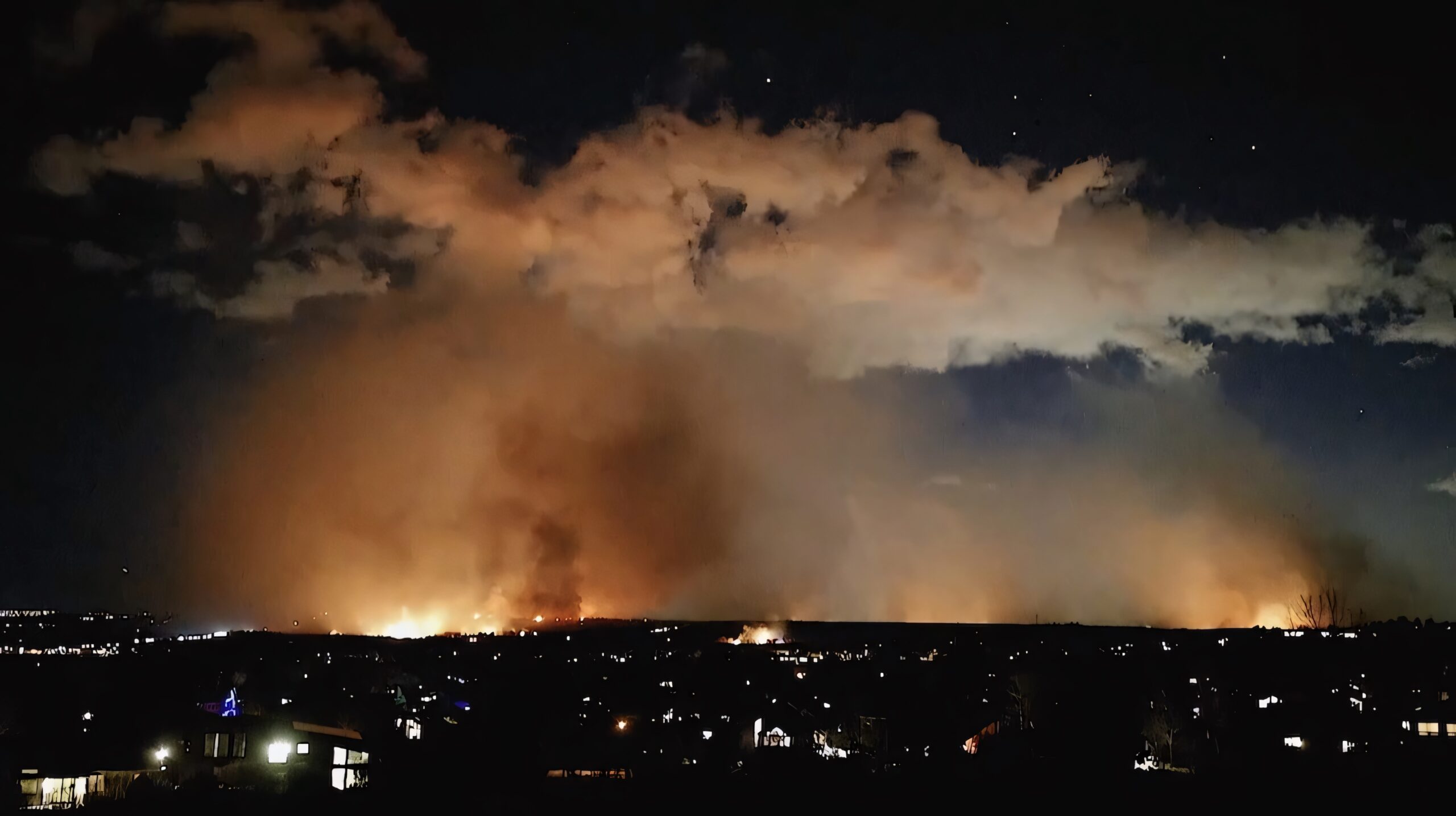
A new report from the Wildland Fire Mitigation and Management Commission recommends transformative approaches needed to overcome the wildfire crisis. Read more
-
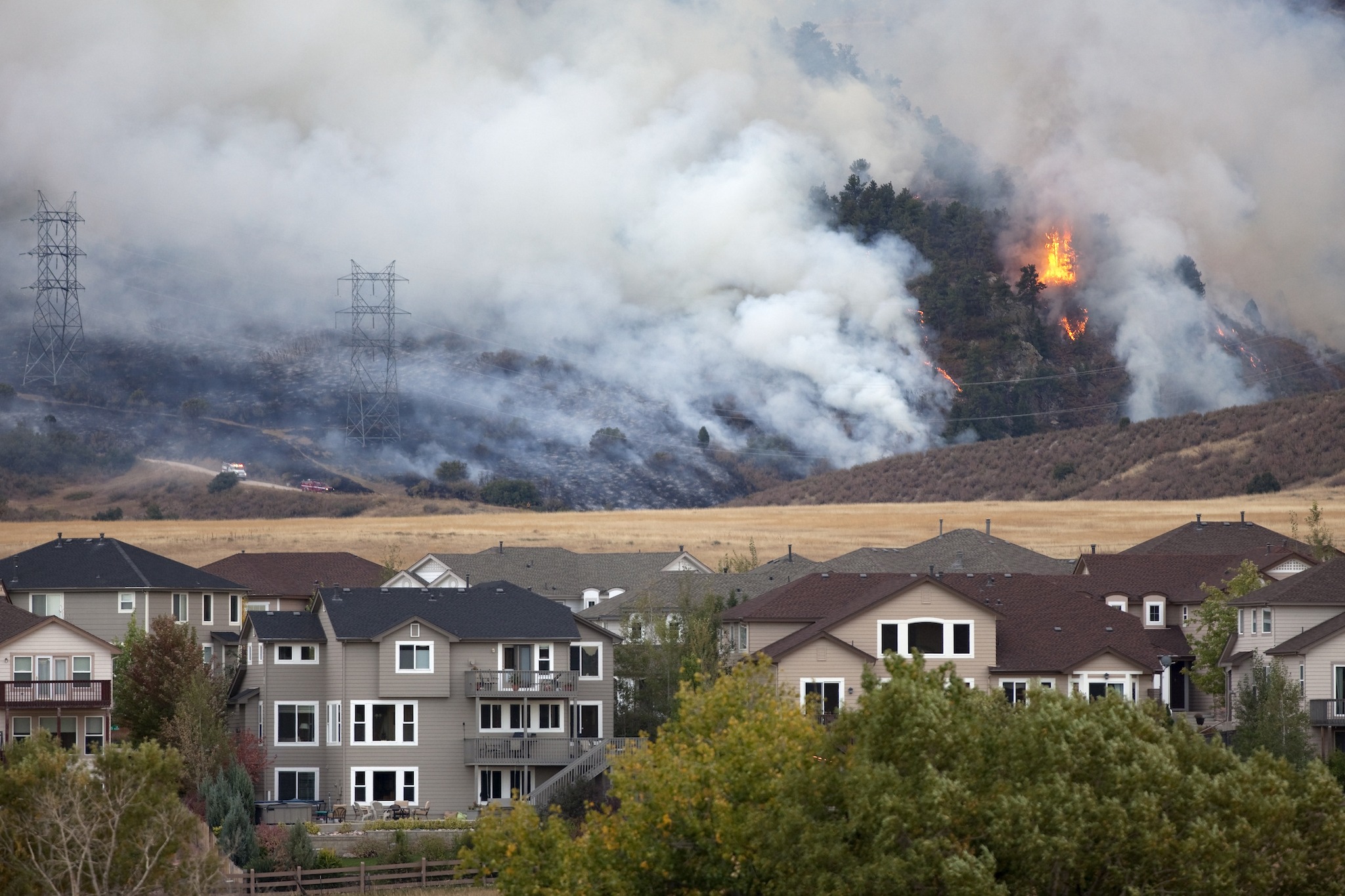
A new analysis shows that managing the built environment is the most effective strategy at reducing wildfire risk to communities, yet it receives the least funding and policy support. Read more
-
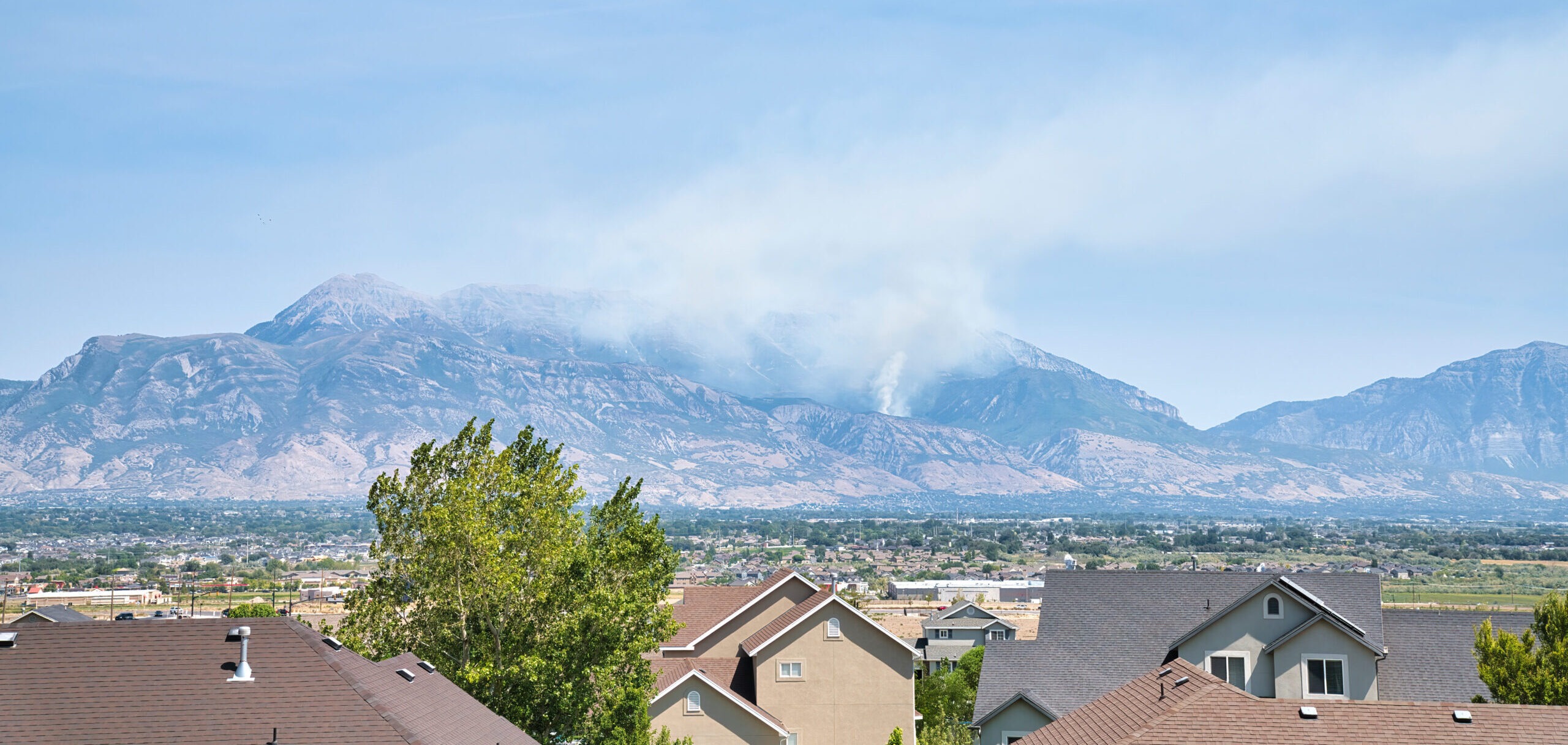
An independent analysis by Headwaters Economics shows that the first round of funding from the Community Wildfire Defense Grant program prioritized high-risk, low-income communities. Read more
-
In this video produced by Headwaters Economics, homeowner Brodey Simkins describes the tragedy of losing his home to wildfire and his commitment to rebuilding with wildfire in mind. Read more
-
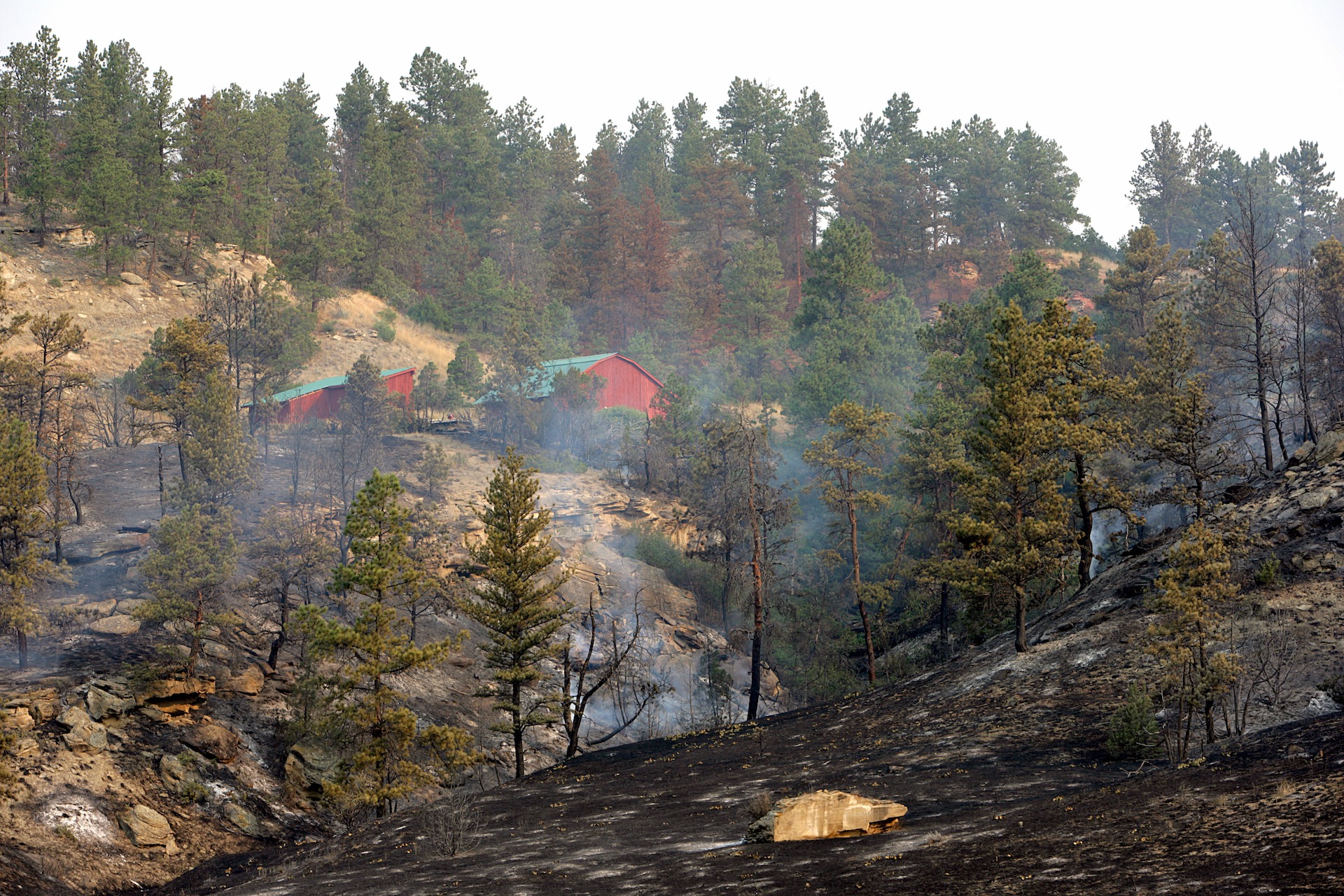
Statewide wildfire safety standards are proven and cost effective. Montana can adopt standards to help make communities safer from increasing wildfire risks. Read more
-

The United States is spending billions of dollars on suppressing wildfires that threaten a growing number of homes, but very little on better preparing communities before a wildfire occurs. Read more
-
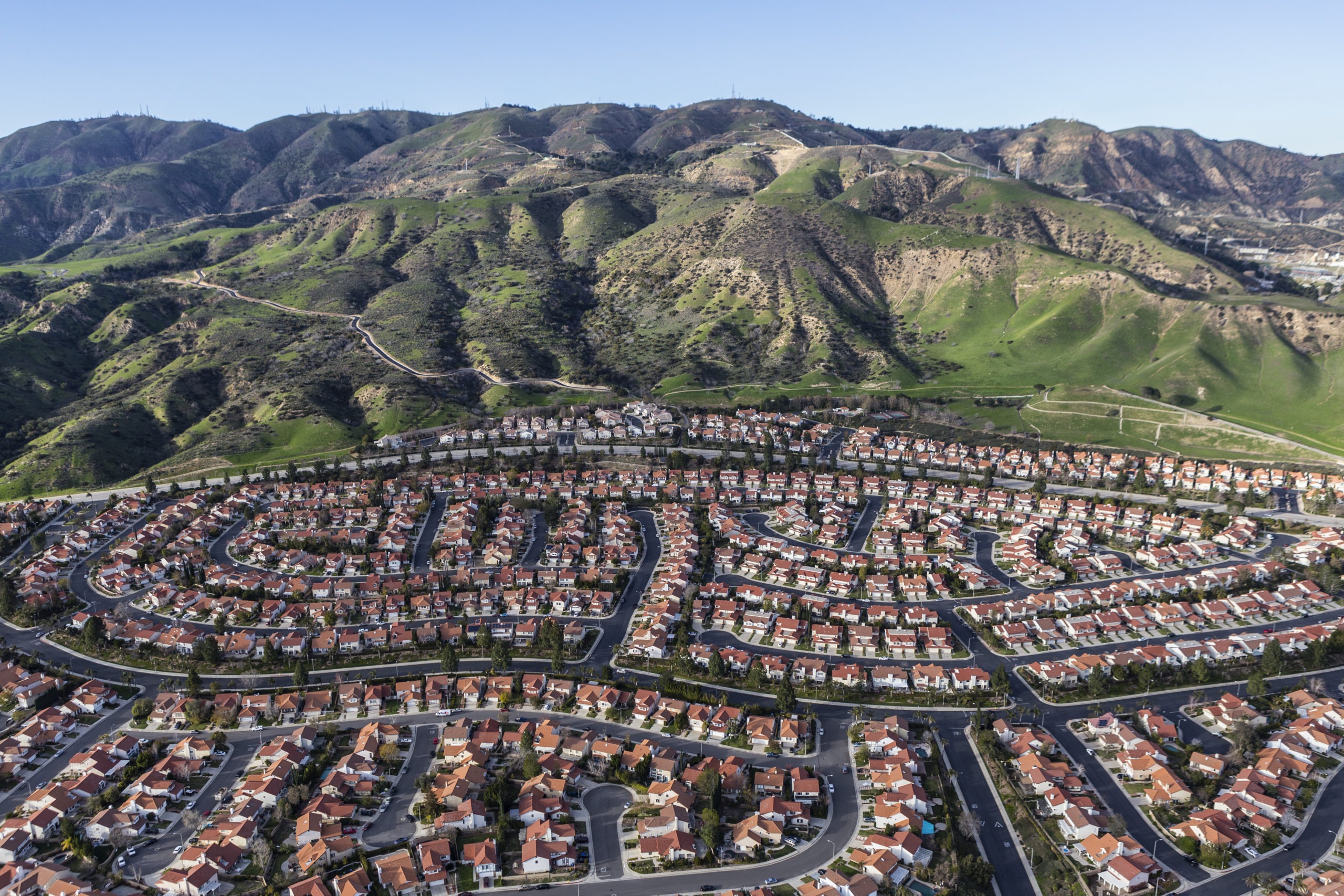
In light of rising wildfire risks, we analyzed the costs of constructing homes to three levels of wildfire resistance in California. Read more
-

At least 1.2 million wood roofs are in areas with wildfire risk. Funding is needed to help communities prepare for wildfire. Read more
-
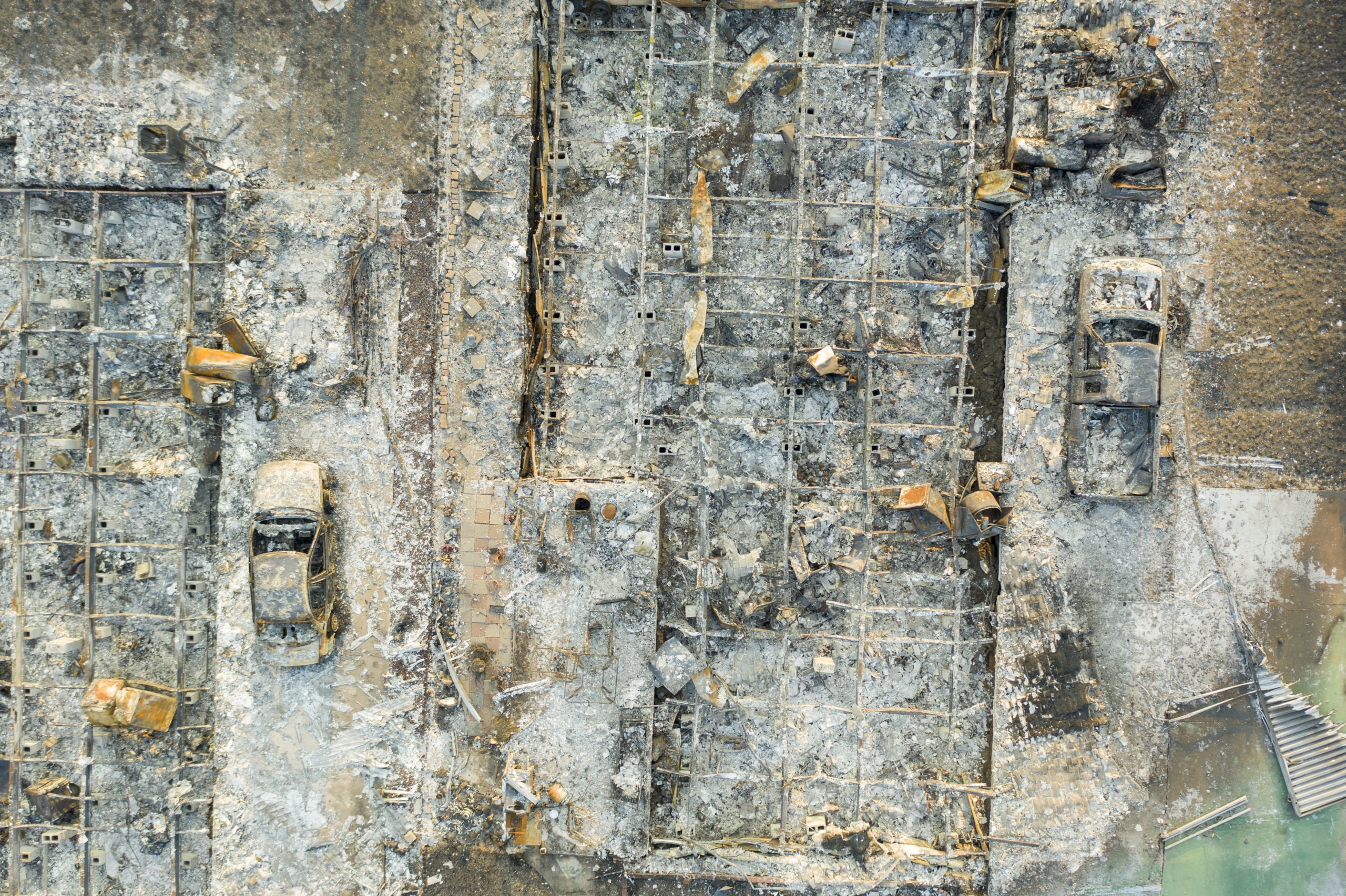
See where wildfire risk intersects social and economic factors that can make it difficult for people to prepare for, respond to, and recover from wildfire. Read more
-
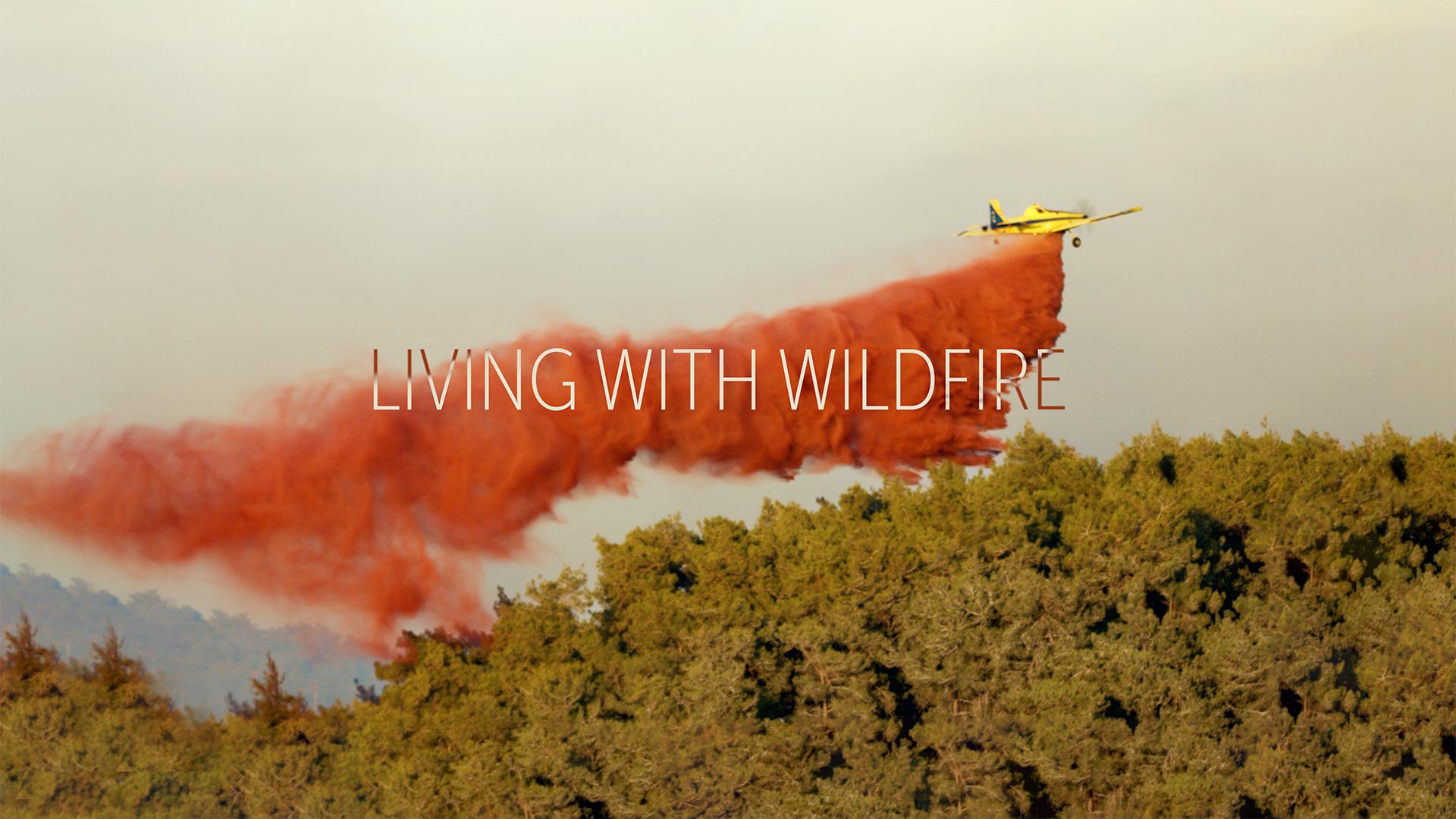
Living with wildfire
ALUMNIWatch “Living with wildfire.” Wildfires are an inescapable and necessary function of healthy ecosystems. In the past decade they have increased in severity and duration, killed more people, and burned more structures. Read more
-
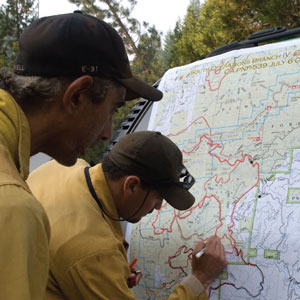
Slide show: The wildland-urban interface is growing and wildfires are causing cause more damage. Land use planning is an important solution. Read more
-
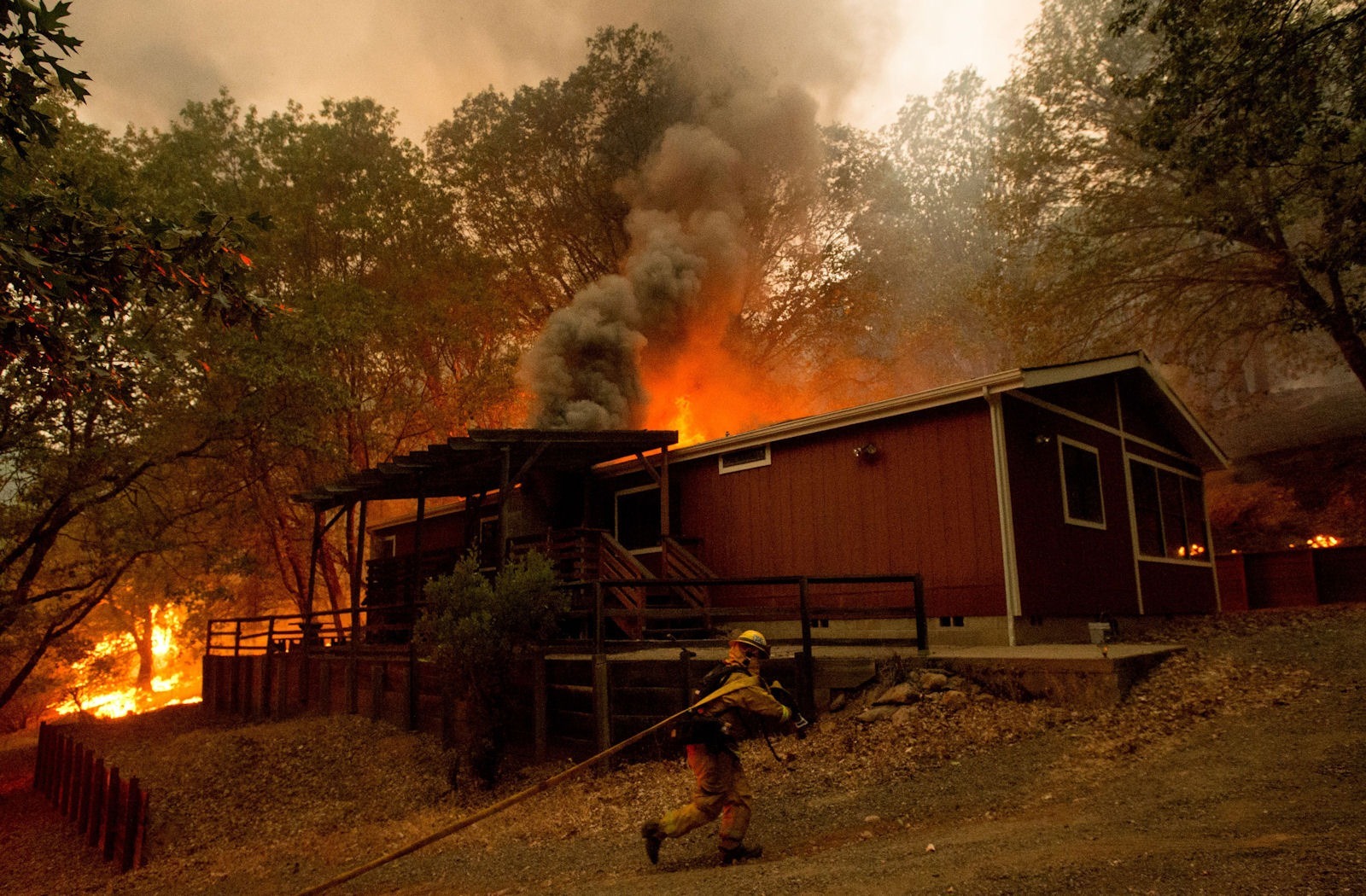
A new report in our Economic Profile System provides community-level data about wildfire hazard and potentially vulnerable populations. Read more
-
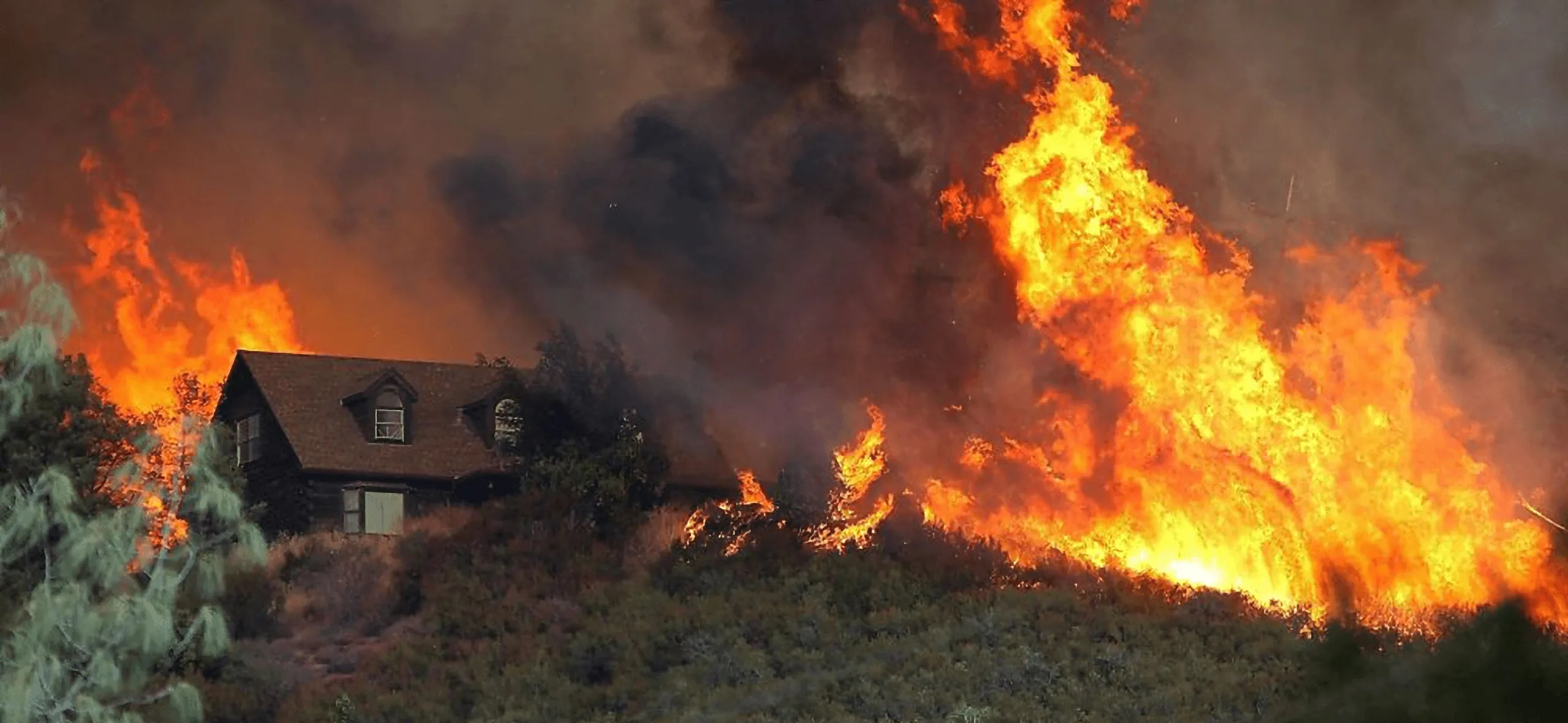
Explore the number of structures destroyed in each state by wildfire. Structures lost—rather than acres burned—provides a more complete measure of the broad impacts of wildfire. Read more
-
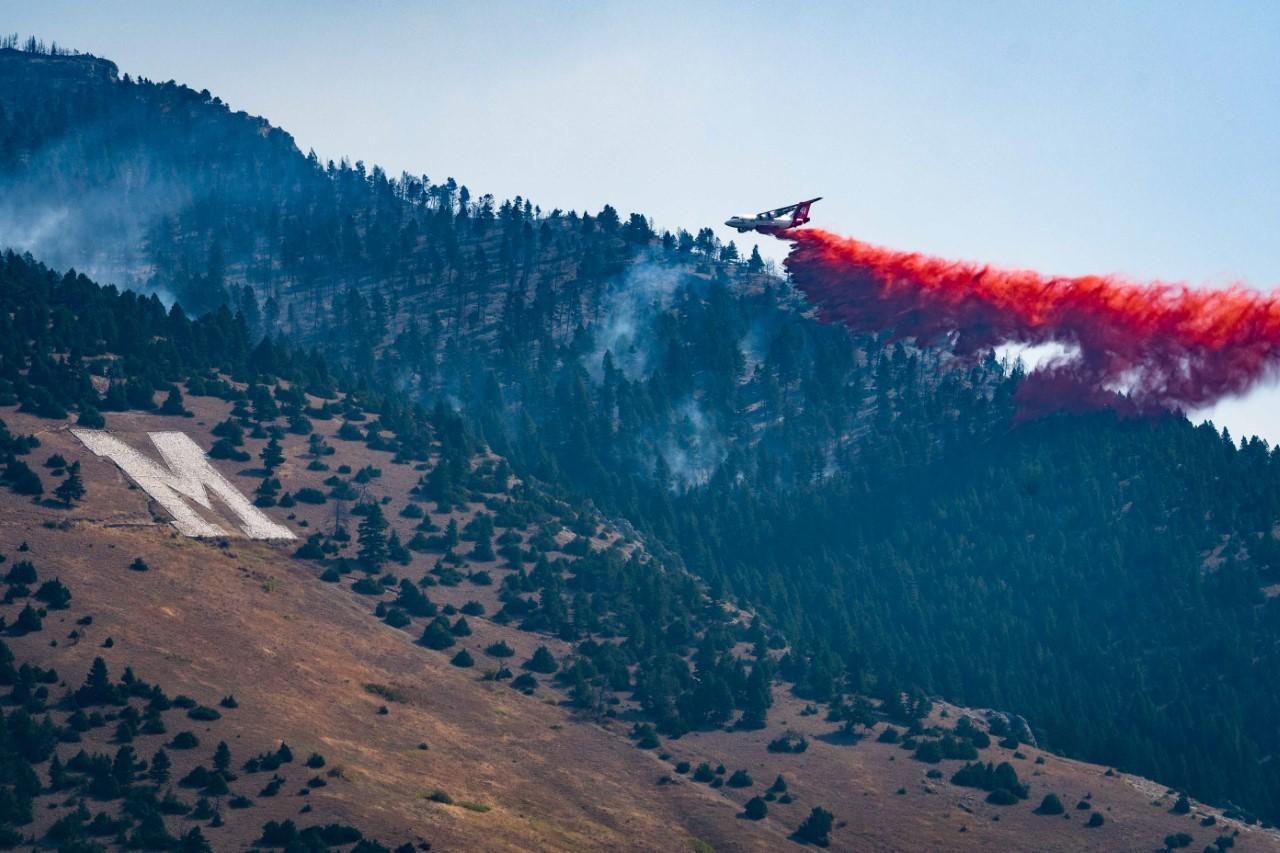
The number of western Montana homes in areas with high wildfire hazard has doubled, outpacing development rates in areas with low wildfire hazard. Read more
-
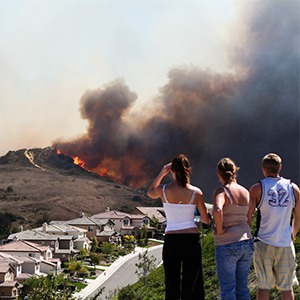
Kimiko Barrett, Ph.D., demonstrates how community resilience to wildfire needs to include planning and adaptation strategies for homes and neighborhoods. Read more
-
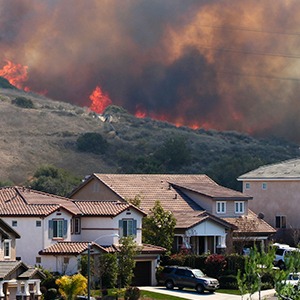
From 2000-2019, nearly 2,000 U.S. communities were threatened by wildfires or potential ember spread, showing the need for adaptive planning strategies. Read more
-
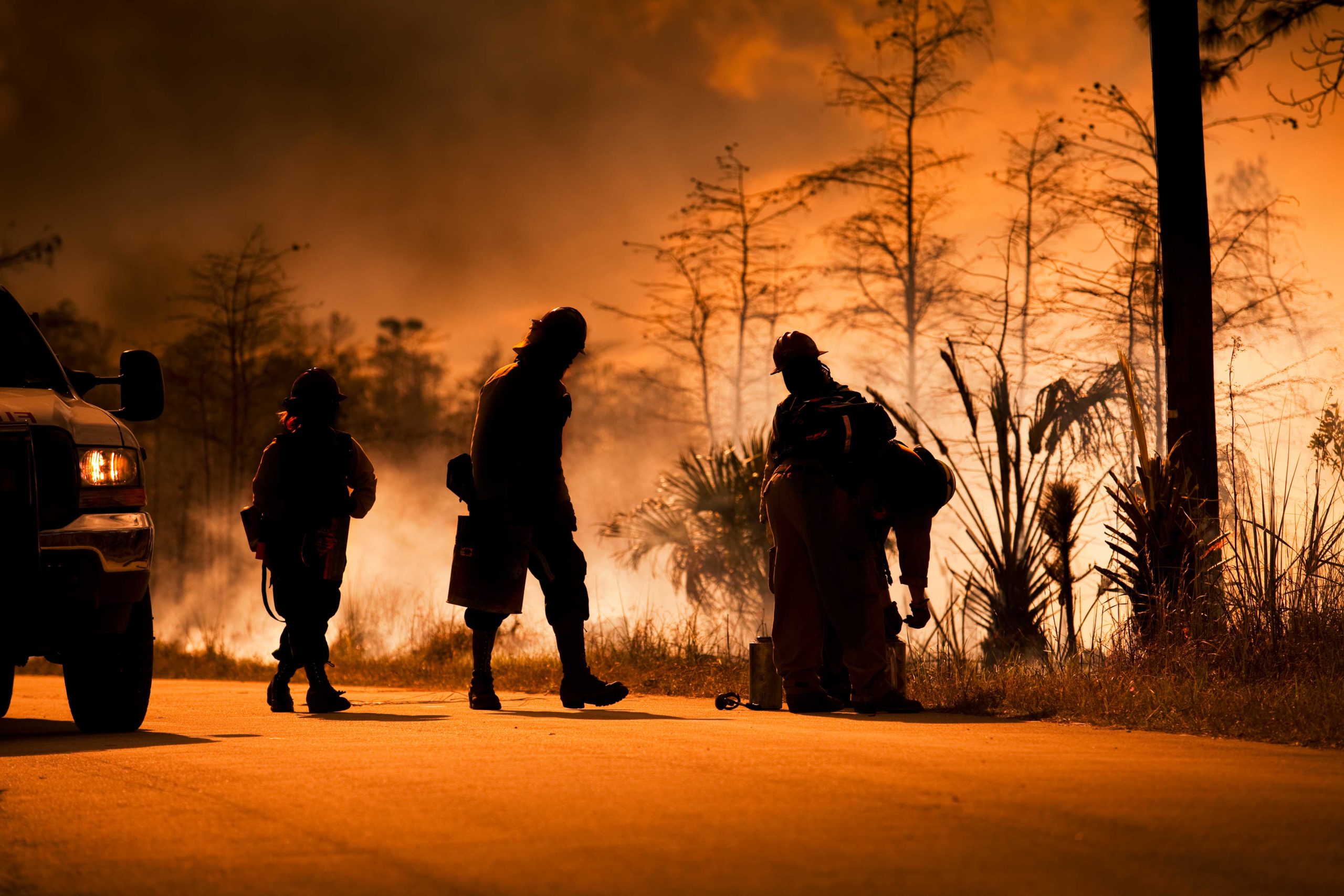
Testimony on wildfires and vulnerable populations to a forum before the House Subcommittee on National Parks, Forests, and Public Lands. Read more
-
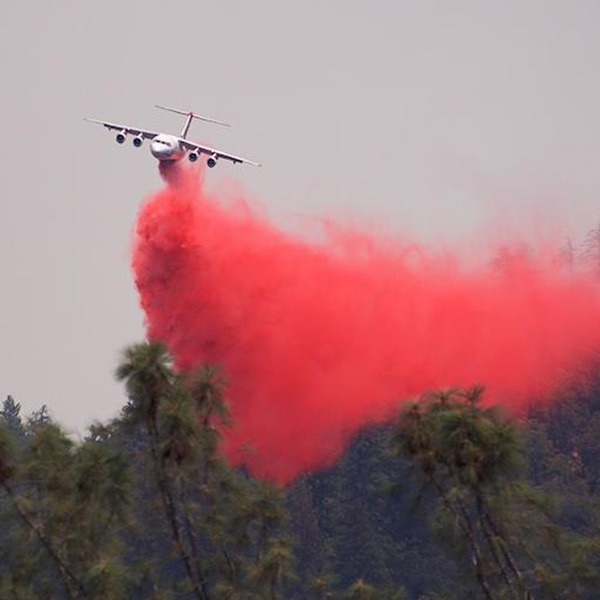
Federal wildfire policy that emphasizes suppression—a legacy of early-1900s forest management—has resulted in a paradox: accumulated fuels and larger, more severe wildfires. Read more
-
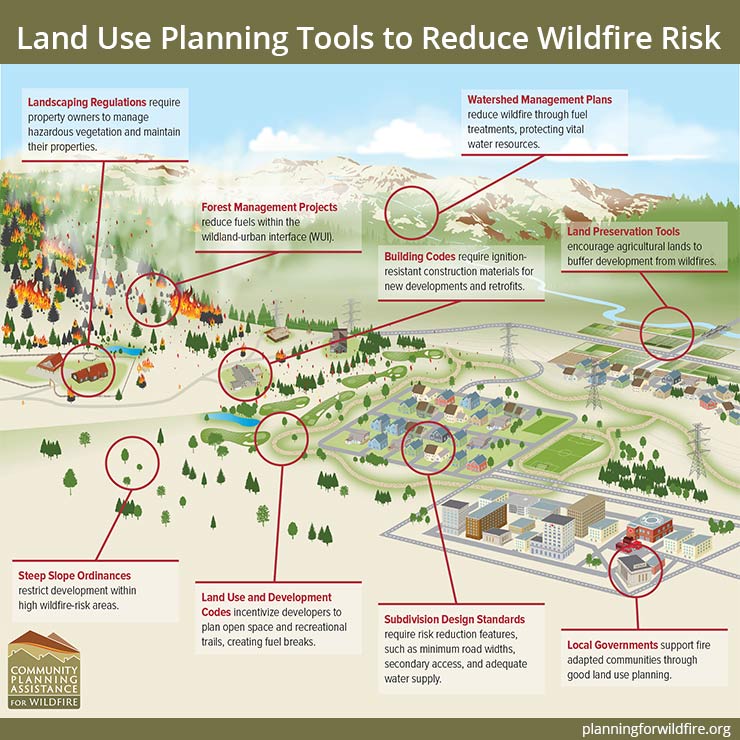
Land use planning can help communities become fire-adapted and resilient in the face of increasing wildfire potential. Read more
-
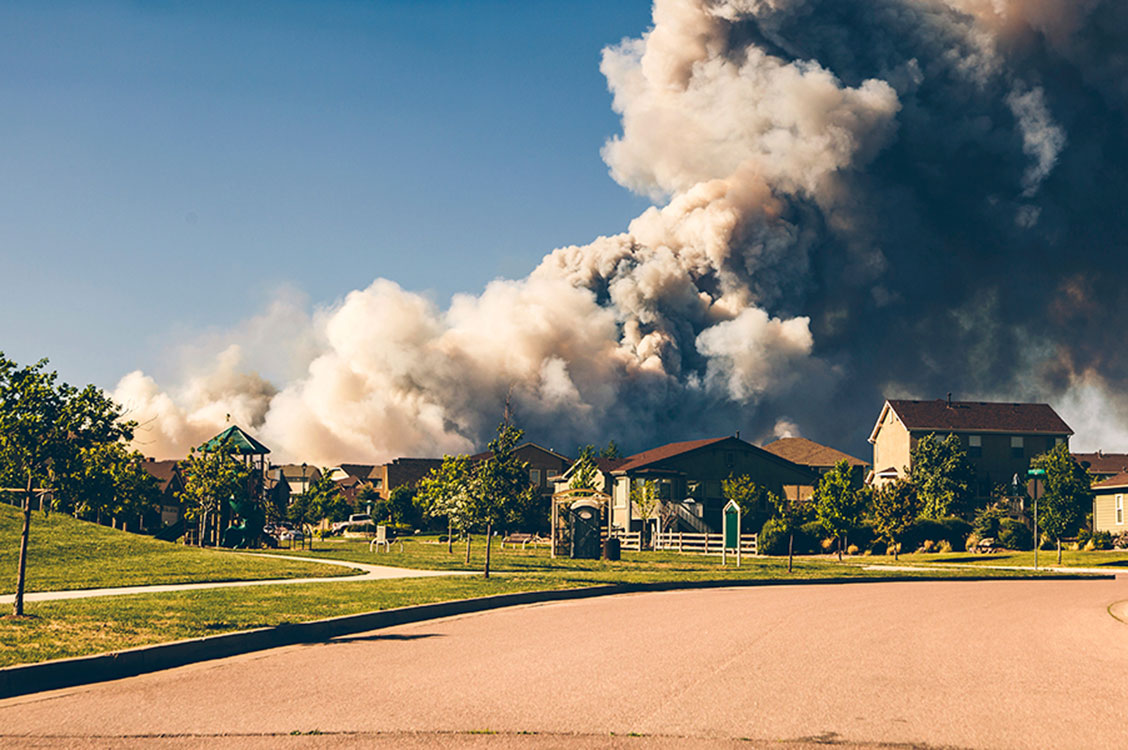
Managing wildfires during a pandemic will test the capacity of our first responders, but individual homeowners can take steps now to reduce wildfire risks. Read more
