-
A rural capacity map
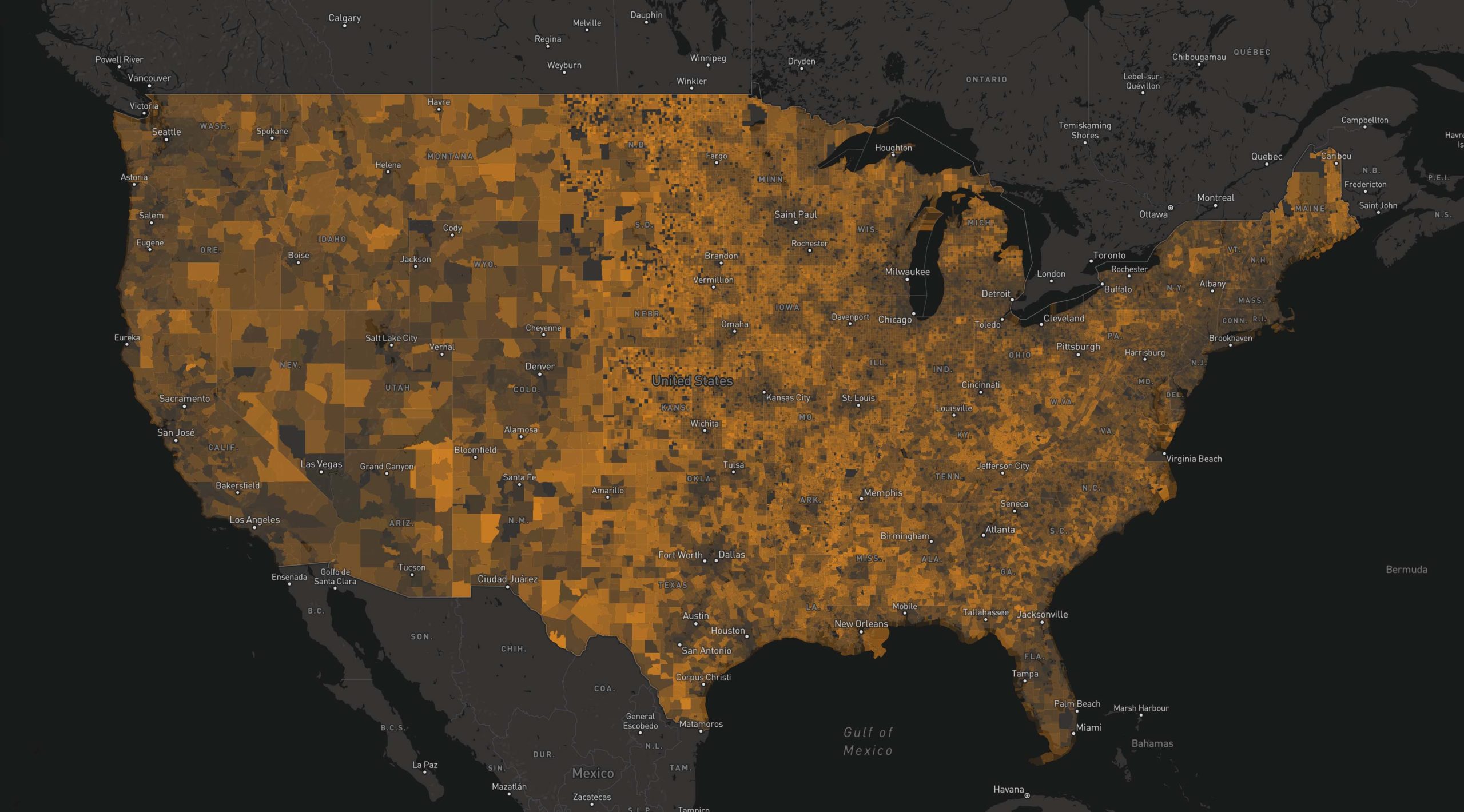
A new map helps identify communities where investments in staffing and expertise are needed to support infrastructure and climate resilience projects.
-
Austin, Texas: Built for Wildfire
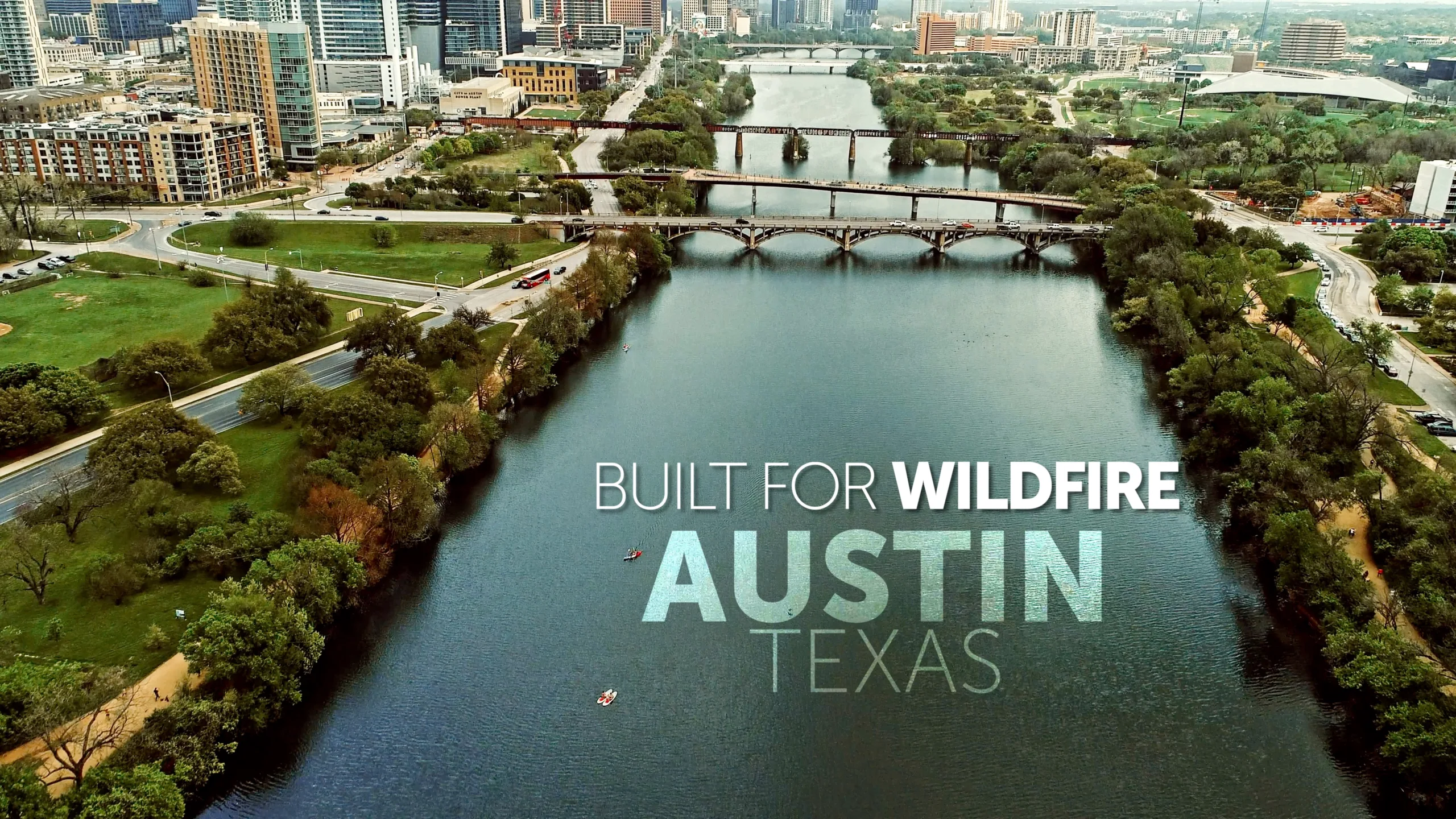
In this ten-minute video produced by Headwaters Economics, learn how leaders in Austin, TX came to realize the magnitude of the wildfire threat, and how they brought together diverse interests to protect their community.
-
The American Community Survey in our data tools

Find the latest American Community Survey data in all of our tools, including the Economic Profile System and Neighborhoods at Risk.
-
Prioritizing people in mobile home park buyouts
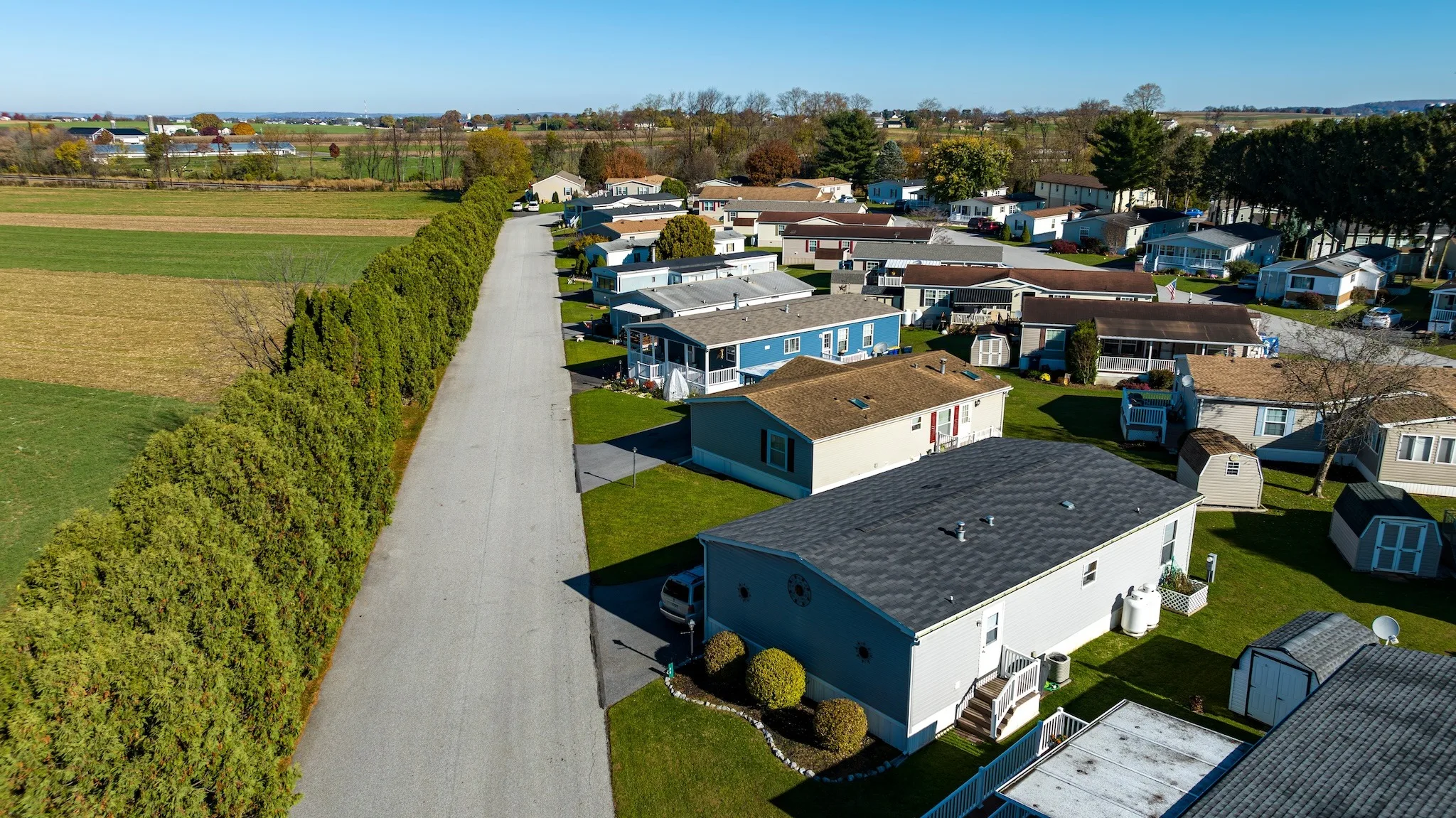
Many mobile home parks face higher flood risk and relocation may be the best option. A review of 12 mobile home park buyout projects illustrates how policy innovation and resident engagement can increase success.
-
Montana Losing Open Space
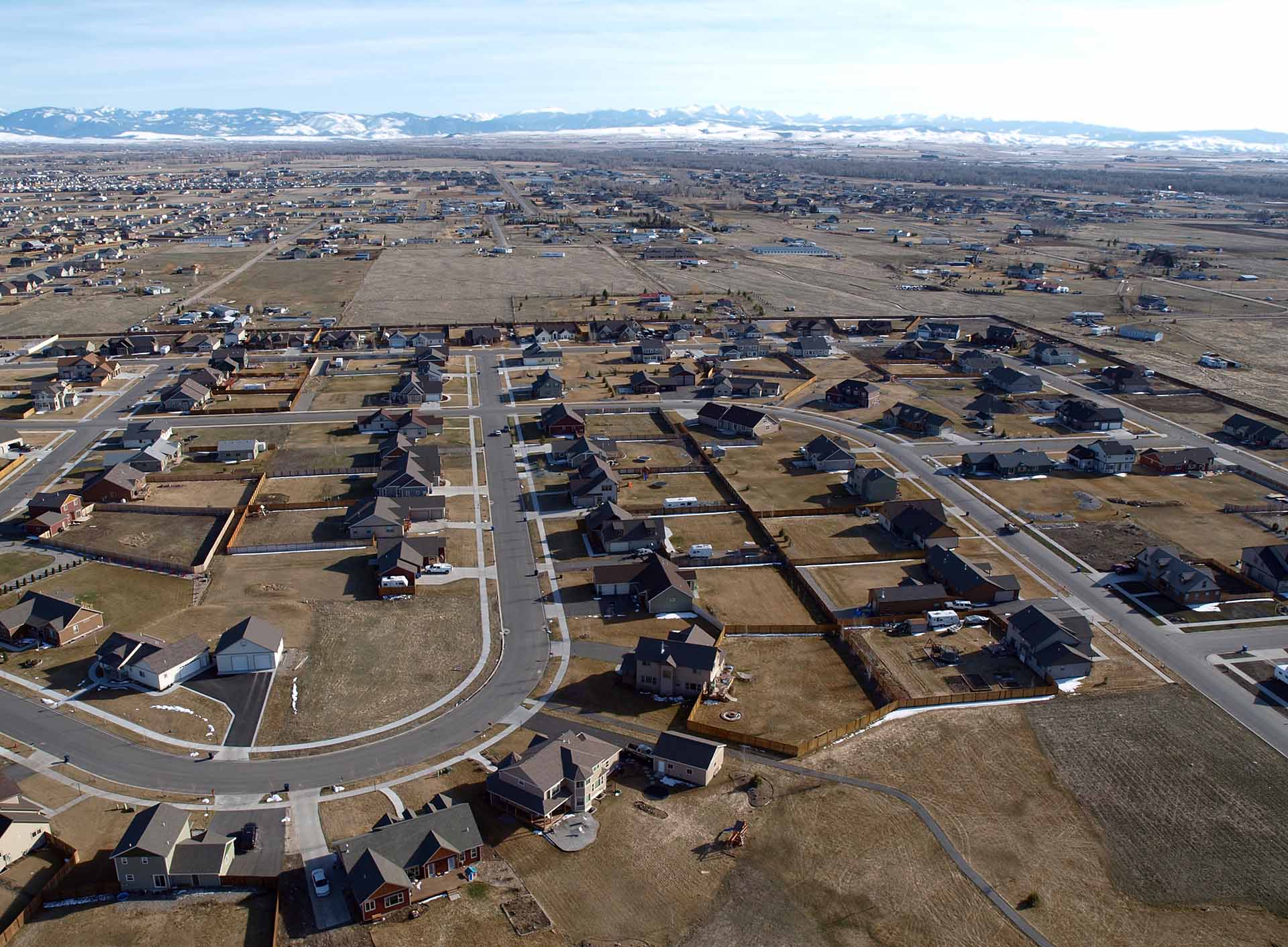
From 2000 to 2021, the number of single-family homes in Montana grew by more than 42 percent, and the popularity of large lots converted 1 million acres of undeveloped land to housing.
-
Conservation leaders have a role in building equitable communities

How we manage population centers is intertwined with our conservation of wild areas. The more we create equitable population centers in places people want to live, the more we can create durable, landscape-scale conservation outcomes outside of towns.
-
Latinos face higher flood risks than other groups
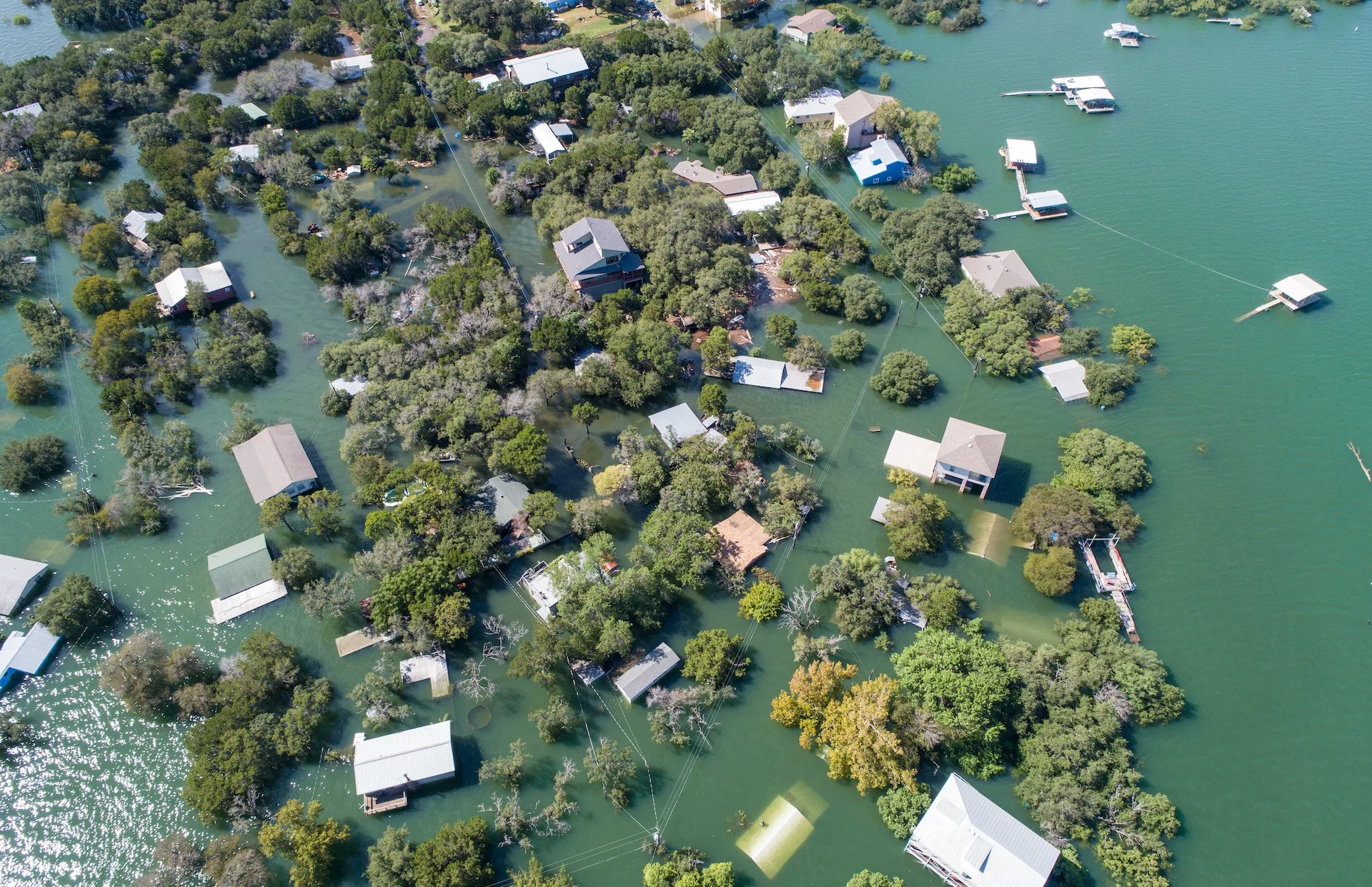
Headwaters Economics and the Hispanic Access Foundation have released a report that shows that 44% of Latinos live in counties with high flood risk, as opposed to 35% of non-Latinos.
-
Los latinos enfrentan mayores riesgos de inundaciones que otros grupos
Headwaters Economics y Hispanic Access Foundation han publicado un reporte que muestra que el 44% de los latinos viven en condados con un alto riesgo de inundaciones, en contraste con el 35% de los no latinos.
-
The unequal impacts of flooding
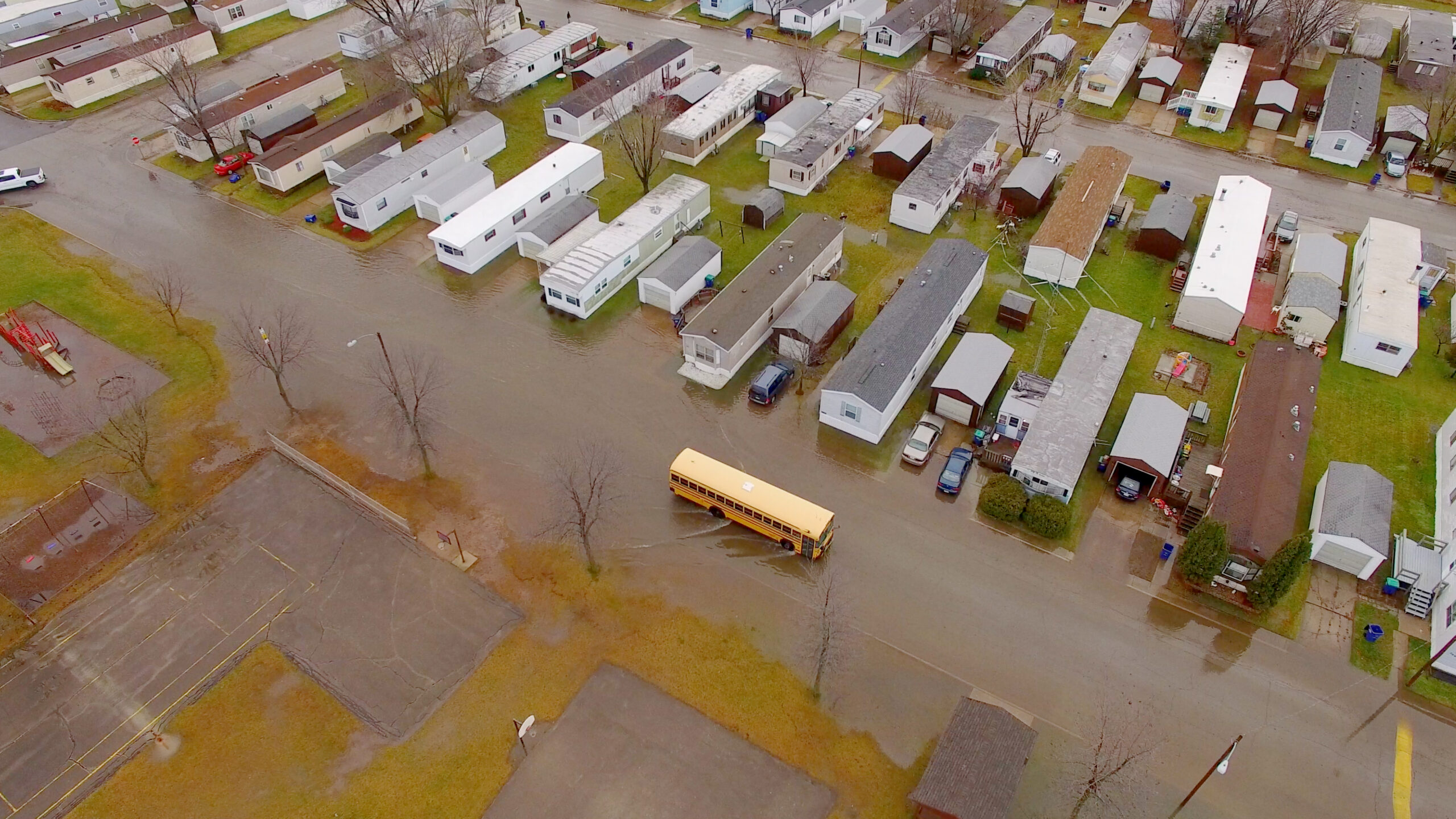
Headwaters Economics has conducted an analysis of flood and socioeconomic data to illustrate where flood risks disproportionality affect vulnerable populations.
-
Congressional wildfire commission lays out a new approach for wildfire policy
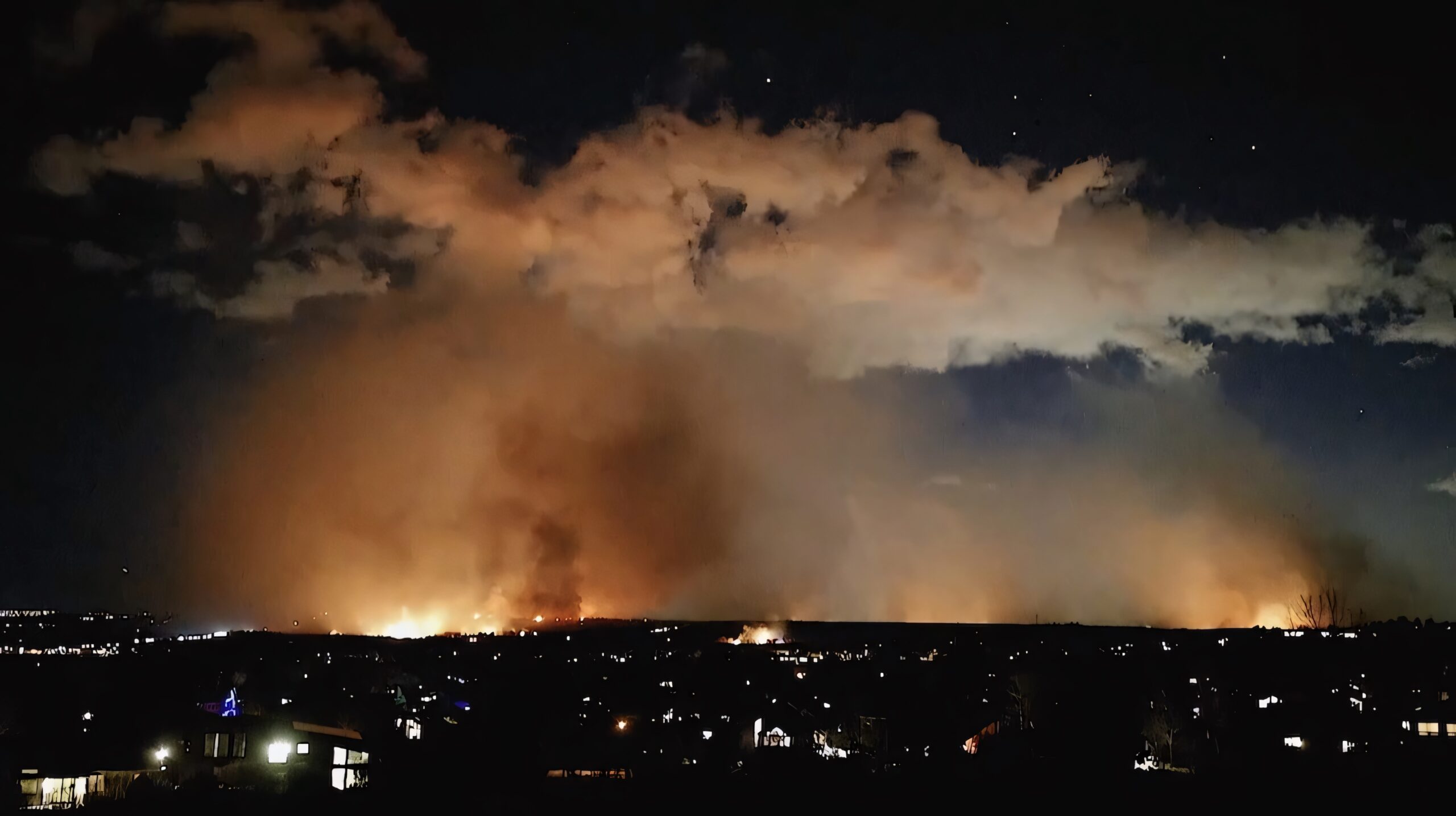
A new report from the Wildland Fire Mitigation and Management Commission recommends transformative approaches needed to overcome the wildfire crisis.
-
FEMA’s BRIC program continues to fund innovative risk reduction – but community capacity limits access
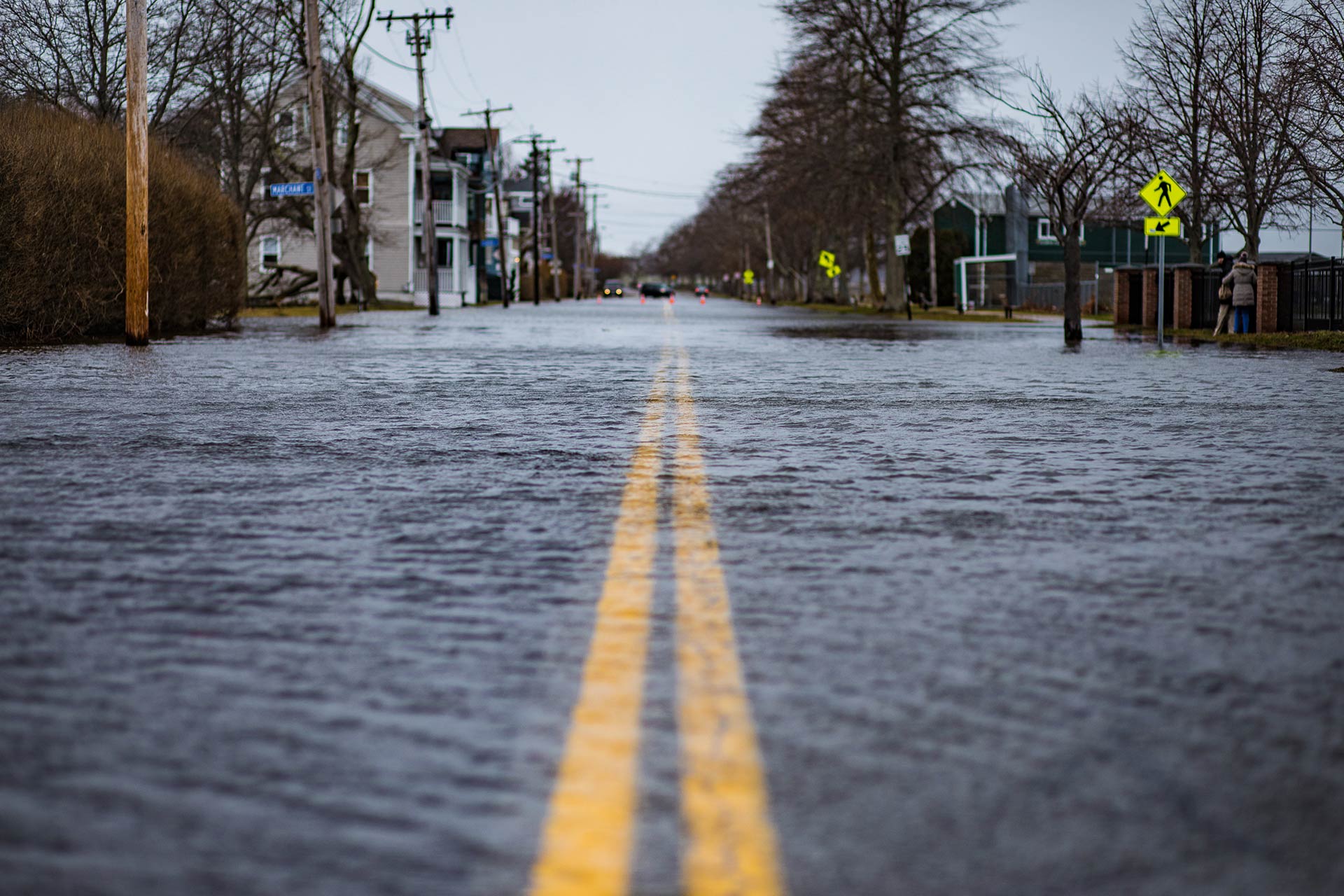
Headwaters Economics has analyzed the latest project selections announced by the Federal Emergency Management Agency for its Building Resilient Infrastructure and Communities (BRIC) grant program.
-
New ways to measure trail use could transform how outdoor recreation is developed and managed

Better data is needed to measure recreational use on public lands. New, accurate methods are being pioneered in Montana’s Bridger Mountains.
-
Building the outdoor recreation economy in natural resource-dependent communities

Lessons from communities dependent on natural resource extraction that have successfully diversified their economies with outdoor recreation.
-
Missing the mark: Effectiveness and funding in community wildfire risk reduction
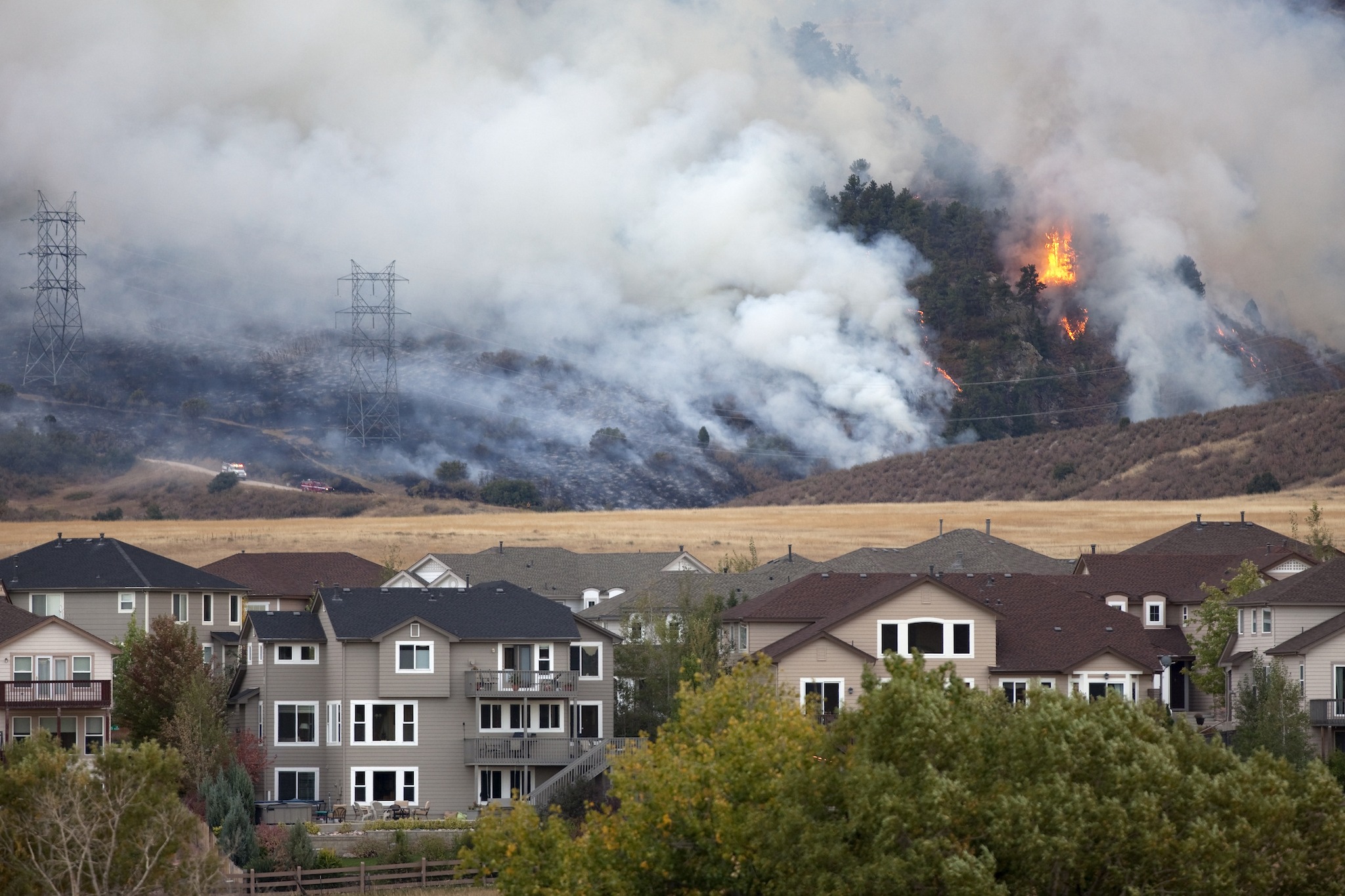
A new analysis shows that managing the built environment is the most effective strategy at reducing wildfire risk to communities, yet it receives the least funding and policy support.
-
Analysis of the first round of Community Wildfire Defense Grants
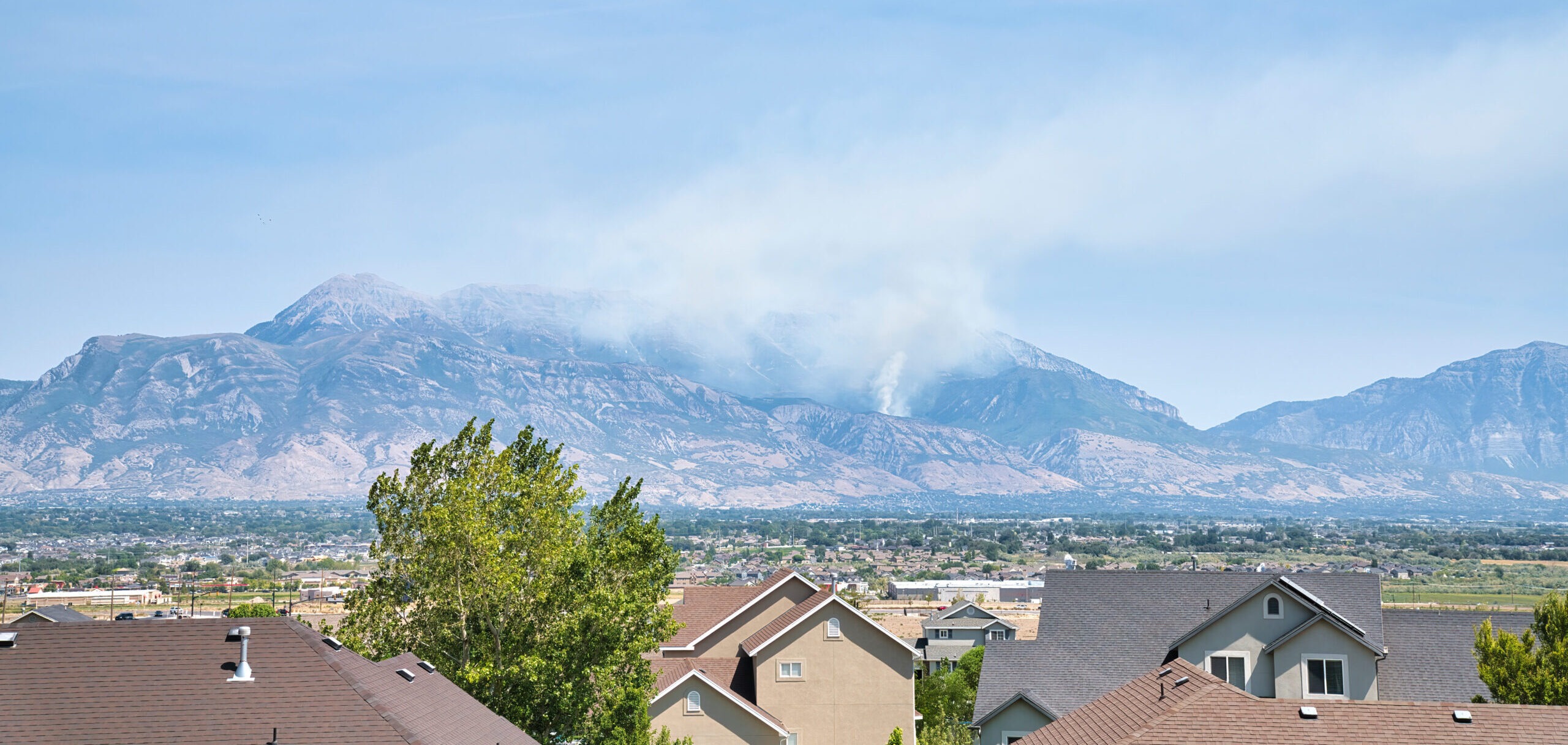
An independent analysis by Headwaters Economics shows that the first round of funding from the Community Wildfire Defense Grant program prioritized high-risk, low-income communities.
-
Decreasing flood risk in the Midwest with regional collaborations
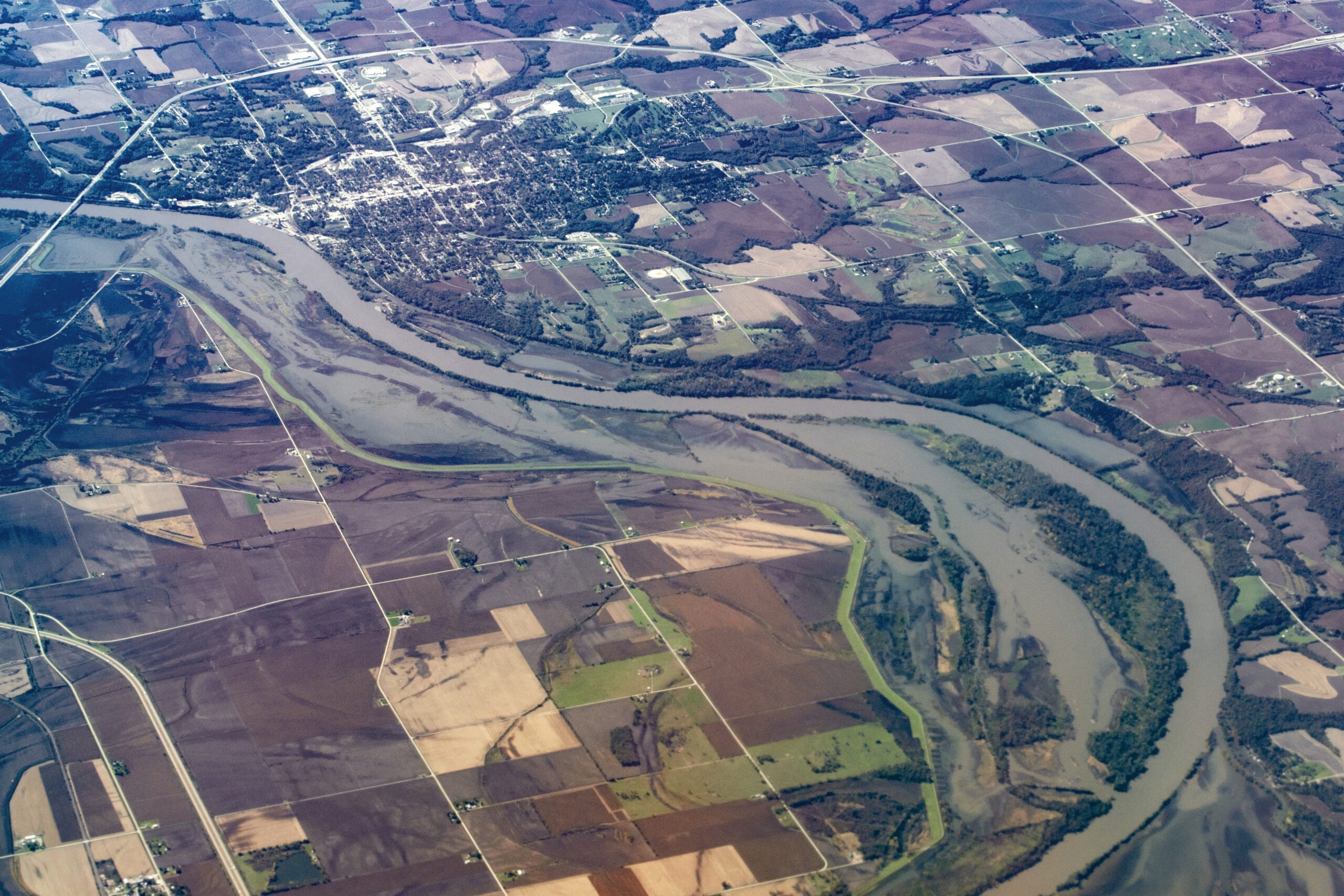
A regional approach to flood risk can help communities pool resources and implement effective solutions. Five case studies offer lessons.
-
The Amenity Trap: How high-amenity communities can avoid being loved to death

Amenity communities face unique challenges from waves of tourists and new residents. Proactive planning can help avoid being loved to death.
-
Building for wildfire
In this video produced by Headwaters Economics, homeowner Brodey Simkins describes the tragedy of losing his home to wildfire and his commitment to rebuilding with wildfire in mind.
-
Wildfire safety standards for Montana
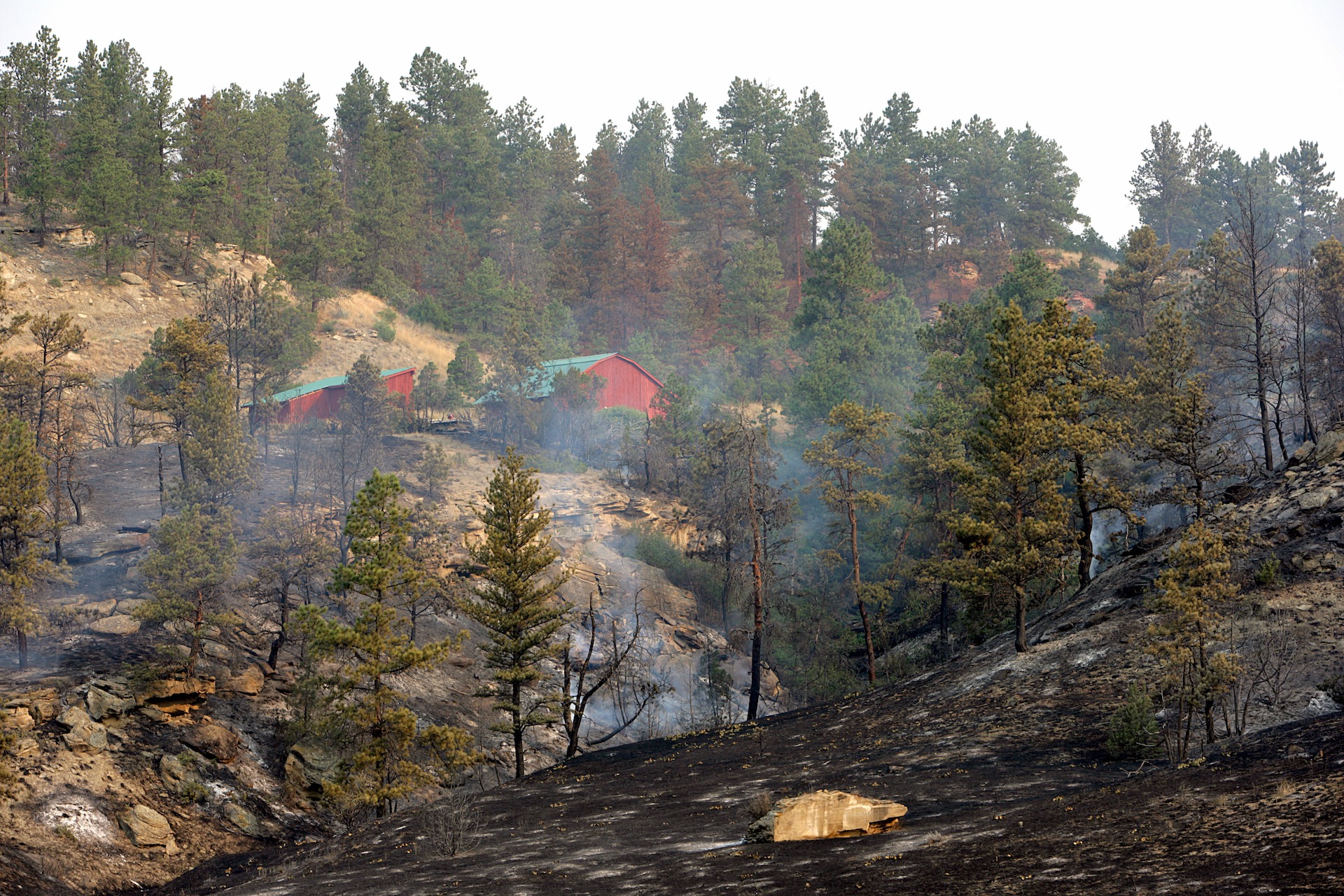
Statewide wildfire safety standards are proven and cost effective. Montana can adopt standards to help make communities safer from increasing wildfire risks.
-
Match requirements prevent rural and low-capacity communities from accessing climate resilience funding

Many federal grant programs require communities to provide a local match, creating barriers for rural and underserved places.
