-
Extreme heat is not just an urban threat: The risk to rural communities

Extreme heat poses health risks to millions of rural Americans. Solutions need to be tailored to meet the unique characteristics of rural places.
-
Housing on public lands will be limited by wildfire risk and development challenges

Federal public lands may offer opportunities to improve housing affordability in a limited number of states, but will face significant barriers from wildfire risk, water availability, and conflicts with existing resource or recreation uses.
-
Crossover landscaping can enhance wildfire resistance and save water
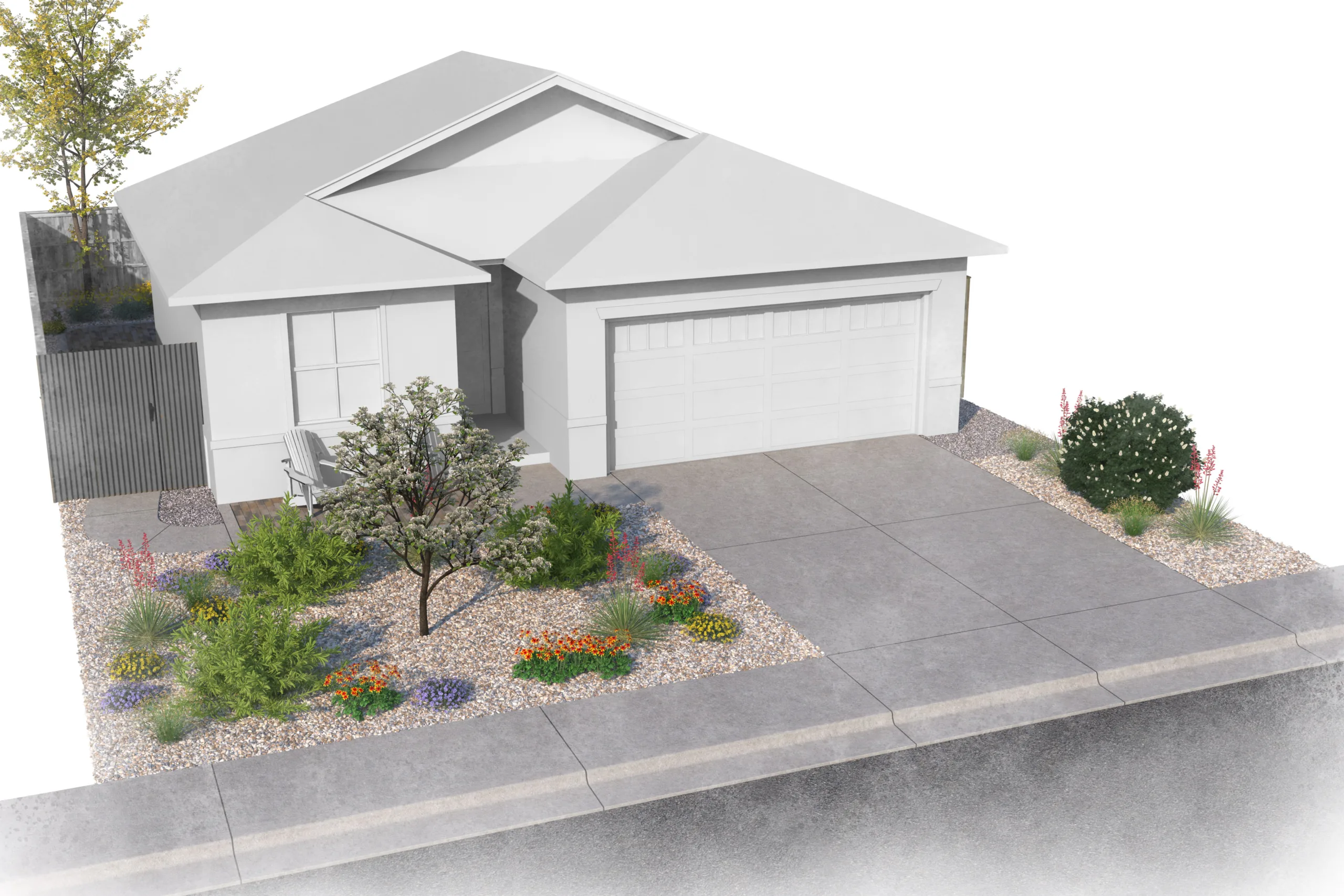
Crossover landscaping that does double-duty for drought and wildfire resistance is becoming more appealing for communities looking to reduce risk in residential areas.
-
Montana Community Foundation leverages data to reach more rural and Tribal communities

Using resources such as the Rural Capacity Index, the Montana Community Foundation was able to direct more grant dollars to rural, disadvantaged communities.
-
America’s urban wildfire crisis: More than 1,100 communities at risk
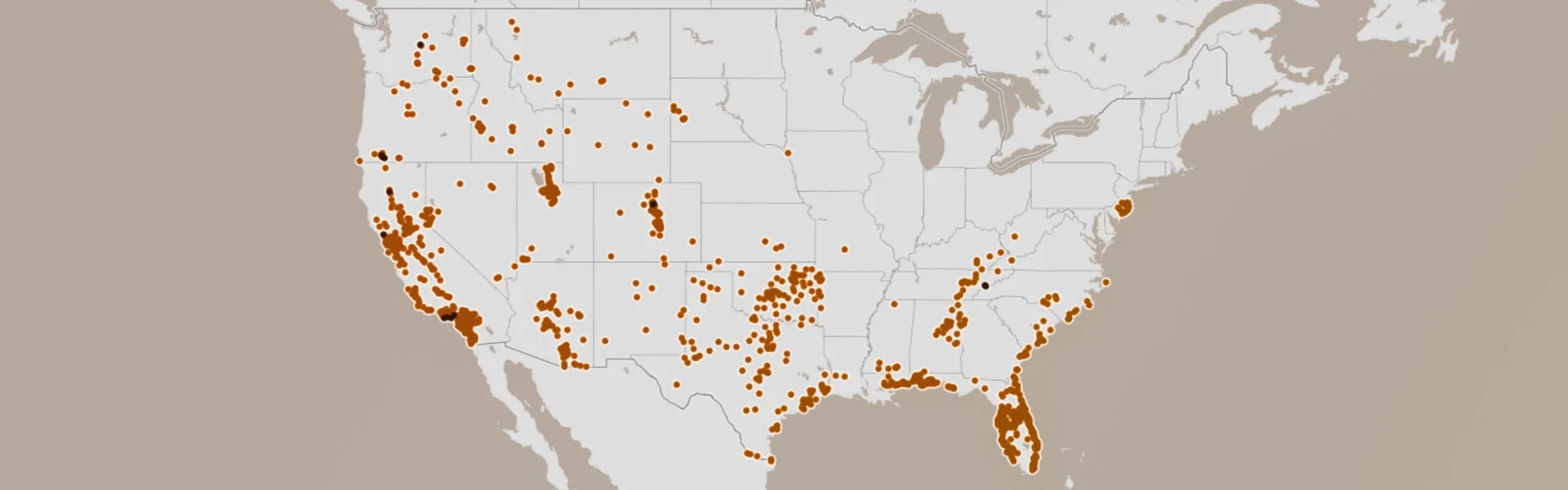
More than 1,100 communities in 32 states face similar risks to Los Angeles and other places with recent urban wildfires, highlighting the urgent need for wildfire-resistant homes and neighborhoods.
-
Three trends showcase the strength of the outdoor recreation economy

Ten years of data show the outdoor recreation economy has grown in nearly all states and is helping drive economic diversification and workforce development.
-
Community Wildfire Defense Grants benefit rural and low-capacity communities
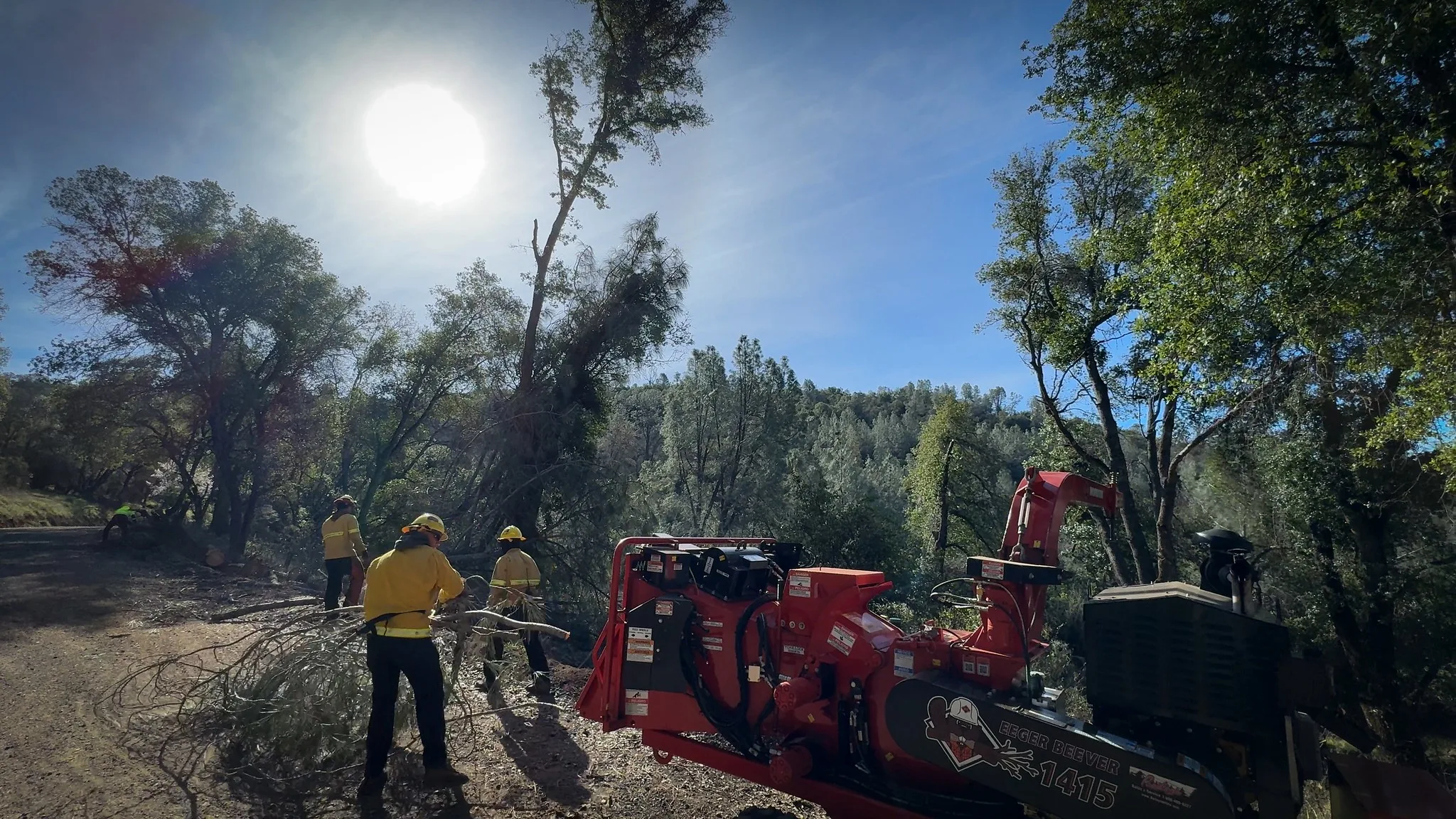
A Forest Service program is helping communities across the nation reduce wildfire risk—including those that don’t normally have the resources to successfully compete for federal grants.
-
Cascading wildfire insurance issues impact local and state budgets
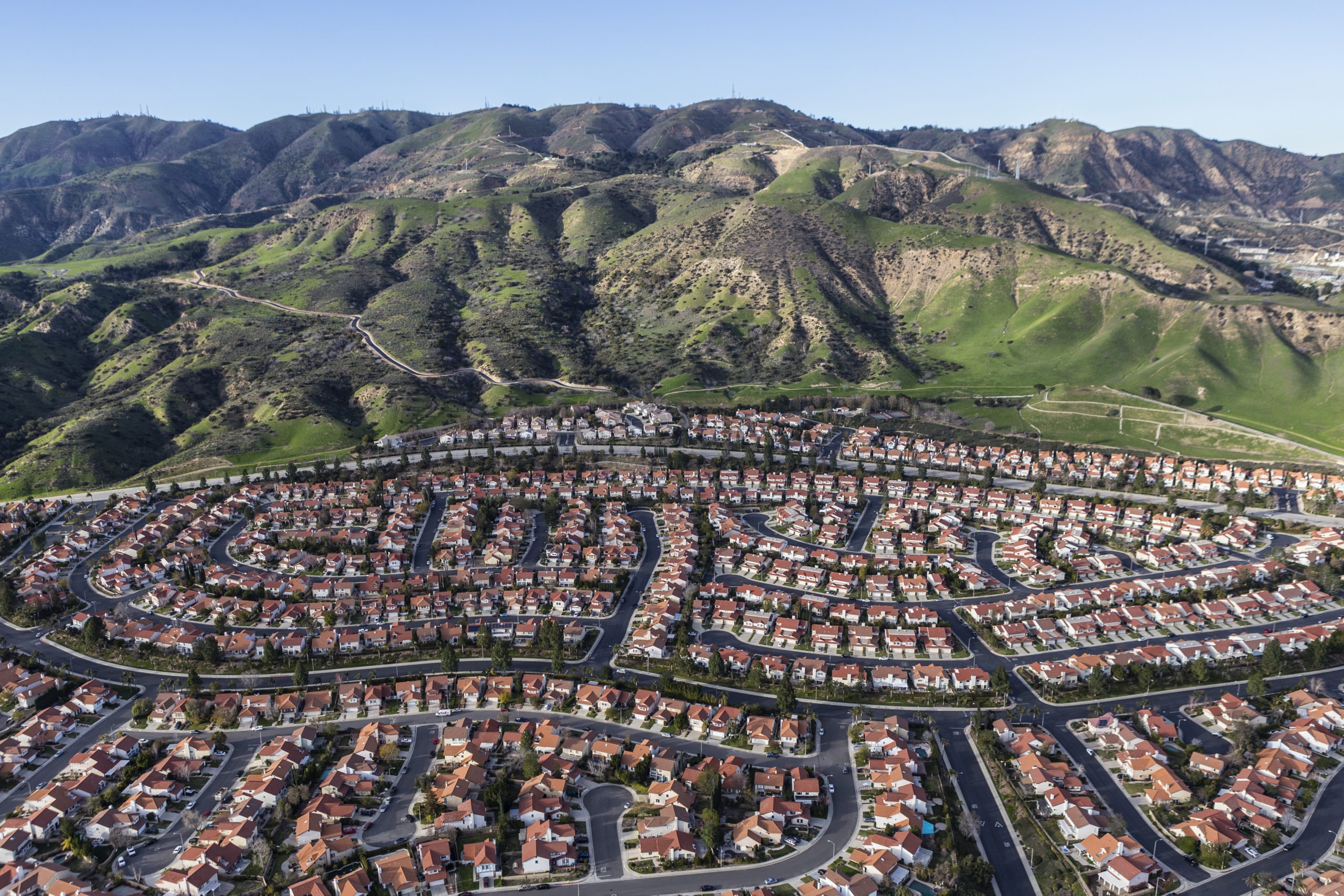
As home insurance in areas with high wildfire risk becomes more expensive and harder to obtain, significant pressure is put on state and local budgets.
-
The economic future of outdoor recreation in New Mexico’s Cibola and McKinley counties

New modeling of trail use in Cibola and McKinley counties, New Mexico has identified more than $1.7 million in visitor contributions to the local economy each year.
-
Future-proofing the outdoor recreation economy

Many outdoor recreation communities face outsized wildfire and flood risks. They must prioritize updating infrastructure, community planning, and emergency response.
-
How destination management organizations can balance the amenity trap

Headwaters Economics worked with leaders in Bend, Oregon to identify strategies that can help ensure the city’s appeal for both tourism and long-term livability.
-
Reinvesting in rural America

Reversing the legacy of rural disinvestment—and deliberately designing solutions for rural America—is a down payment on our shared future.
-
Economic Impact of National Parks
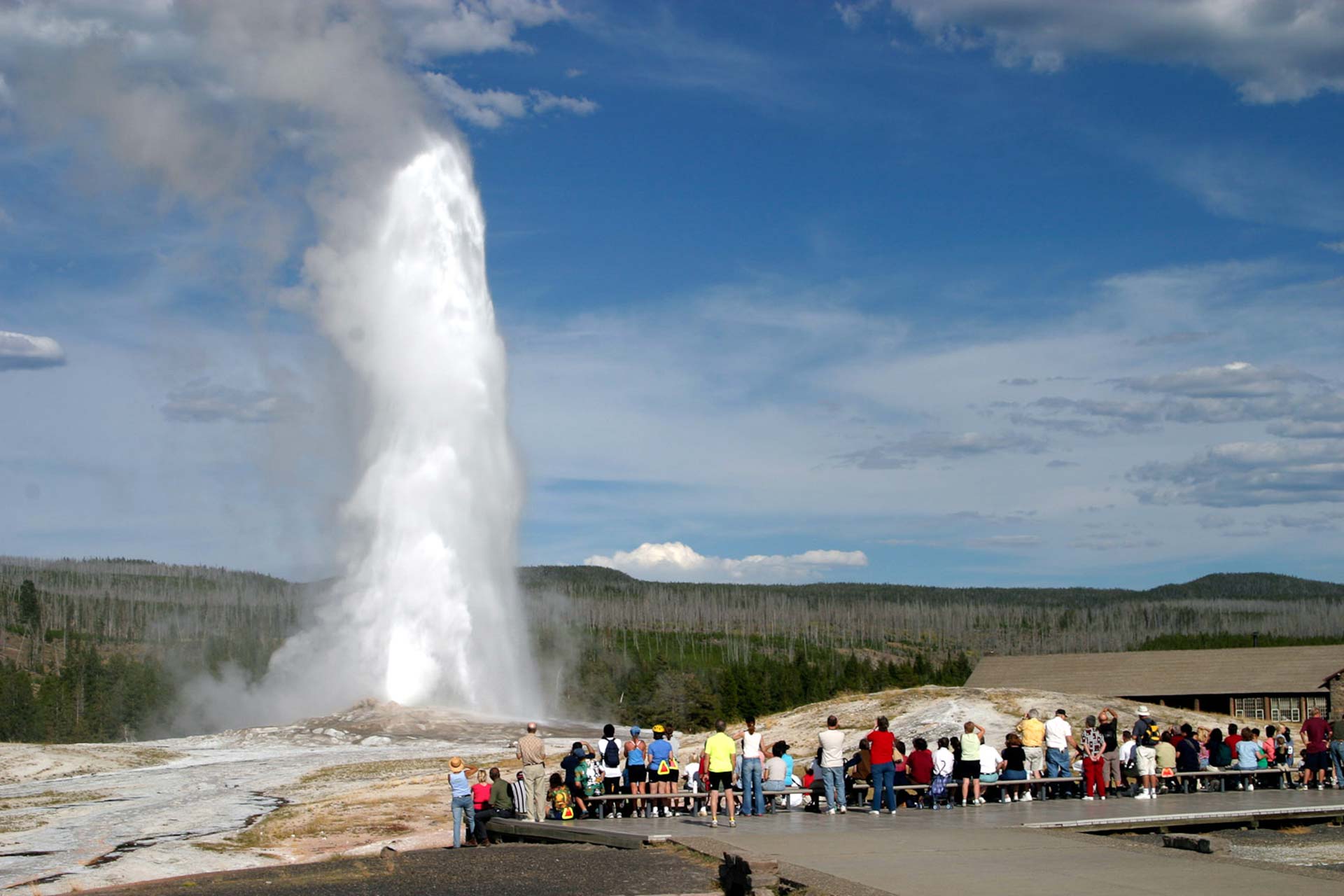
Millions of national park visitors generate economic opportunities for gateway communities, spending money that creates jobs and income. See the trends for every national park service unit.
-
Rising demand for FEMA’s BRIC program far exceeds available funding
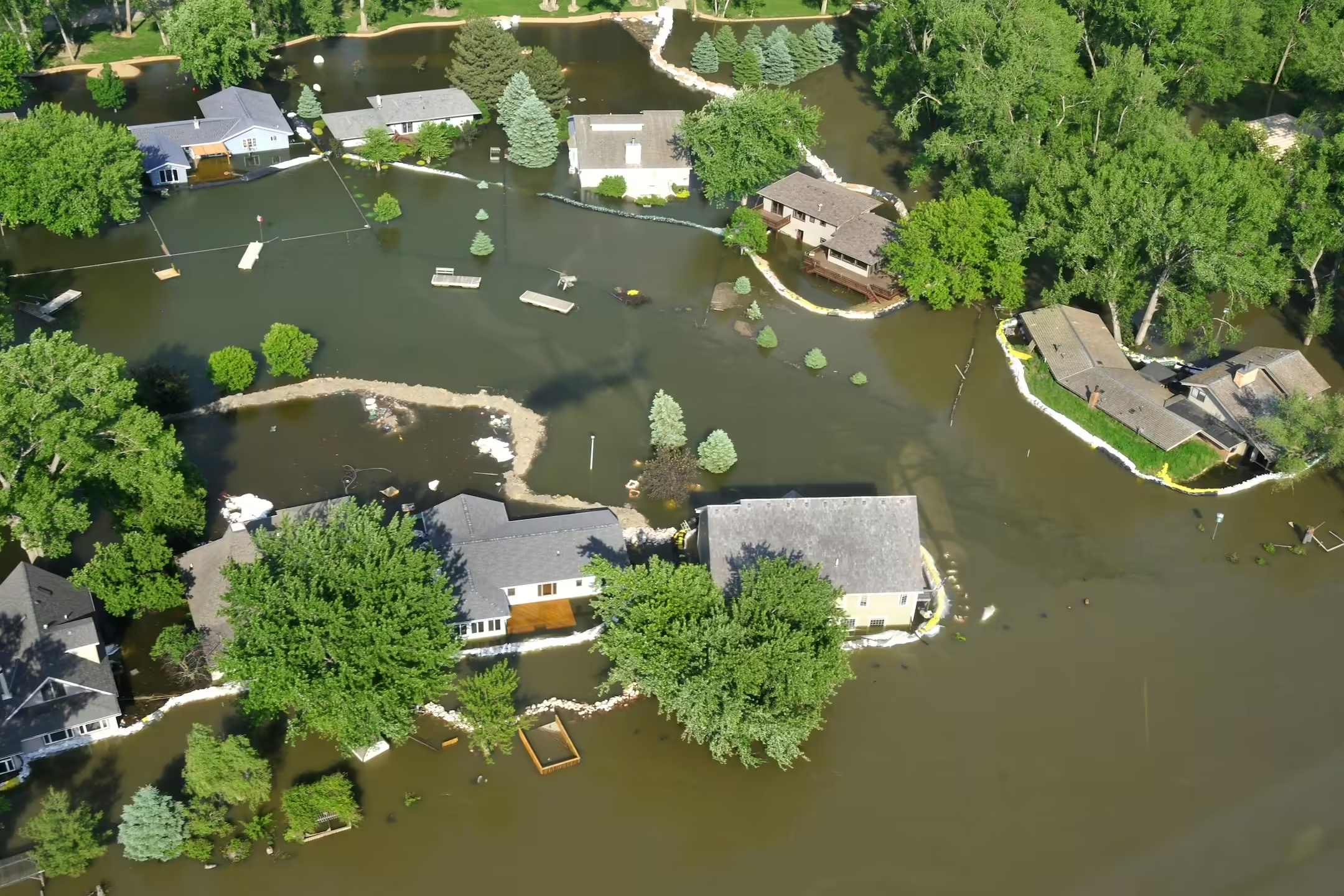
An analysis of FEMA’s BRIC program for climate adaptation and disaster resilience funding shows rising demand, but unequal access.
-
The cost of retrofitting a home for wildfire resistance
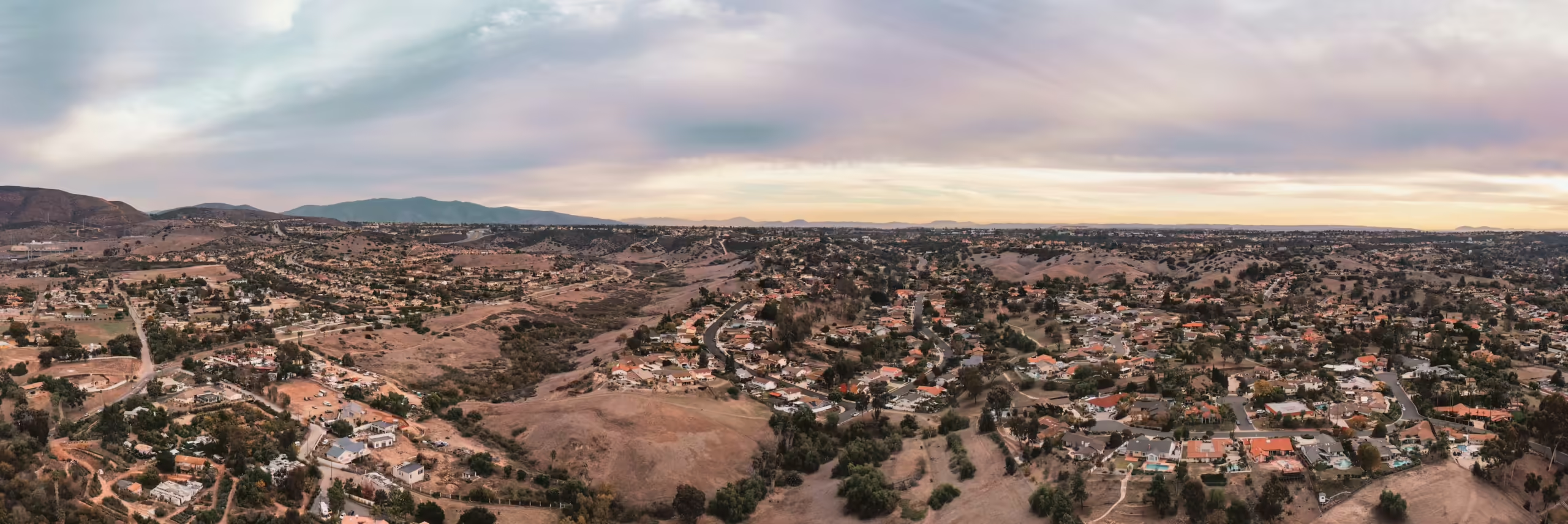
Retrofitting a home for wildfire resistance can cost as little as $2,000, making this approach an effective risk reduction strategy for communities.
-
Federal climate vulnerability maps overlook low-capacity communities

Federal maps designed to identify “at-risk and in-need” communities have failed to identify those at the lower end of the capacity spectrum.
-
Updates to Wildfire Risk to Communities reveal 115 million people living with high wildfire risk
New climate data and methodology enhances Wildfire Risk to Communities, a free online tool for understanding wildfire risks across the United States.
-
Redefining the urban wildfire problem in the West

Leading wildfire experts make the case that creating wildfire-resistant communities must become a much higher priority.
-
Measuring trail use in western New Mexico
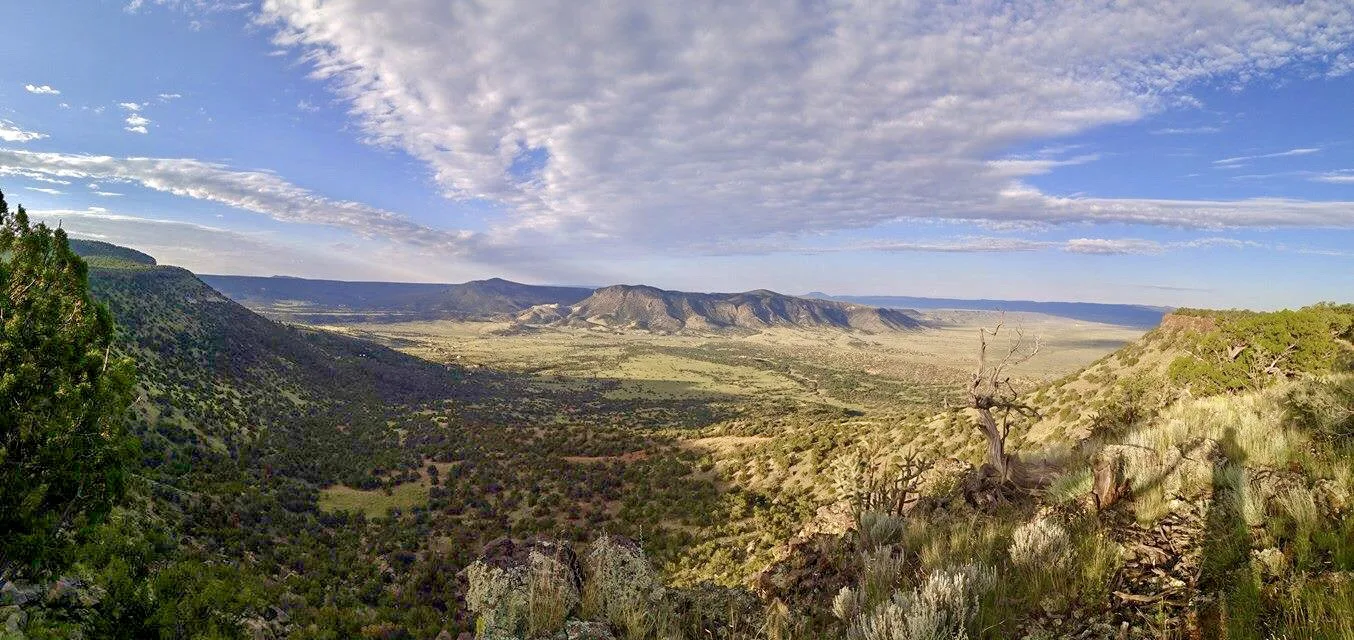
Detailed estimates of trail use show the substantial demand for recreational access in Cibola and McKinley counties, New Mexico.
-
Trails Research and Searchable Benefits Library

Headwaters Economics has created a free, curated collection of nearly 200 high-quality studies that measure the wide-ranging benefits that trails bring to communities.
