-
New research shows where wildfire mitigation can be highly cost effective

The United States is spending billions of dollars on suppressing wildfires that threaten a growing number of homes, but very little on better preparing communities before a wildfire occurs.
-
A decline in accuracy of equity-related measures in the 2020 American Community Survey
Due to new methods and pandemic disruption, the 2020 American Community Survey shows some decrease in accuracy for equity-related measures.
-
Green Infrastructure: Cost-effective solutions to flooding
Green infrastructure can provide long-term, cost-effective solutions to flooding and can help communities adapt to climate change. We provide a cost breakdown for eight green infrastructure practices.
-
Yellowstone Flood reveals Montana’s mobile home flood risk
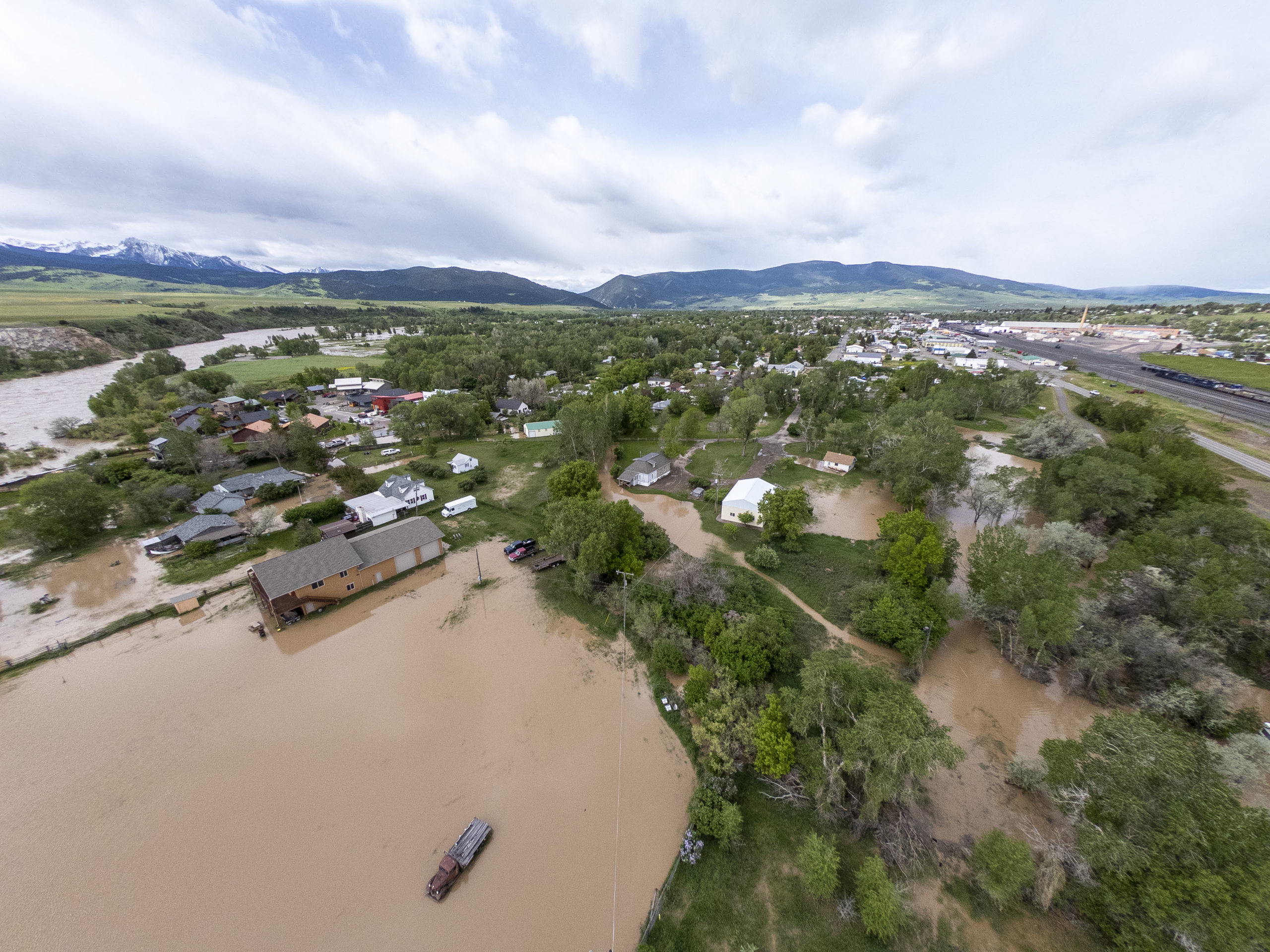
Montana’s mobile home residents face disproportionate flood risk and traditional solutions leave them behind.
-
Capacity-limited states still struggle to access FEMA BRIC grants
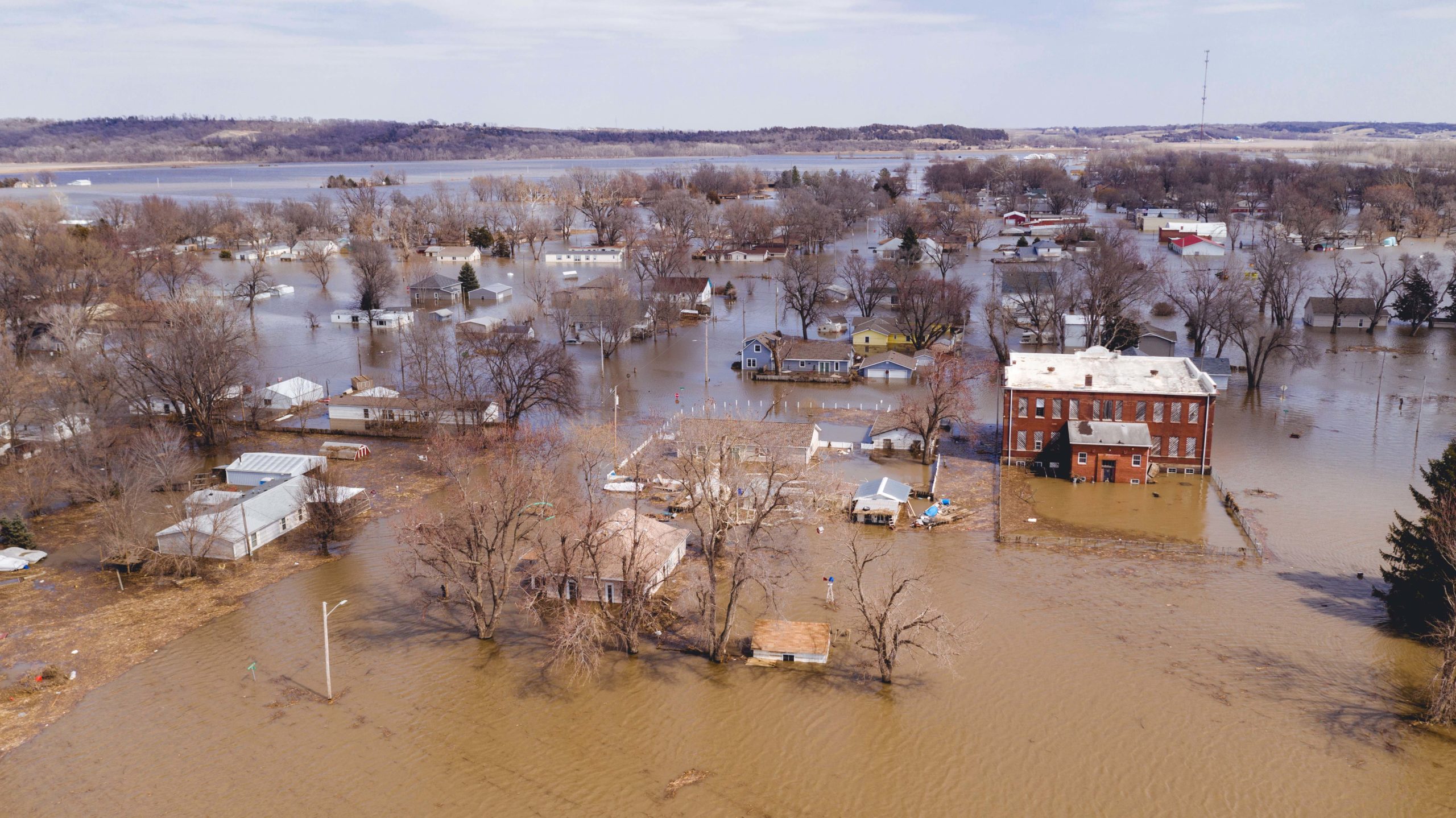
Places with lower capacity are failing to get funding through FEMA’s flagship grant program, Building Resilient Infrastructure and Communities (BRIC).
-
Construction costs for a wildfire-resistant home: California edition
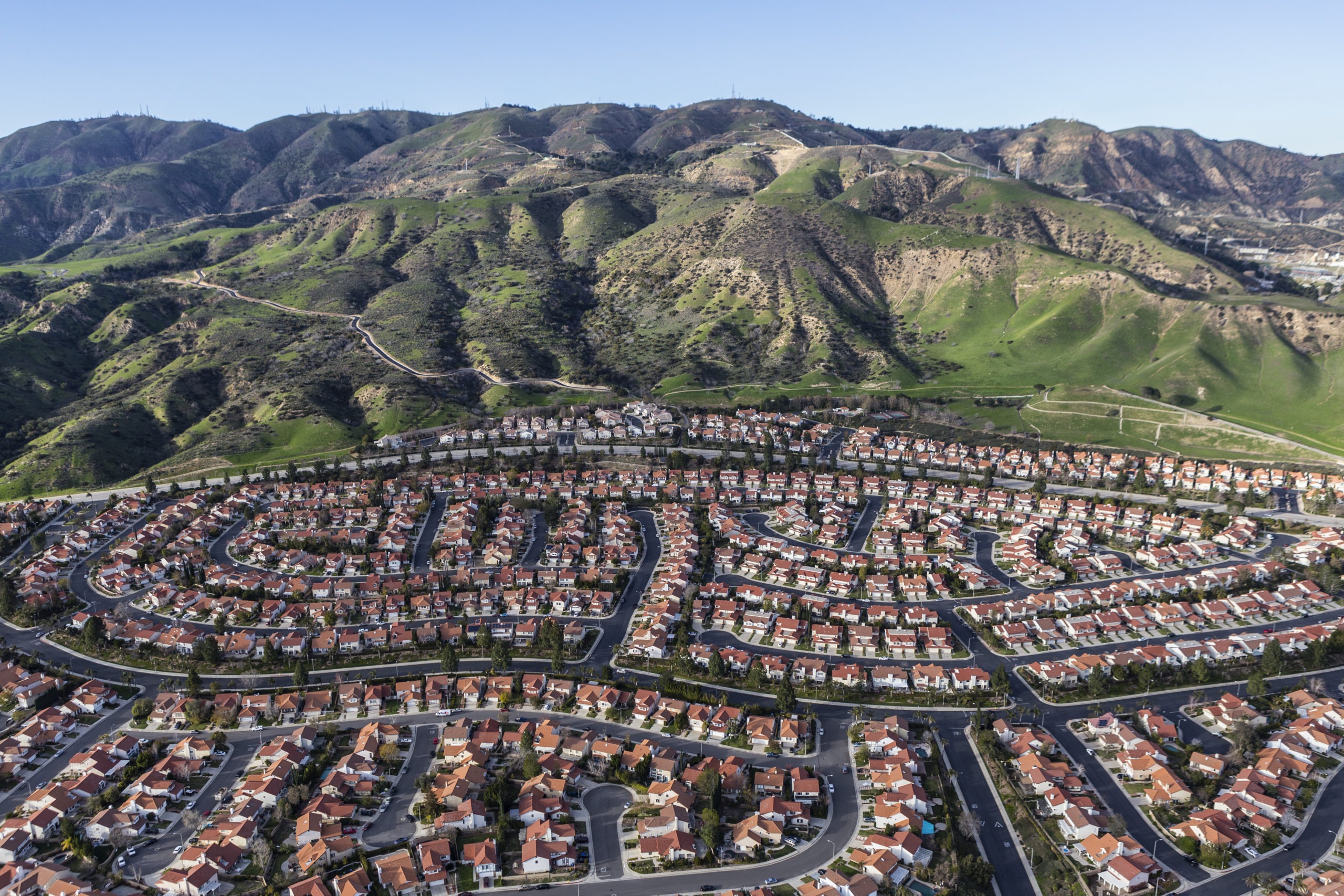
In light of rising wildfire risks, we analyzed the costs of constructing homes to three levels of wildfire resistance in California.
-
Wood roofs are a $6 billion wildfire problem

At least 1.2 million wood roofs are in areas with wildfire risk. Funding is needed to help communities prepare for wildfire.
-
Local revenue to fund long-term infrastructure costs
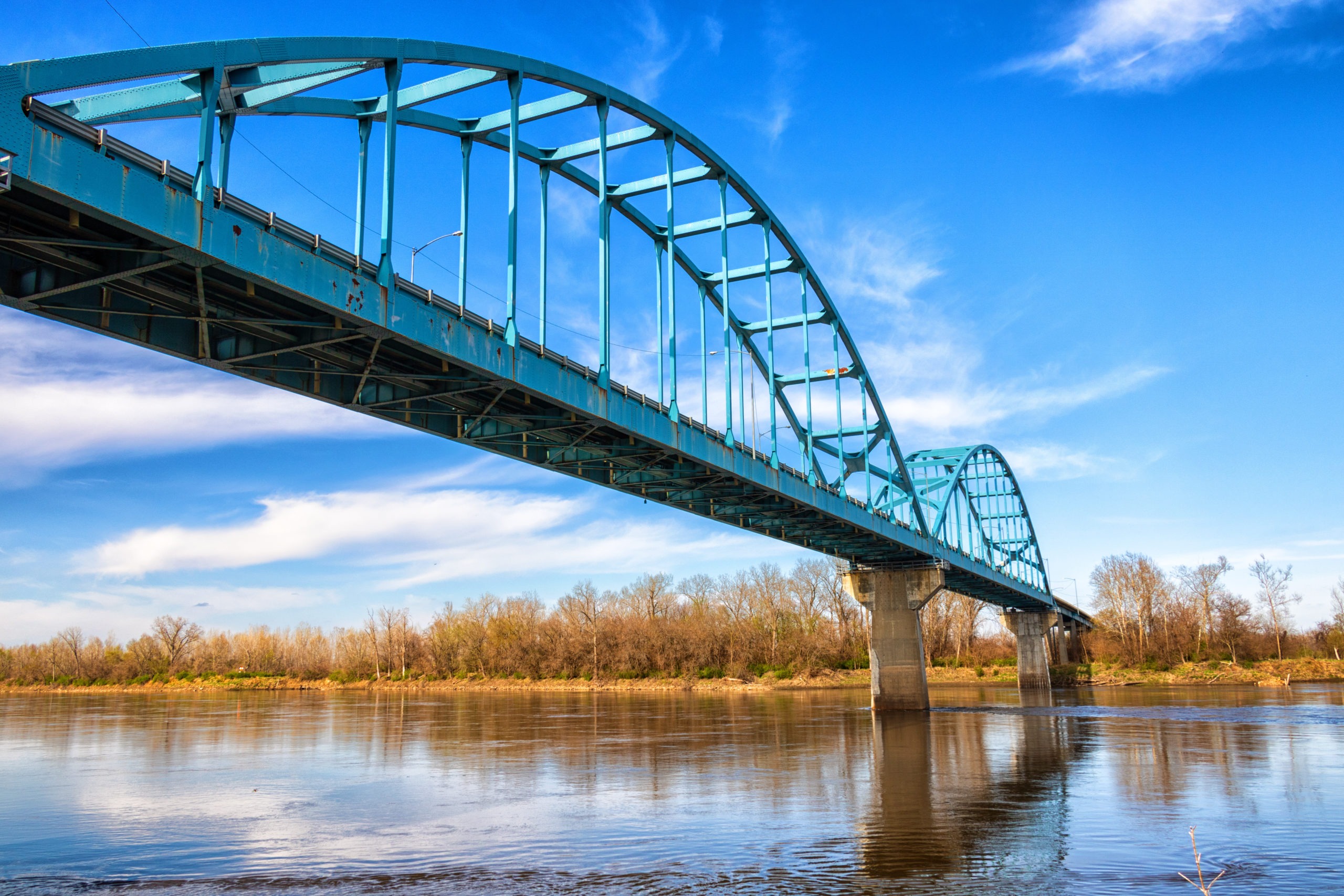
Communities need resilient revenue strategies to fund the long-term costs of capital improvements and infrastructure.
-
The economic potential of the Great American Rail-Trail
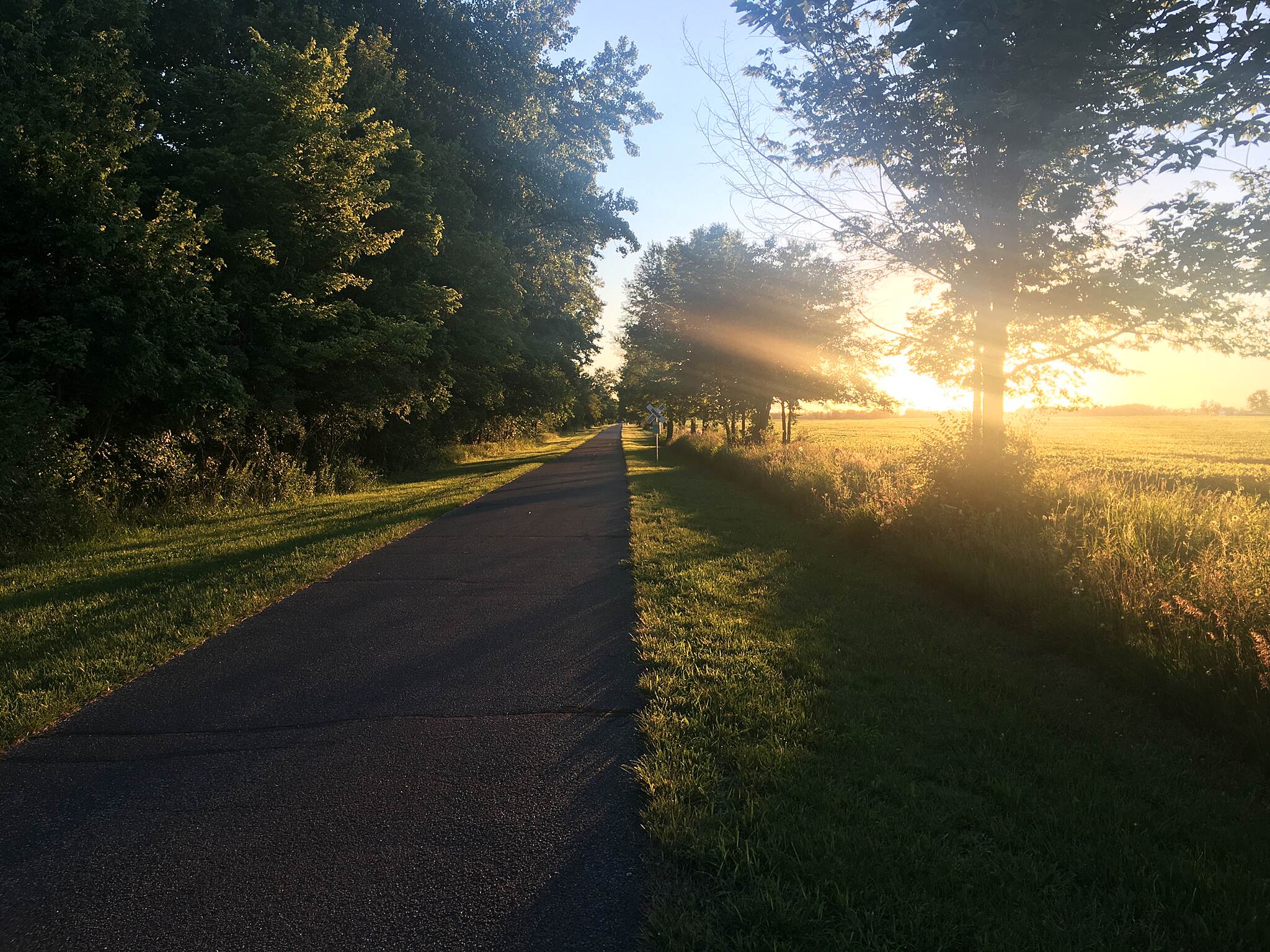
Through 12 states and the District of Columbia, the Great American Rail-Trail® will attract 25.6 million trips and generate more than $229.4 million in spending.
-
Mobile home residents face higher flood risk
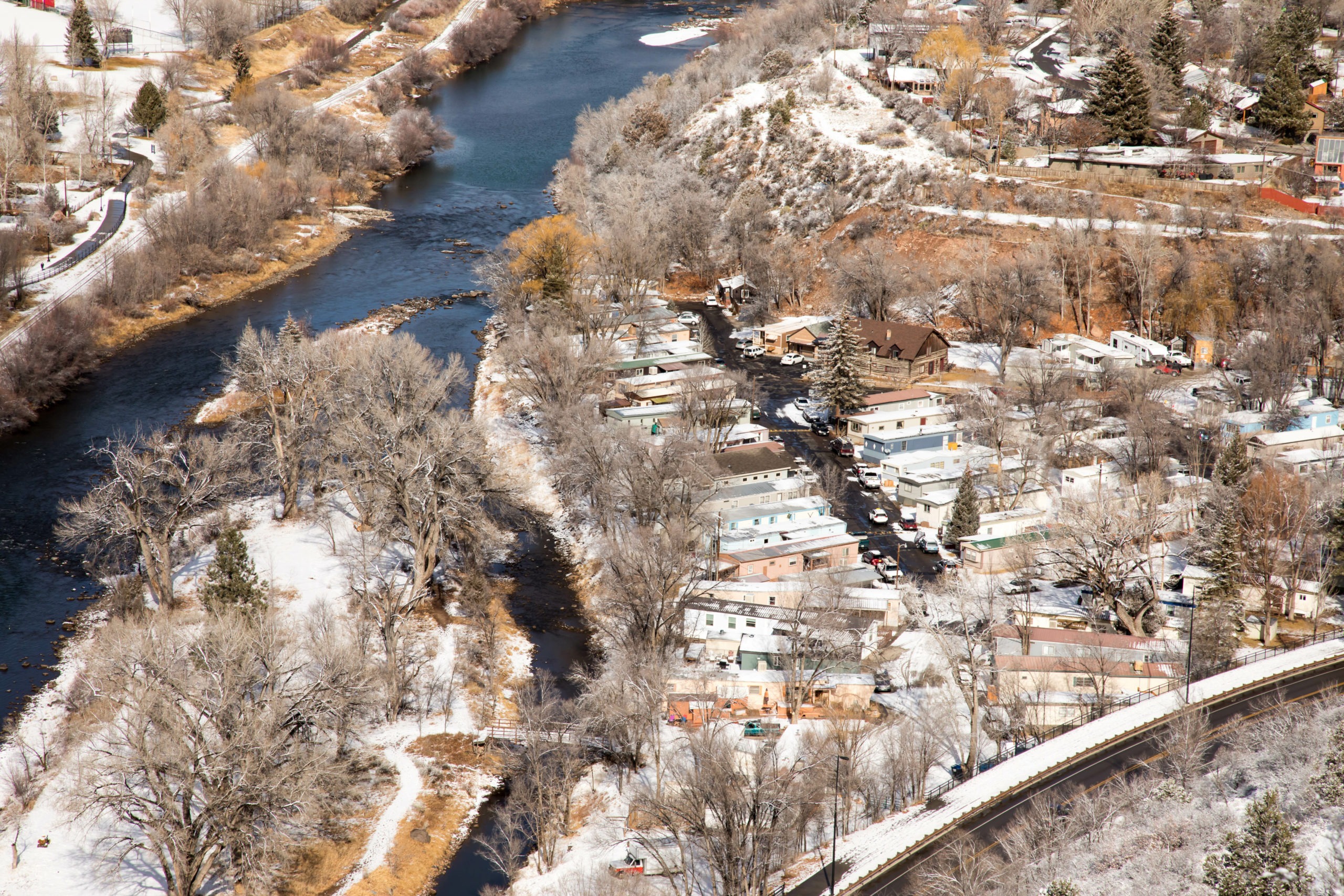
Mobile homes are the most common unsubsidized, affordable housing in the United States but have disproportionately higher flood risk than other housing types.
-
Measuring trail use in Montana’s Bridger mountains
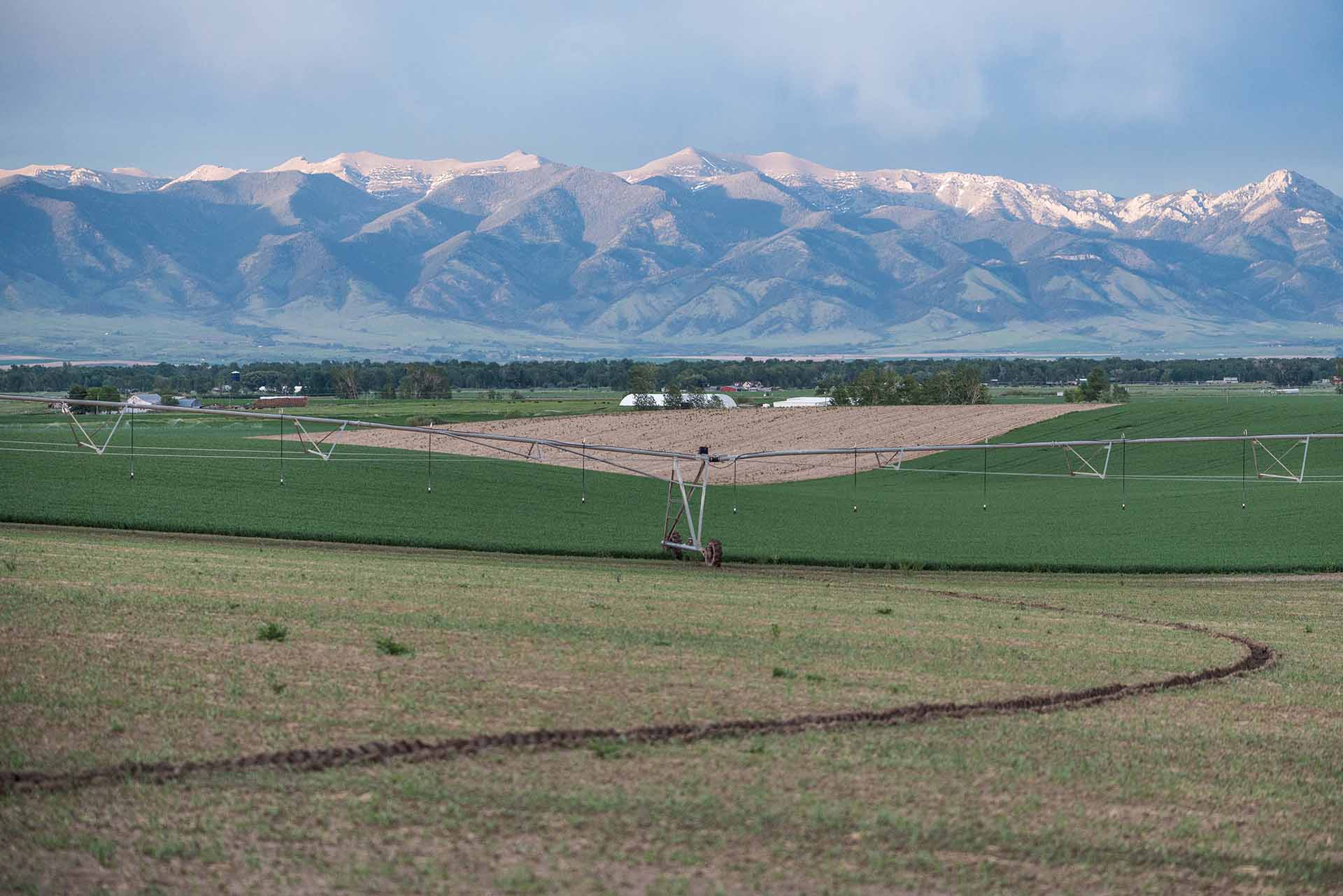
Detailed estimates of summer trail use help show the impacts of growing recreational use and highlight infrastructure needs in southwest Montana.
-
Improving benefit-cost analyses for rural areas
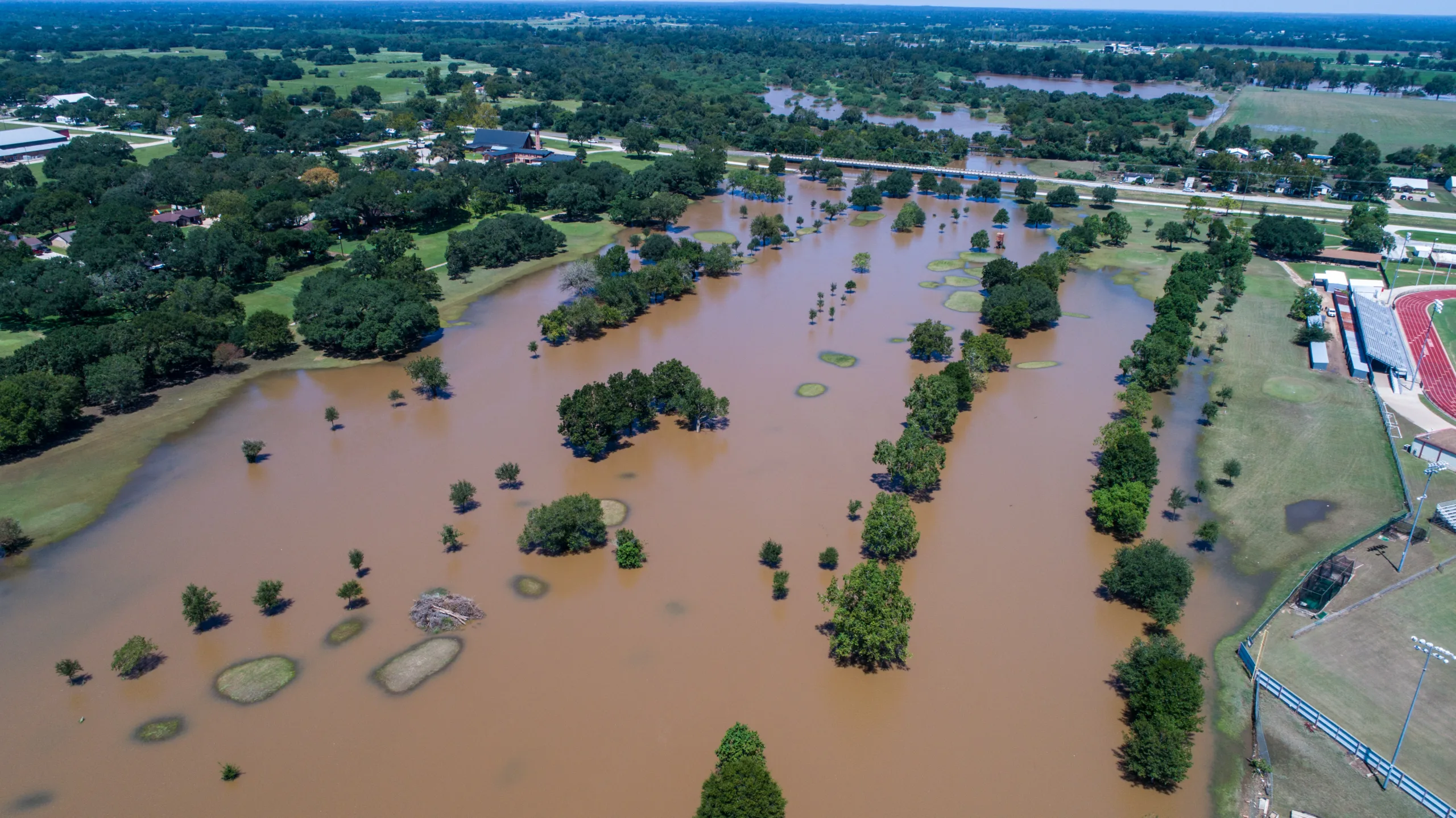
Benefit-cost analysis, required for many federal funding sources, puts smaller, rural, and low-income communities at a disadvantage.
-
Housing costs broke records across the U.S.
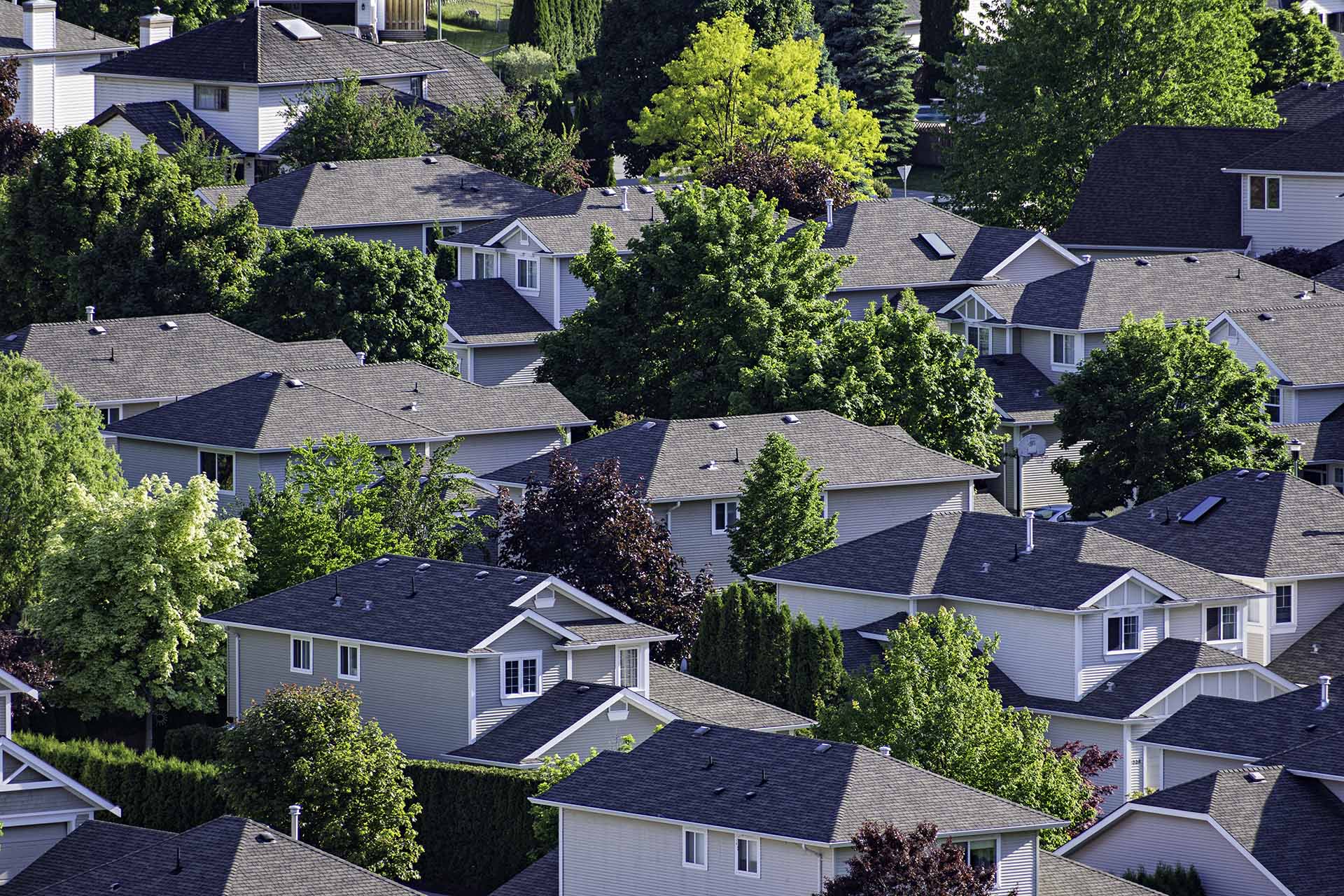
Unaffordable housing came to a head during the pandemic as communities across the country saw unprecedented rises in housing costs.
-
Unaffordability for renters made worse during the pandemic

The unprecedented rise in housing prices since 2020 has affected renters more than homeowners—especially in places that were already unaffordable.
-
The unequal impacts of wildfire
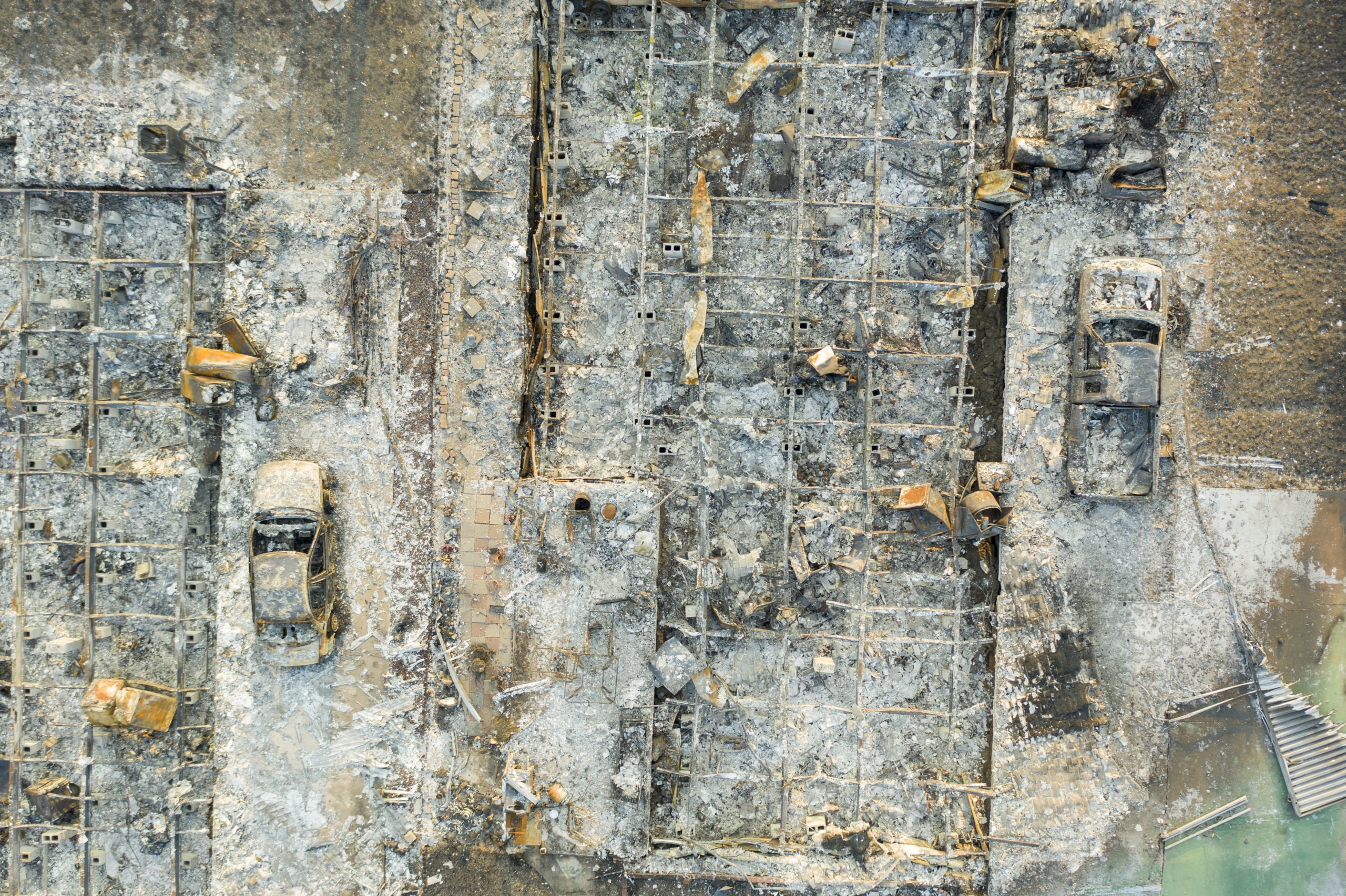
See where wildfire risk intersects social and economic factors that can make it difficult for people to prepare for, respond to, and recover from wildfire.
-
Diversifying revenue on New Mexico state trust lands
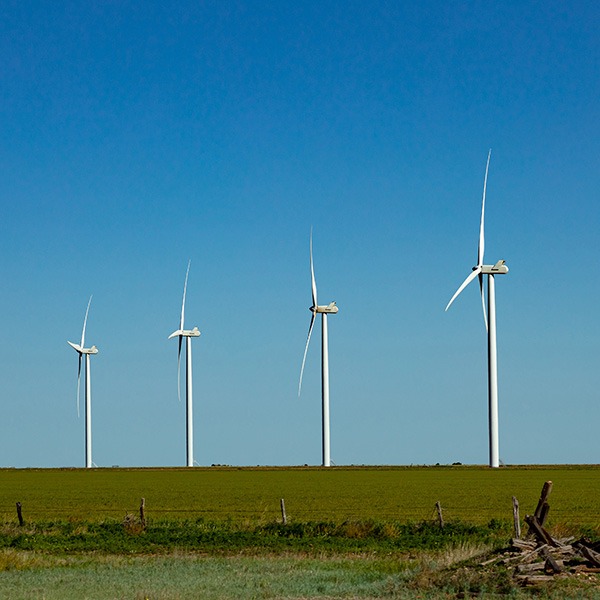
New activities can help guarantee and diversify future revenue from New Mexico state trust lands, complementing the successful Land Grant Permanent Fund.
-
Mountain, Midwest, and Gulf States fail to secure FEMA resilience funding
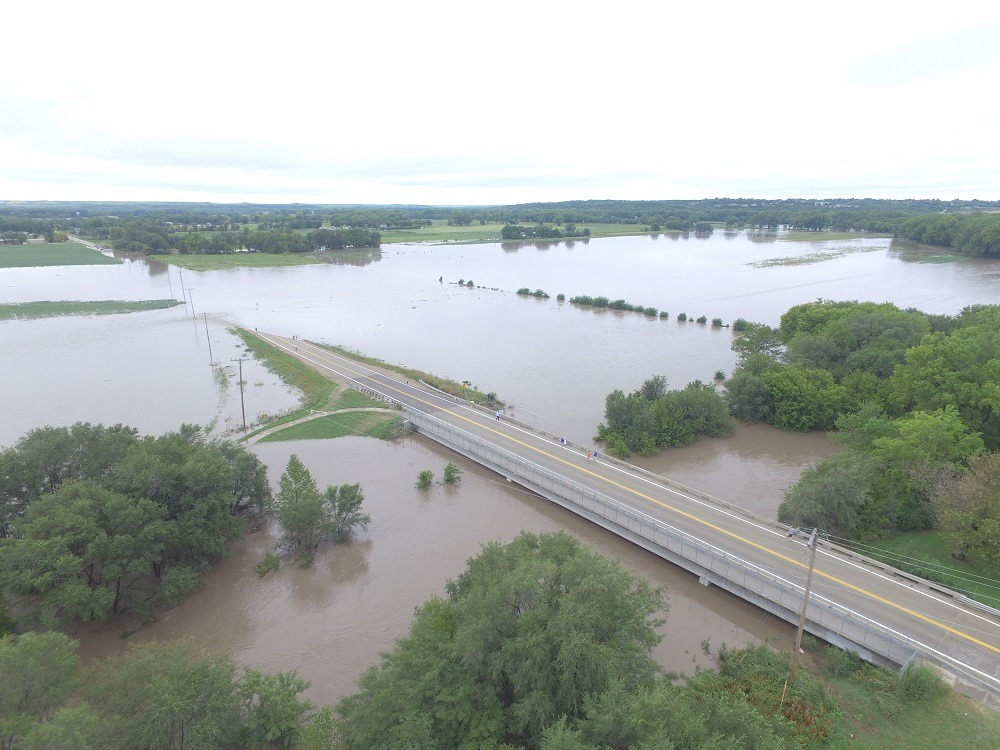
Rural and lower capacity communities failed to successfully compete for FEMA Building Resilient Infrastructure and Communities (BRIC) funding in FY 2020.
-
Federal Fossil Fuel Disbursements to States
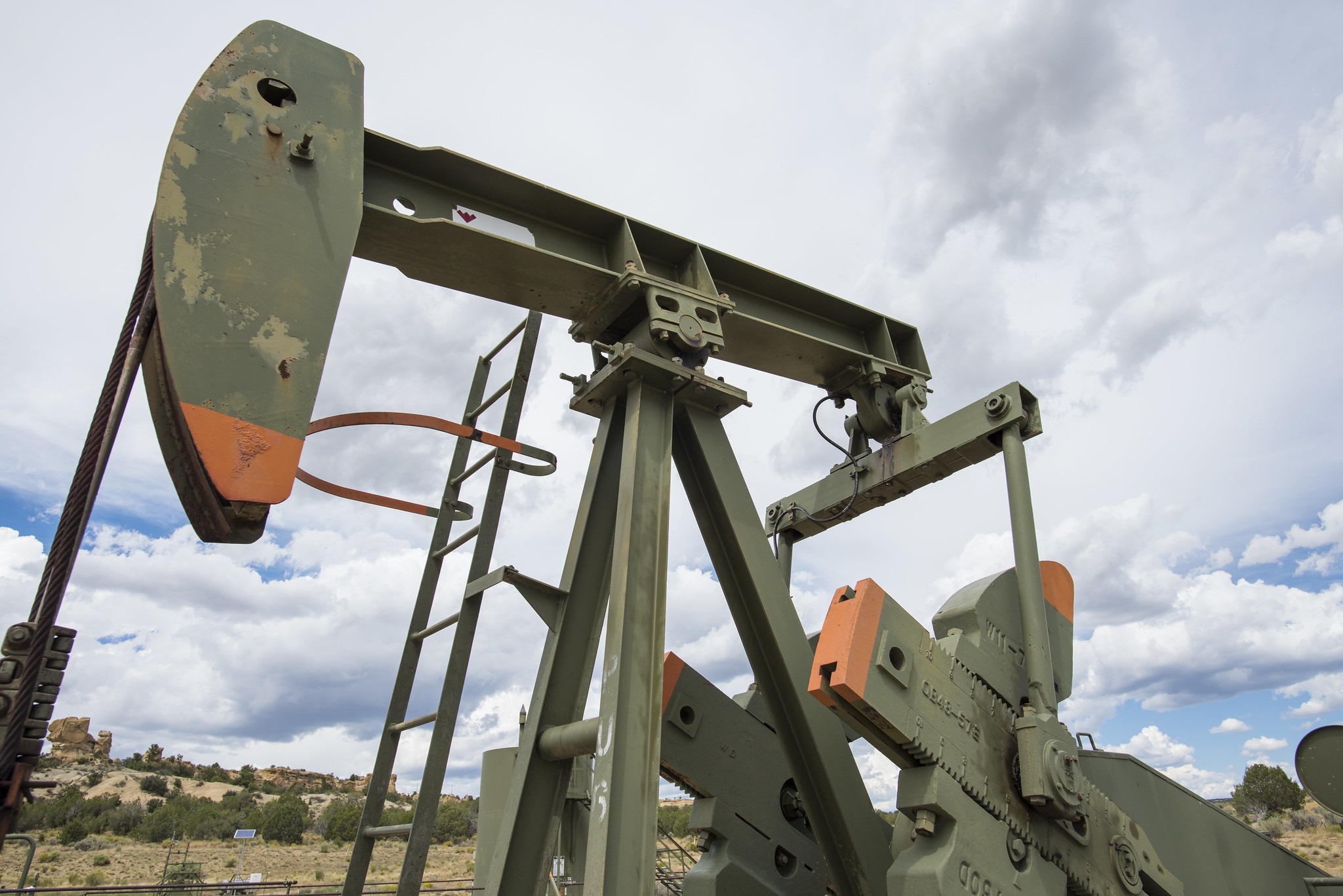
States tend to spend, rather than save, federal fossil fuel disbursements, potentially making them vulnerable to economic transitions.
-
The Future of the Outdoor Recreation Economy

The outdoor recreation economy is strong, diverse, and growing, helping communities thrive.
-
Living with wildfire
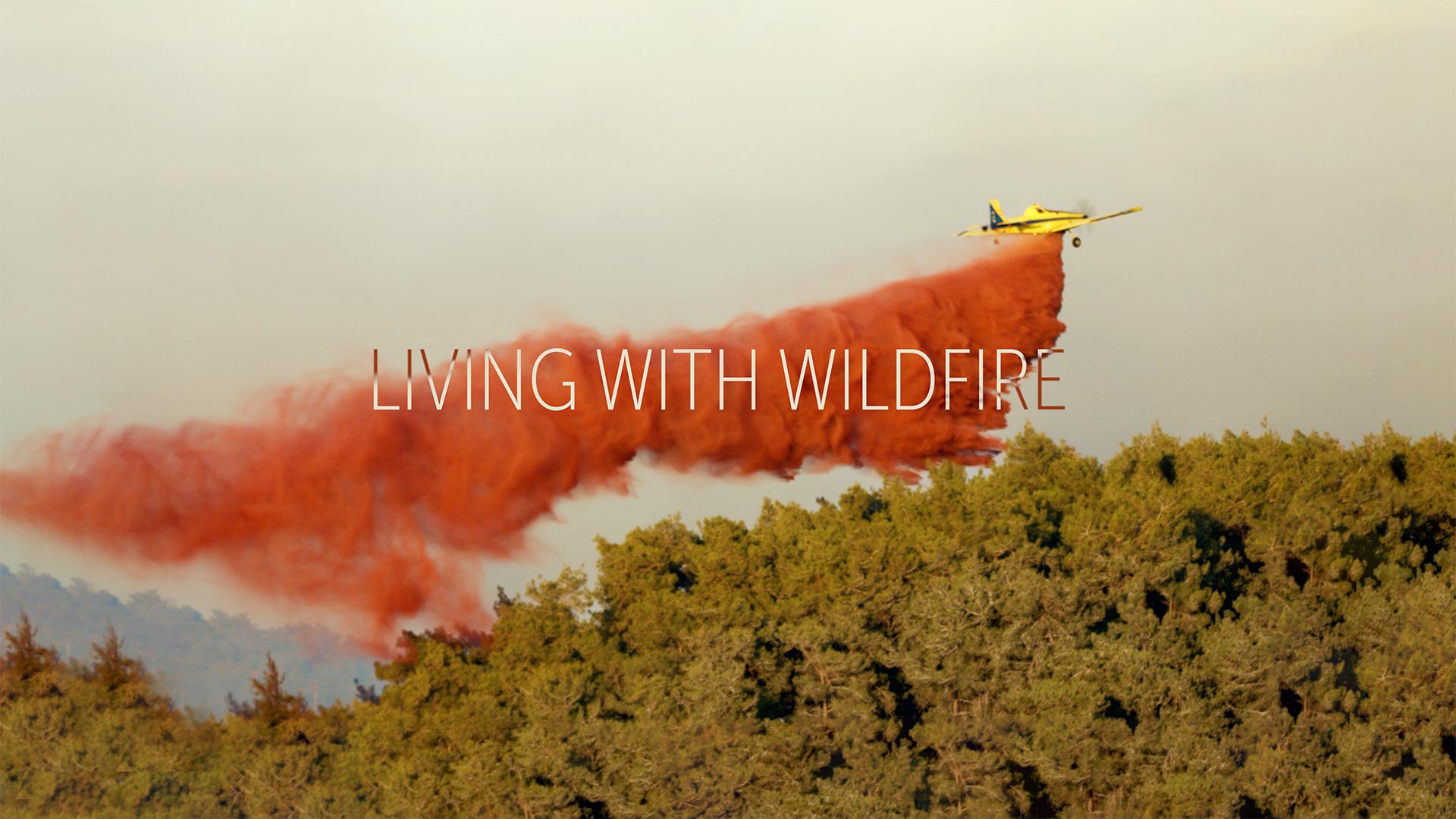
Watch “Living with wildfire.” Wildfires are an inescapable and necessary function of healthy ecosystems. In the past decade they have increased in severity and duration, killed more people, and burned more structures.
