-
Who gets federal disaster assistance? New county-level data offer a clearer picture

The first publicly available county-level dataset of federal disaster declarations and denials offers insights for communities that may be impacted by FEMA reform.
-
Additional benefits of wildfire-resistant homes

An analysis of wildfire-resistant home upgrades shows that they can also deliver energy savings, lower maintenance costs, and a longer-lasting home.
-
Local funding options for disaster resilience
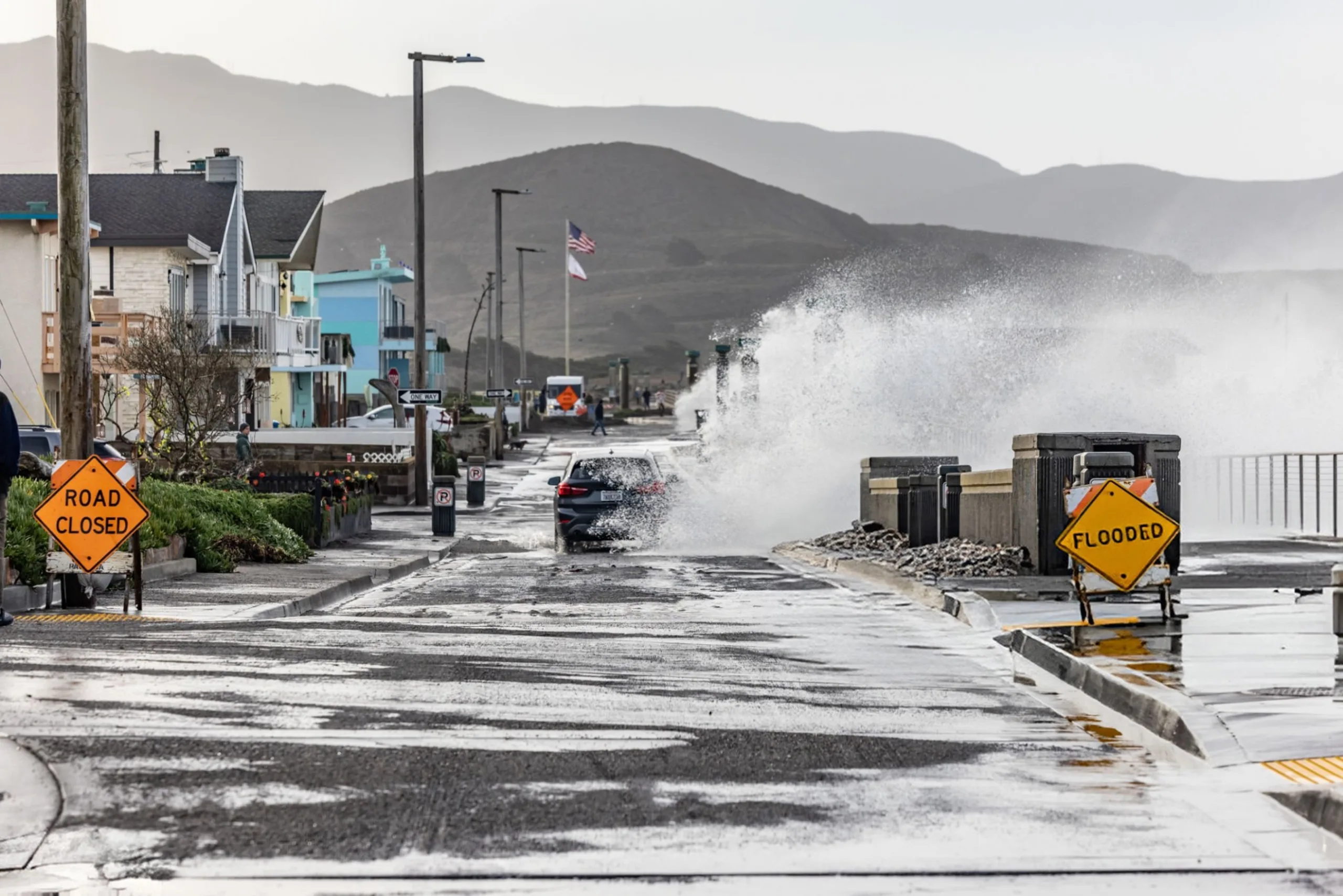
Projects that prepare communities to resist wildfire and flooding can save money in the long run, but they can be hard to finance upfront. Headwaters Economics has created two guides to help local leaders identify sustained funding strategies for resilience projects.
-
Lessons from 30 years of wildfire ignition data
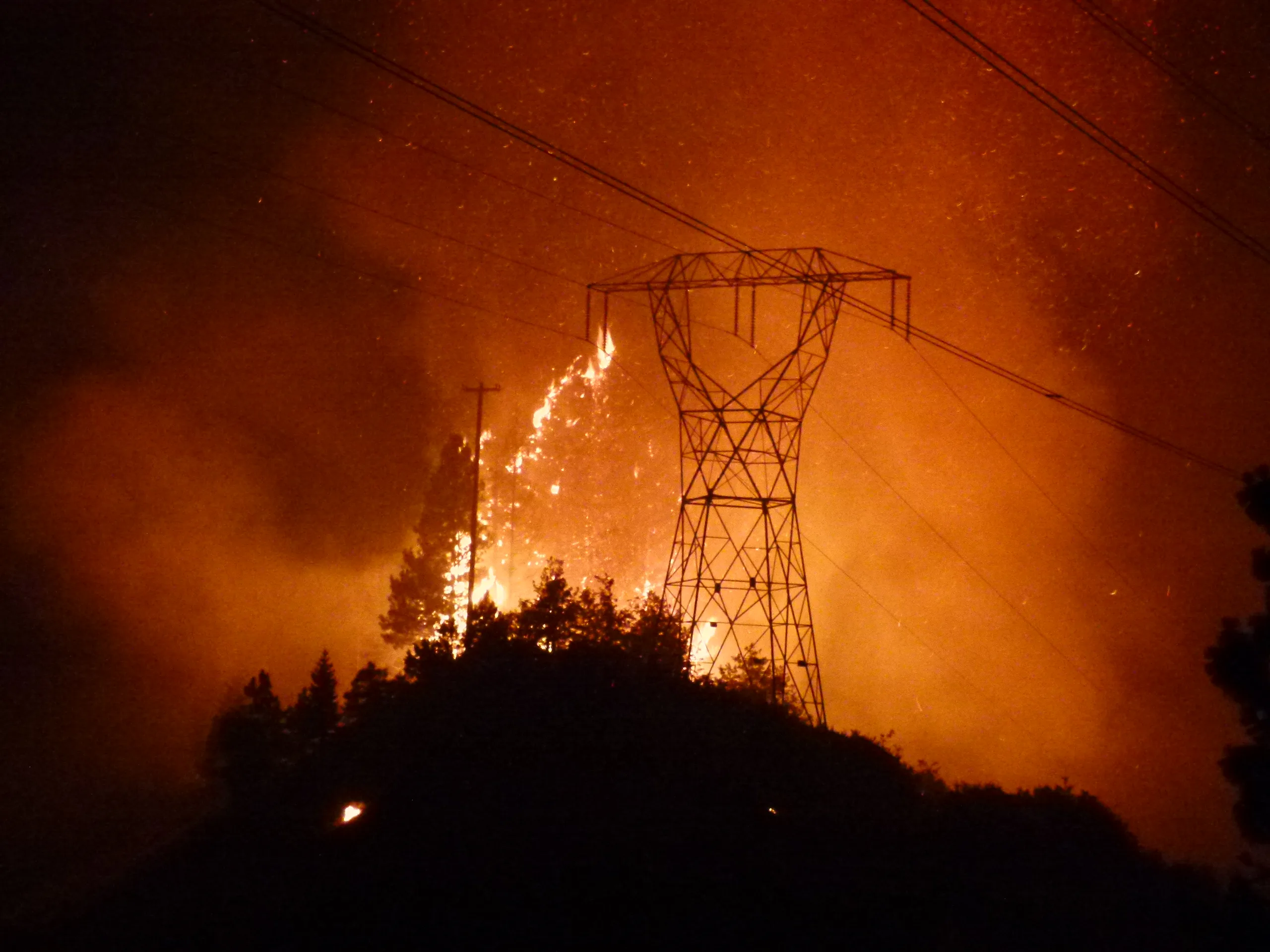
Human activity sparks most U.S. wildfires. A newly updated Forest Service dataset maps exactly where, when, and how people are responsible for wildfire ignitions. The insights arm researchers, emergency planners and mitigation experts with information they need to target prevention efforts.
-
The local economic implications of Lower Snake River dam removal

A new analysis finds that the largest and fastest-growing economic sectors in Nez Perce and Asotin counties are not strongly connected to the Lower Snake River dams. Both counties can continue to grow, and may see new economic gains, if the dams are removed.
-
Tracking Western states’ diverse approaches to wildfire building codes

More states in the West are considering new building codes to protect structures and neighborhoods from wildfire. We’re tracking the progress.
-
Community Wildfire Defense Grants fill a critical gap for rural communities
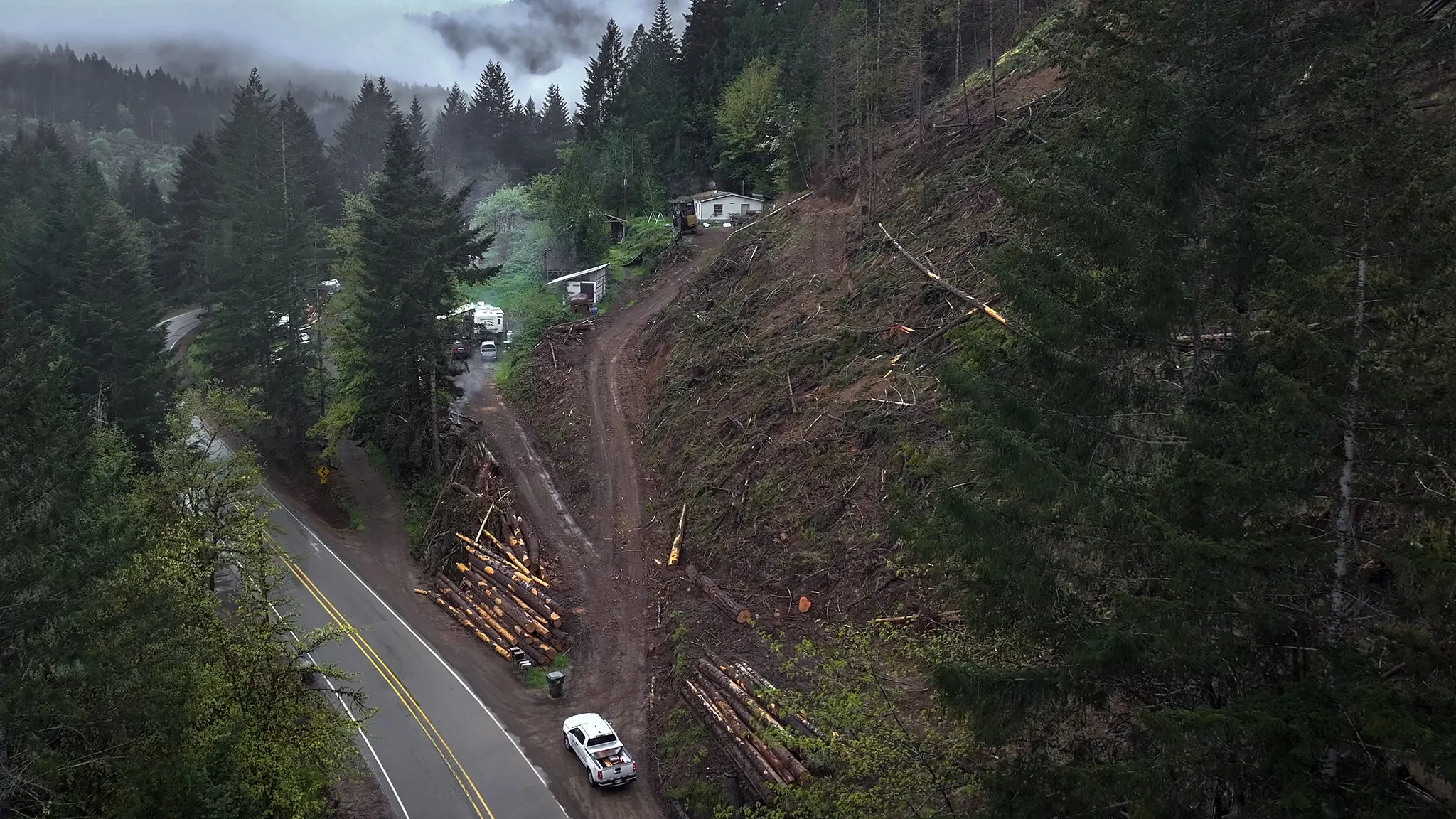
High demand for the CWDG program demonstrates the need for wildfire risk reduction support in high-risk, low-income communities.
-
The Outdoor Recreation Economy by State

The outdoor recreation economy is large, growing faster than the overall economy, and consists of jobs in many industries. Explore data by state.
-
Economic performance of communities near national monuments

National monument designation does not disrupt local economies, according to the latest data on jobs, income, and GDP. Most trends continue on the same trajectory after designation, and income growth tends to improve modestly over time.
-
Wildfire and insurance options for homeowner coverage

In the face of increasing wildfire disasters several strategies could play a role in reducing damages and stabilizing homeowners insurance markets.
-
States must modernize stream crossing standards to protect communities from flooding

More than half of the culverts protecting roads from flooding in the United States do not meet modern design standards, endangering communities and local economies. New standards and replacement programs must be adopted.
-
Construction costs for wildfire-resistant homes
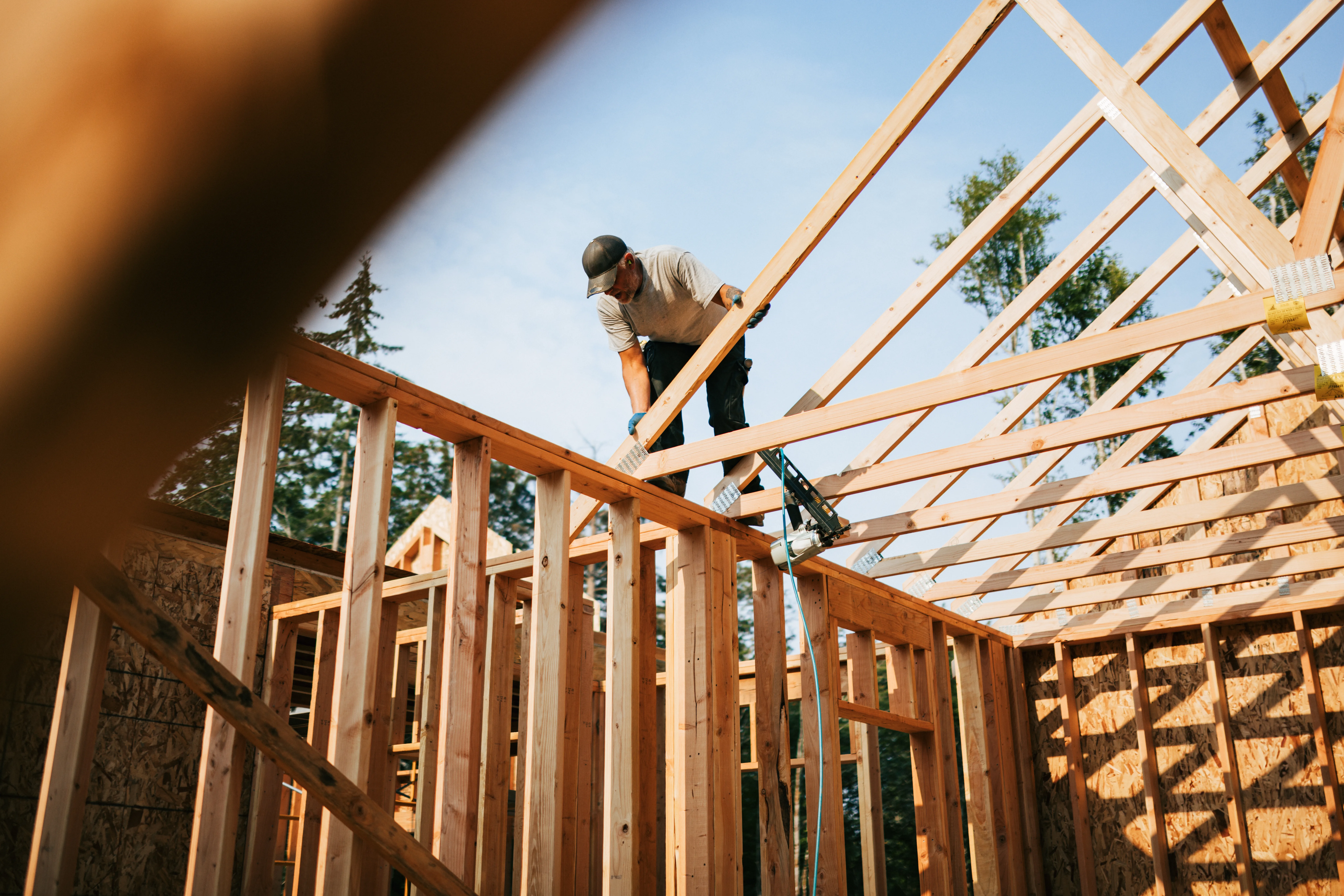
A new analysis shows that building wildfire-resistant homes adds less than 3% to construction costs.
-
Building disaster preparedness in the outdoor recreation economy
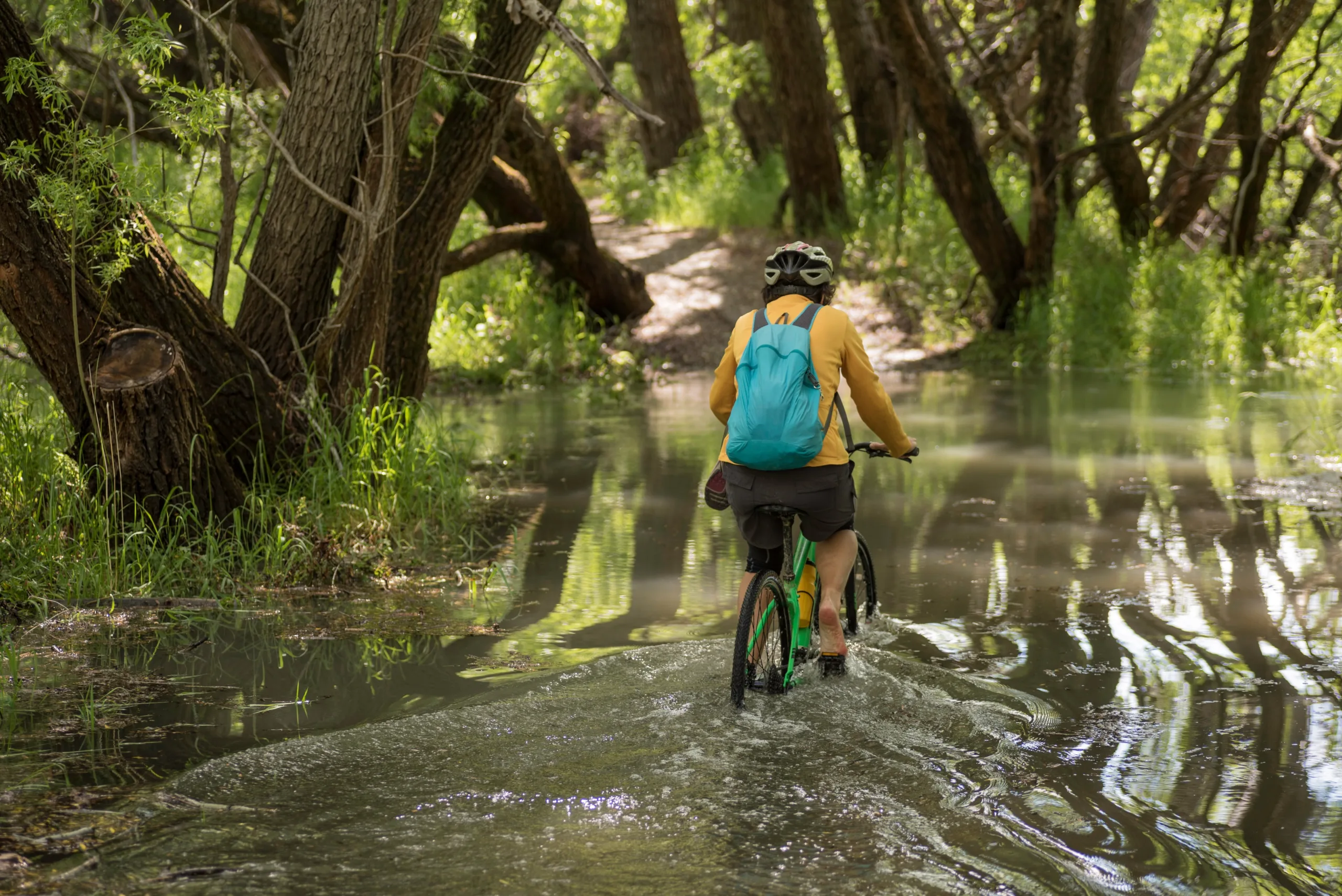
As floods and wildfires grow more damaging, recreation leaders and emergency managers must team up to protect visitors, economies, and the landscapes we love.
-
Protecting our Past: Wildfire Strategies for Historic Buildings
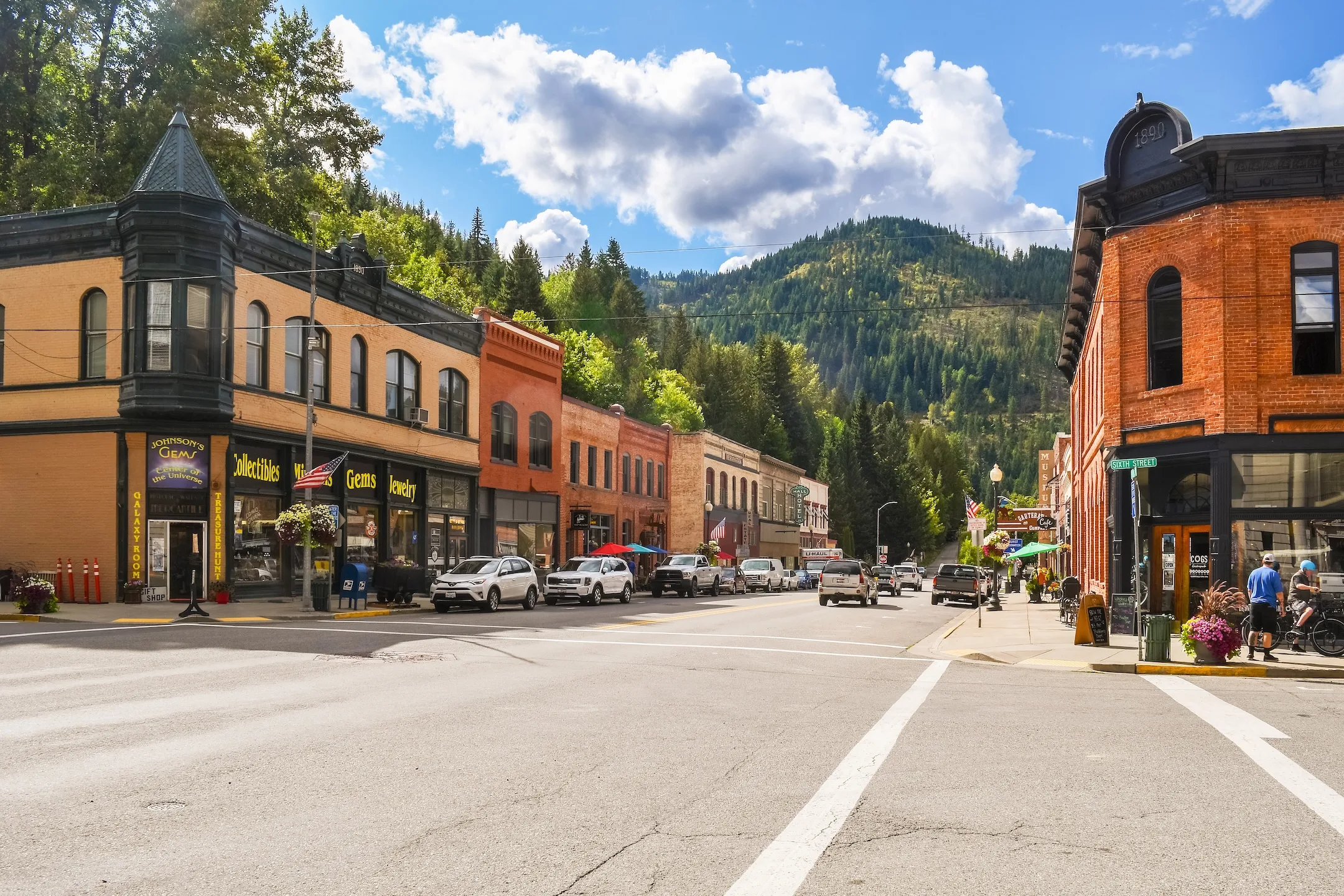
The loss of the Grand Canyon Lodge to wildfire underscores the urgent need to align historic preservation standards with evidence-based wildfire risk reduction practices.
-
Reclaiming abandoned mines can protect against harmful and costly flood disasters
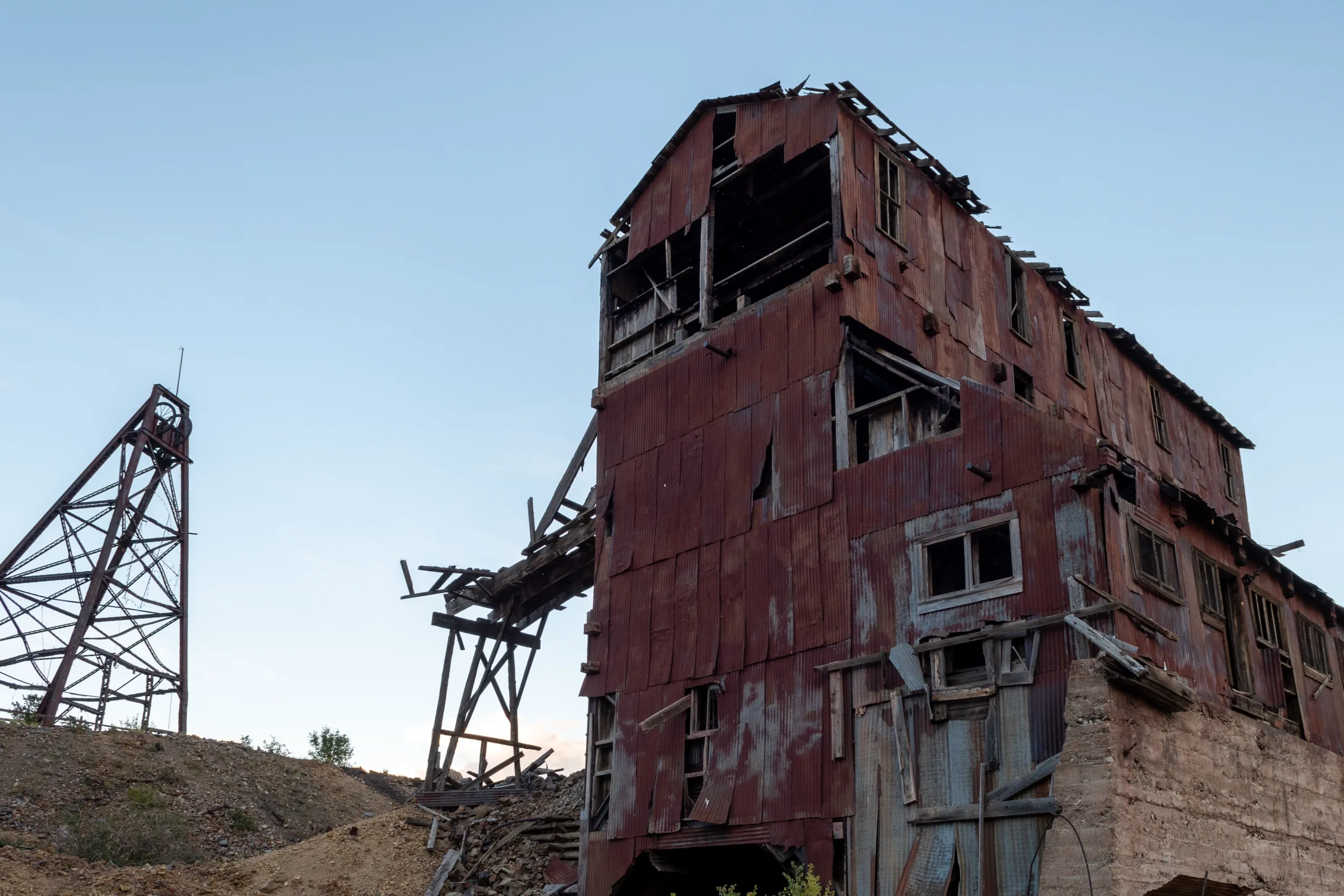
More than 68,000 abandoned or inactive mines in areas with high flood risk endanger people and places across the U.S.
-
The next generation of wildfire risk models must account for the built environment
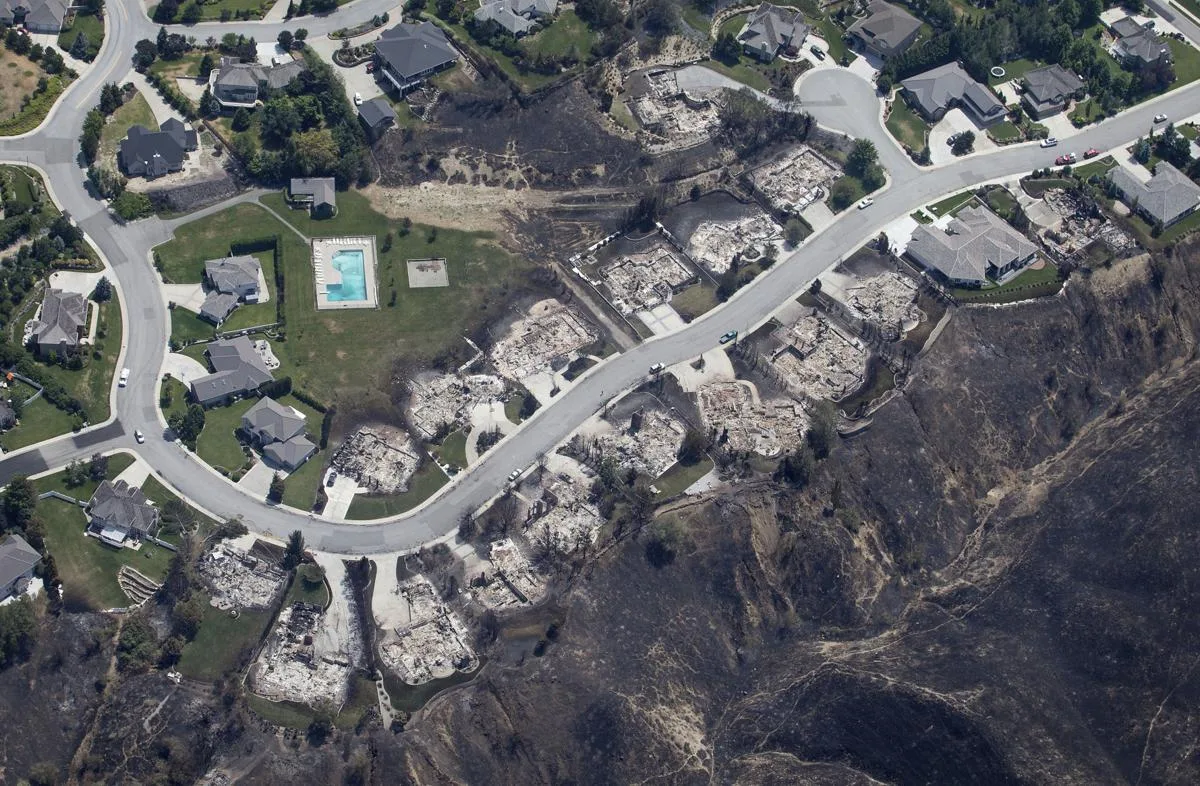
New research highlights opportunities to improve wildfire risk models that inform planning, building codes, and risk management.
-
How rural communities can ensure development projects deliver local benefits
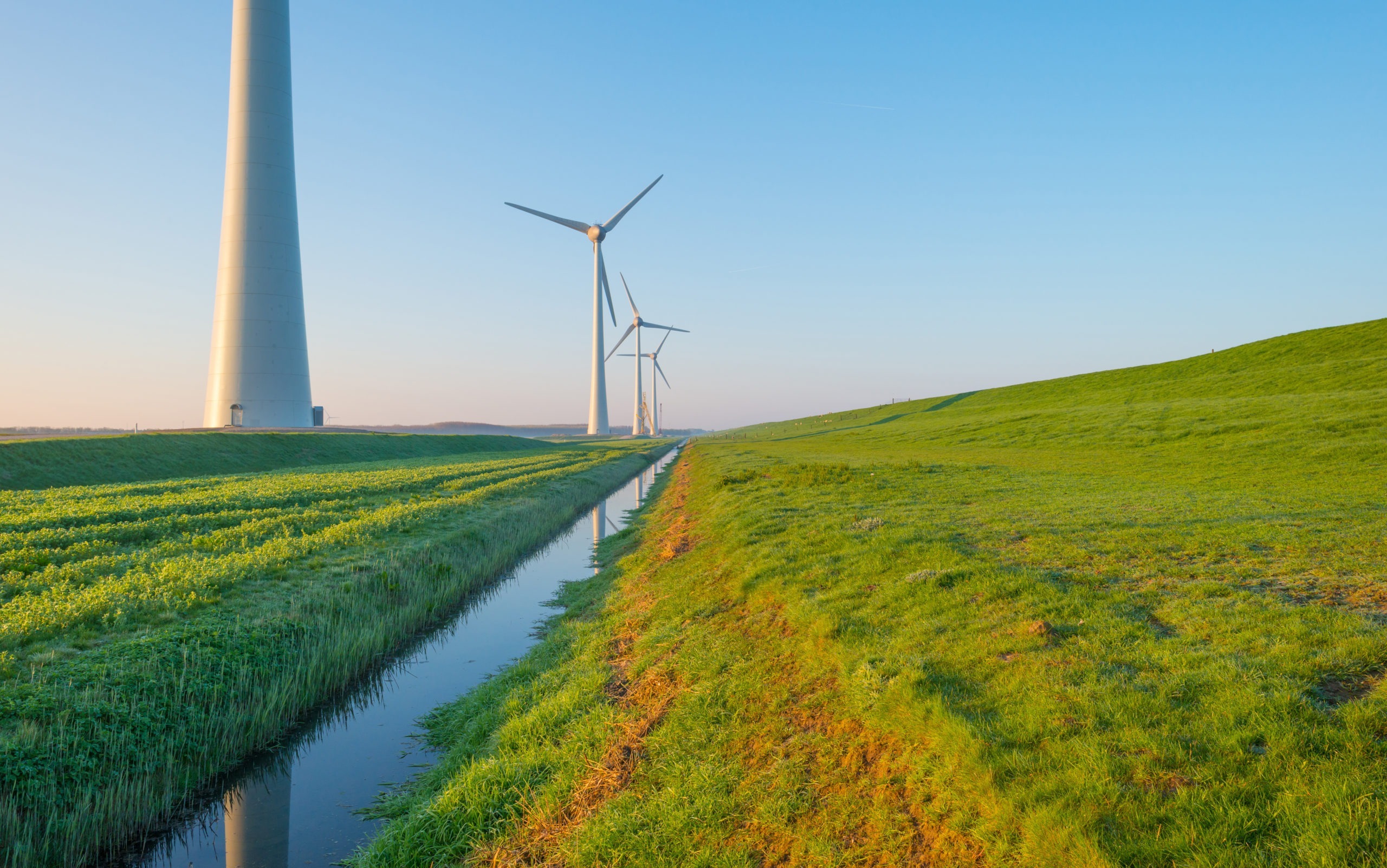
Seventy percent of rural communities with high economic output are losing population, but rural leaders can use Community Benefit Agreements to ensure development leads to lasting local value.
-
The path to wildfire-resistant building codes in Colorado offers lessons for other states
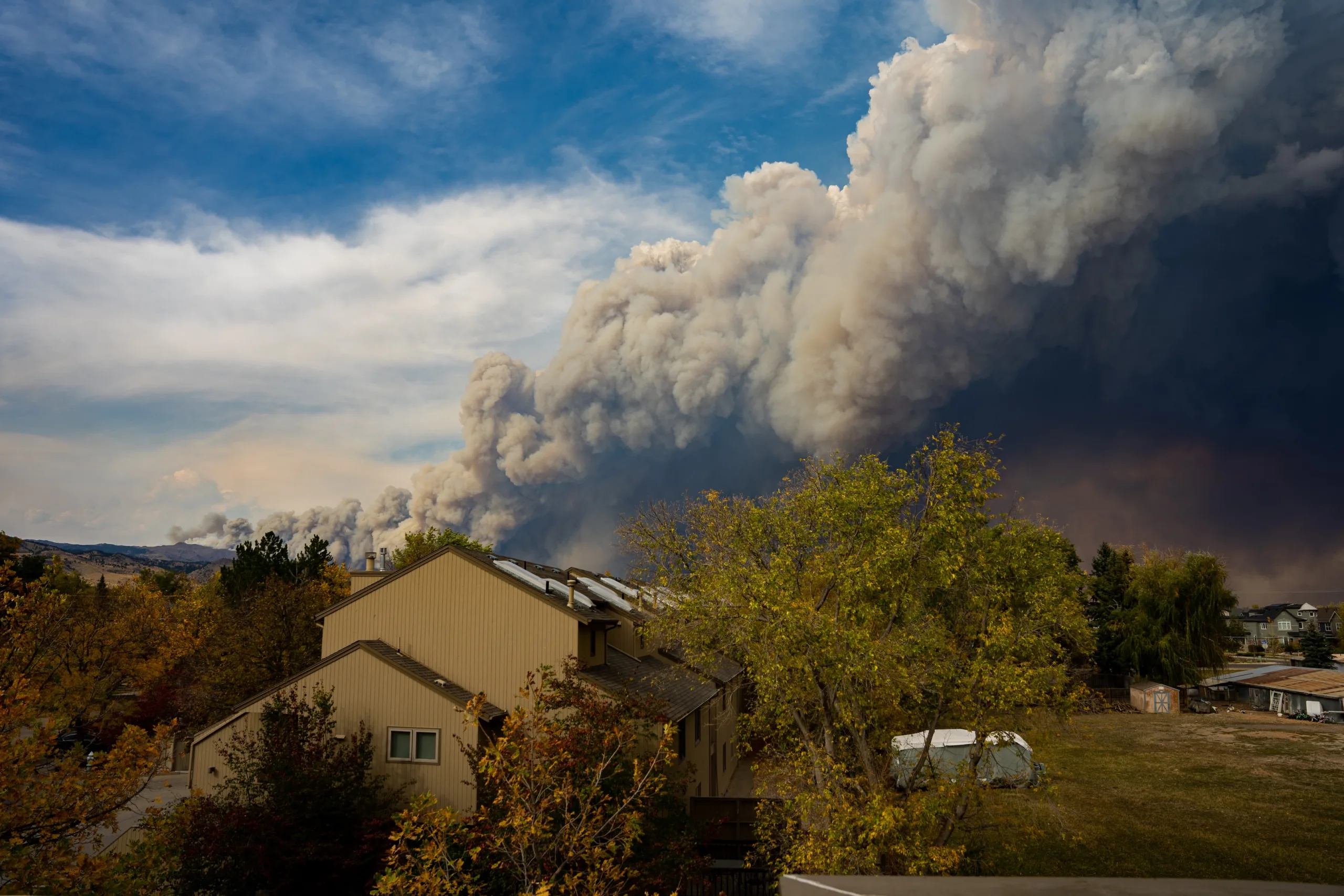
Colorado’s code design considered stakeholder input, including interviews and a survey conducted by Headwaters Economics and the University of Colorado Denver.
-
National public lands are vital to local economies
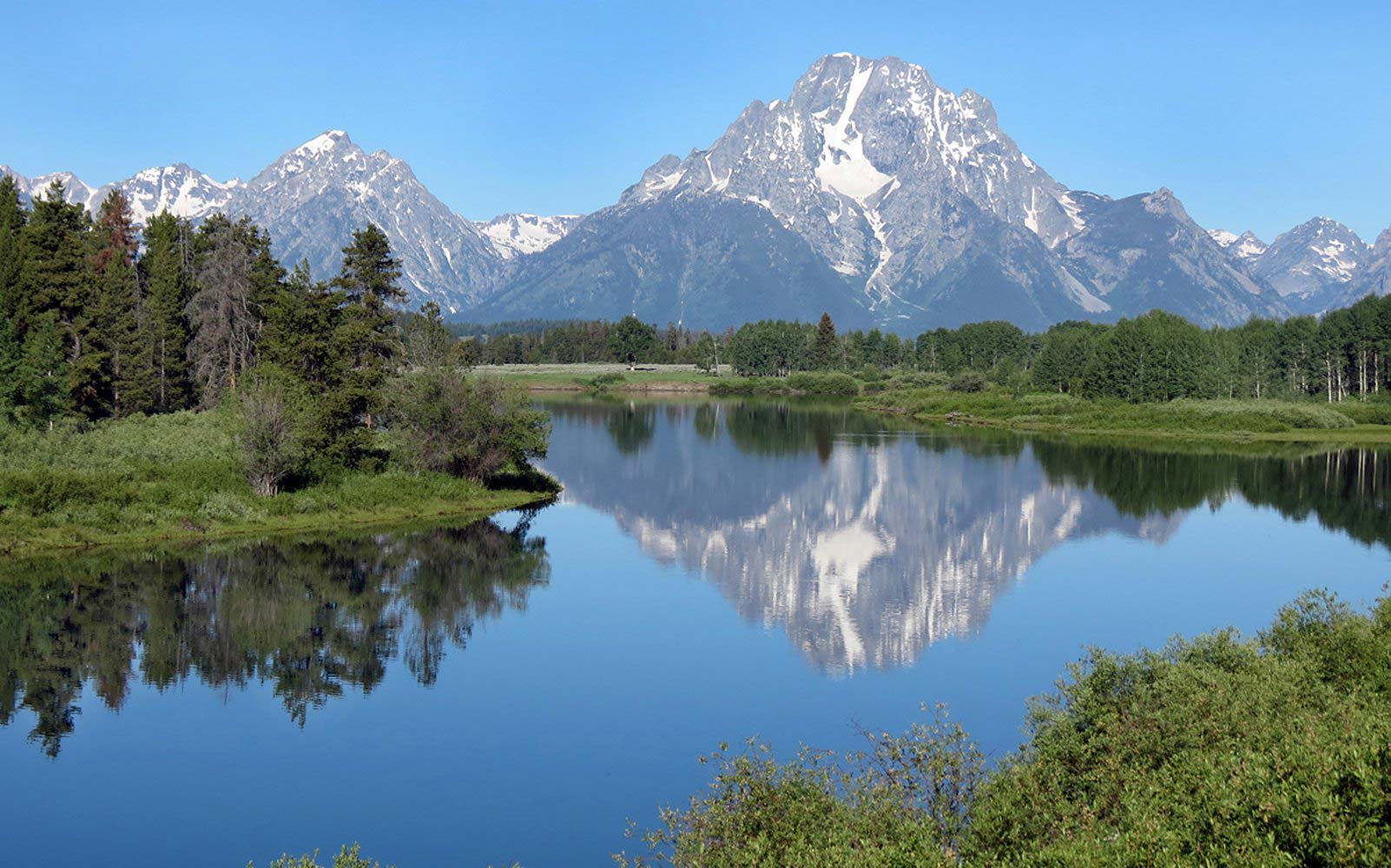
The growing connection between livelihoods and public lands calls for more investments in public access, preserving ecosystems, and minimizing privatization.
-
Building wildfire-resistant homes after disasters will save billions
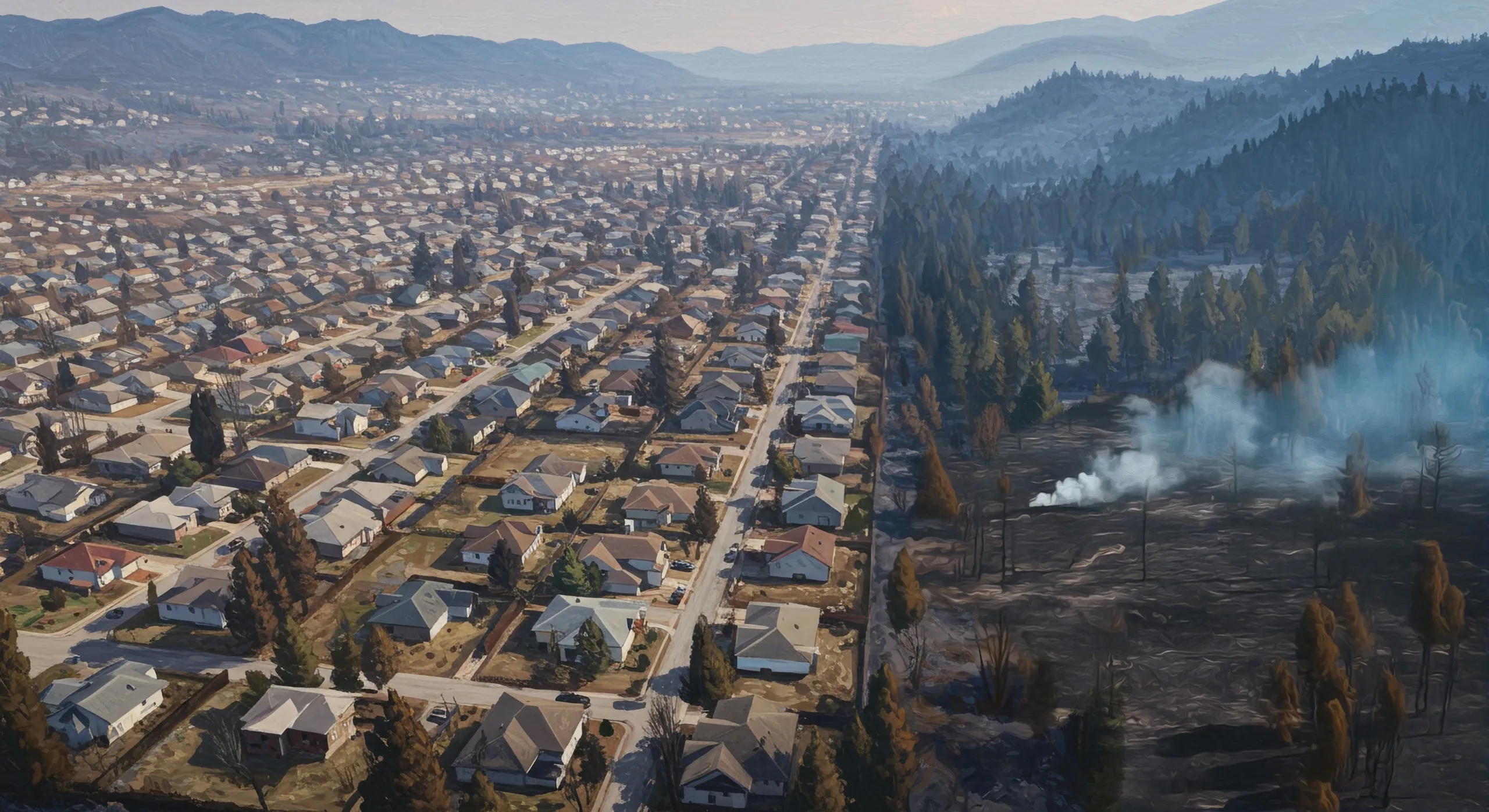
Upfront investments in rebuilding to wildfire-resistant standards can save billions in future avoided economic losses.
