-
National monuments can boost local economies
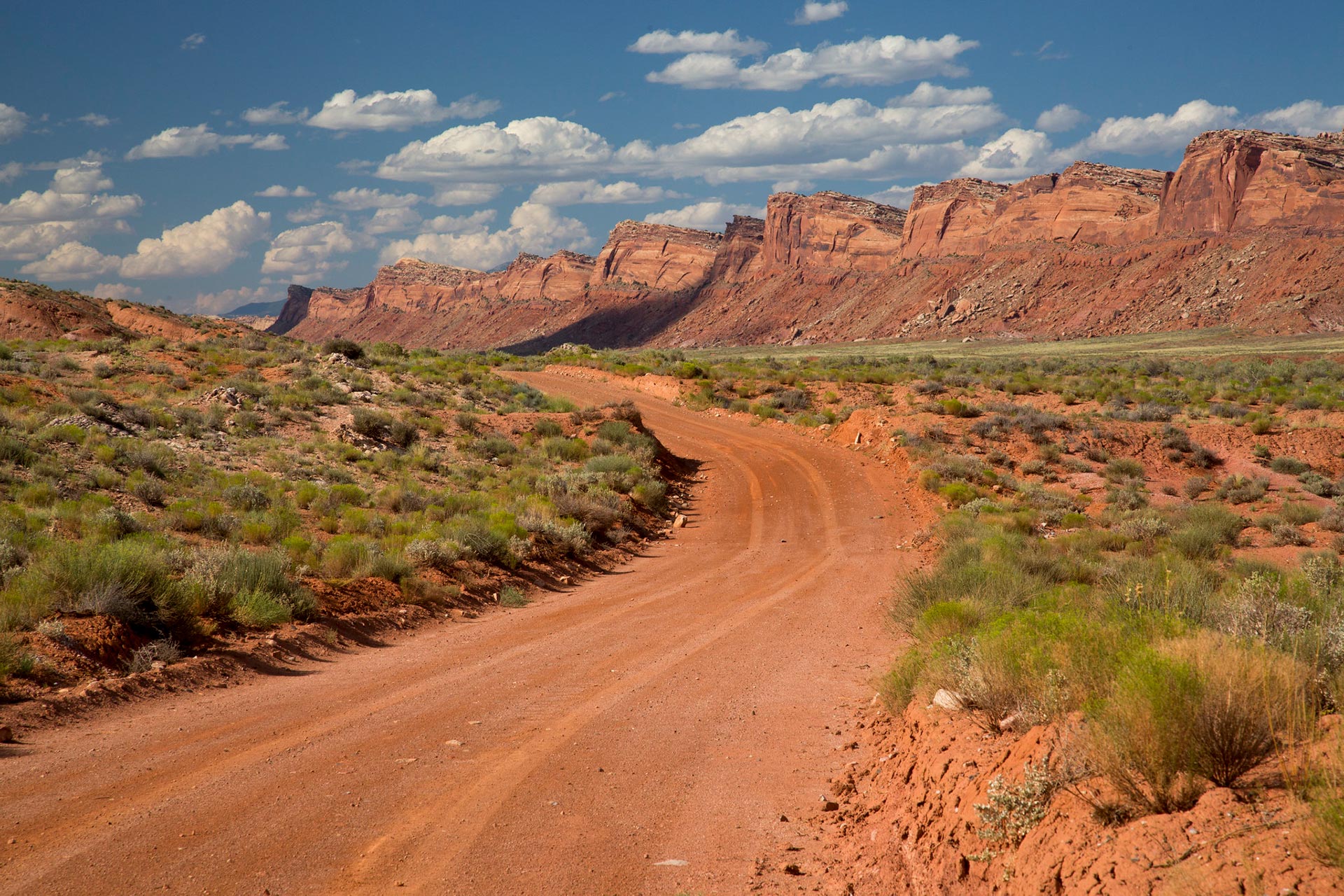
Recent studies find that national monument designations do not negatively impact local economic performance, and in many cases strengthen local economies.
-
How state and local budgets are vulnerable to climate change
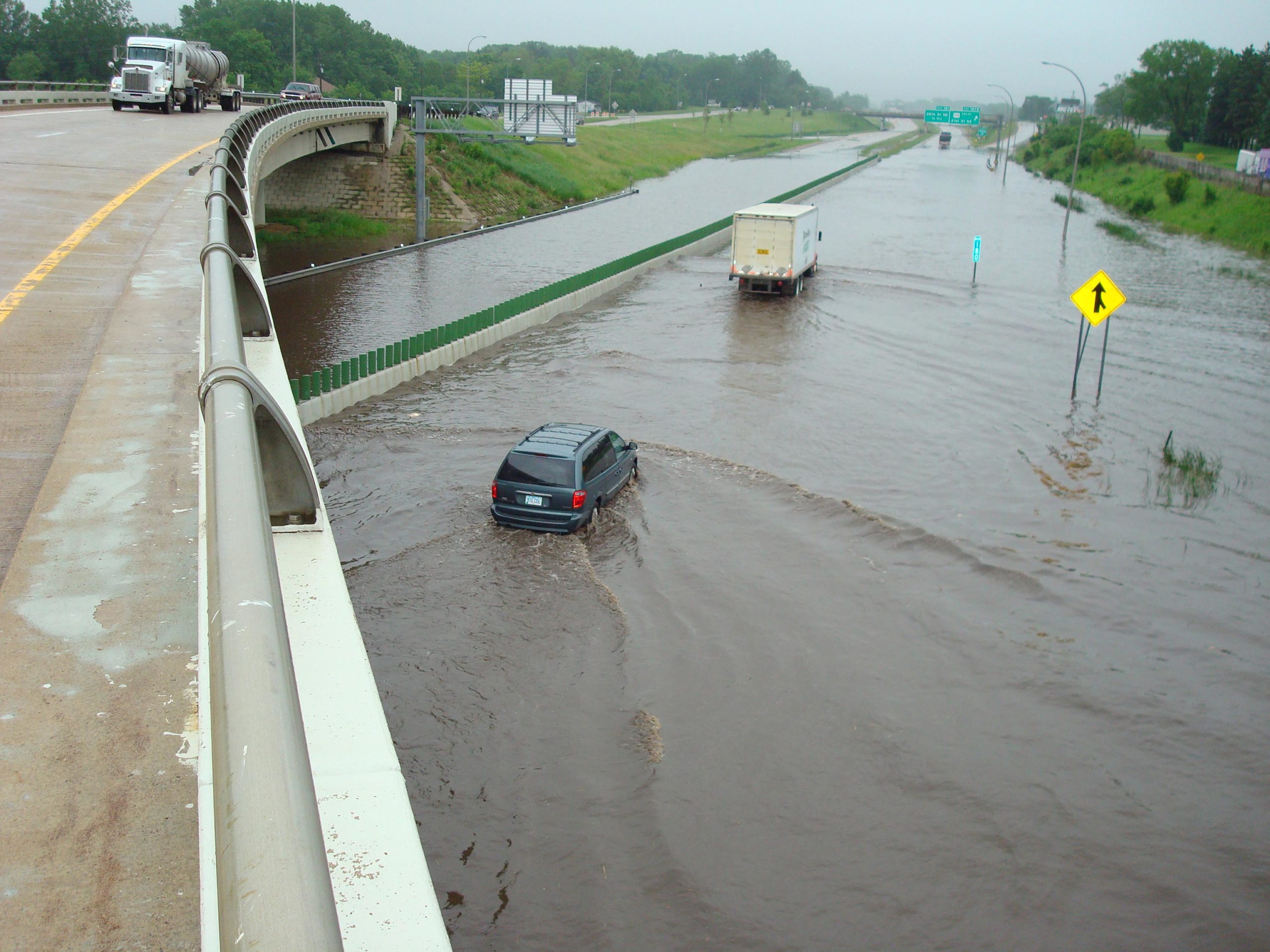
Climate change has the potential to destabilize general operating budgets and constrain access to lending markets. These presentations share promising solutions for “climate-proofing” budgets.
-
Innovative New Ways to Count Outdoor Recreation
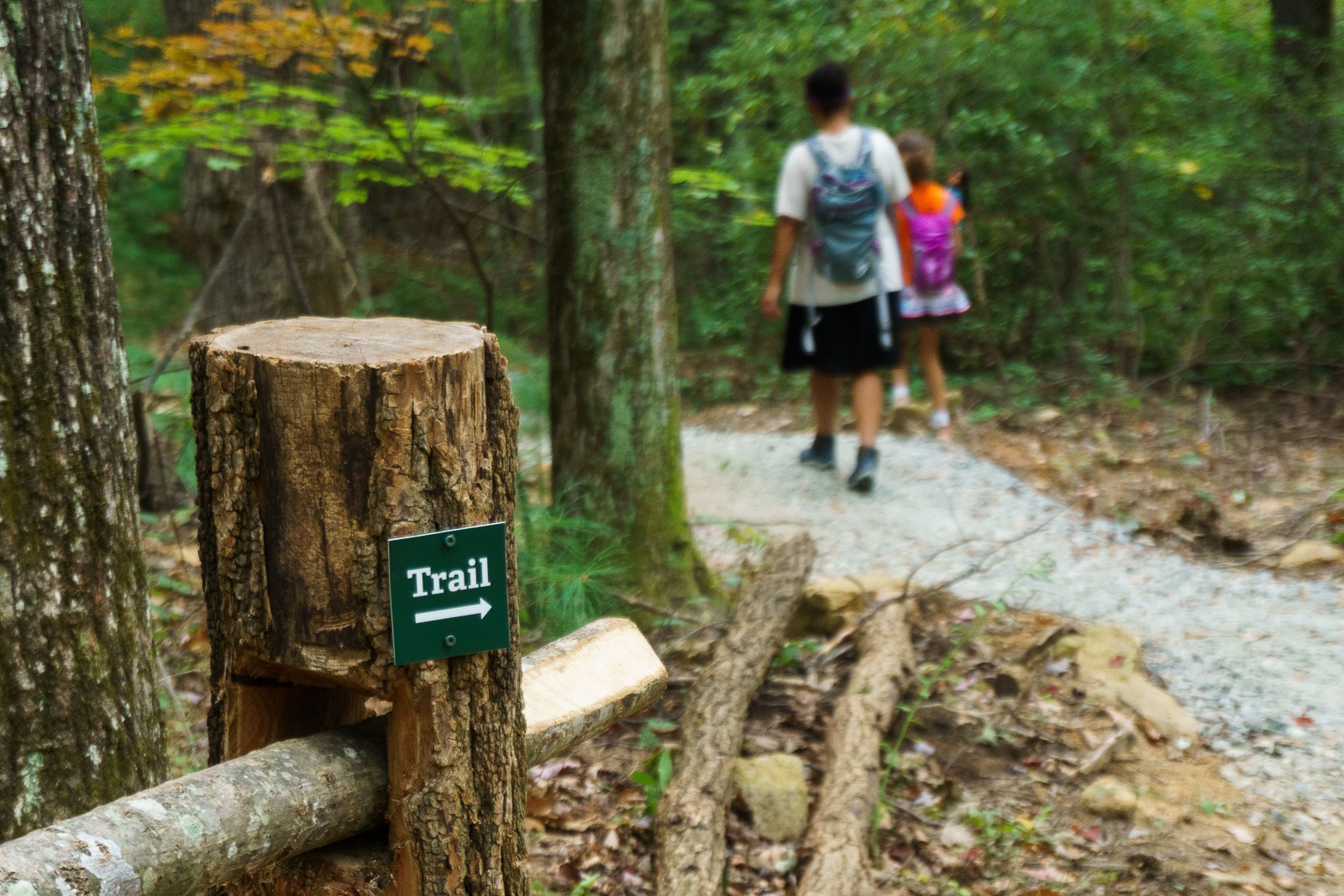
New data sources can change the way we count outdoor recreation, allowing trail managers to better advocate for improvements and plan for growing demand.
-
Wildland-Urban Interface: The Problem, Trends, & Solutions (slides)
Slide show: The wildland-urban interface is growing and wildfires are causing cause more damage. Land use planning is an important solution.
-
Why fiscal policy solutions are necessary
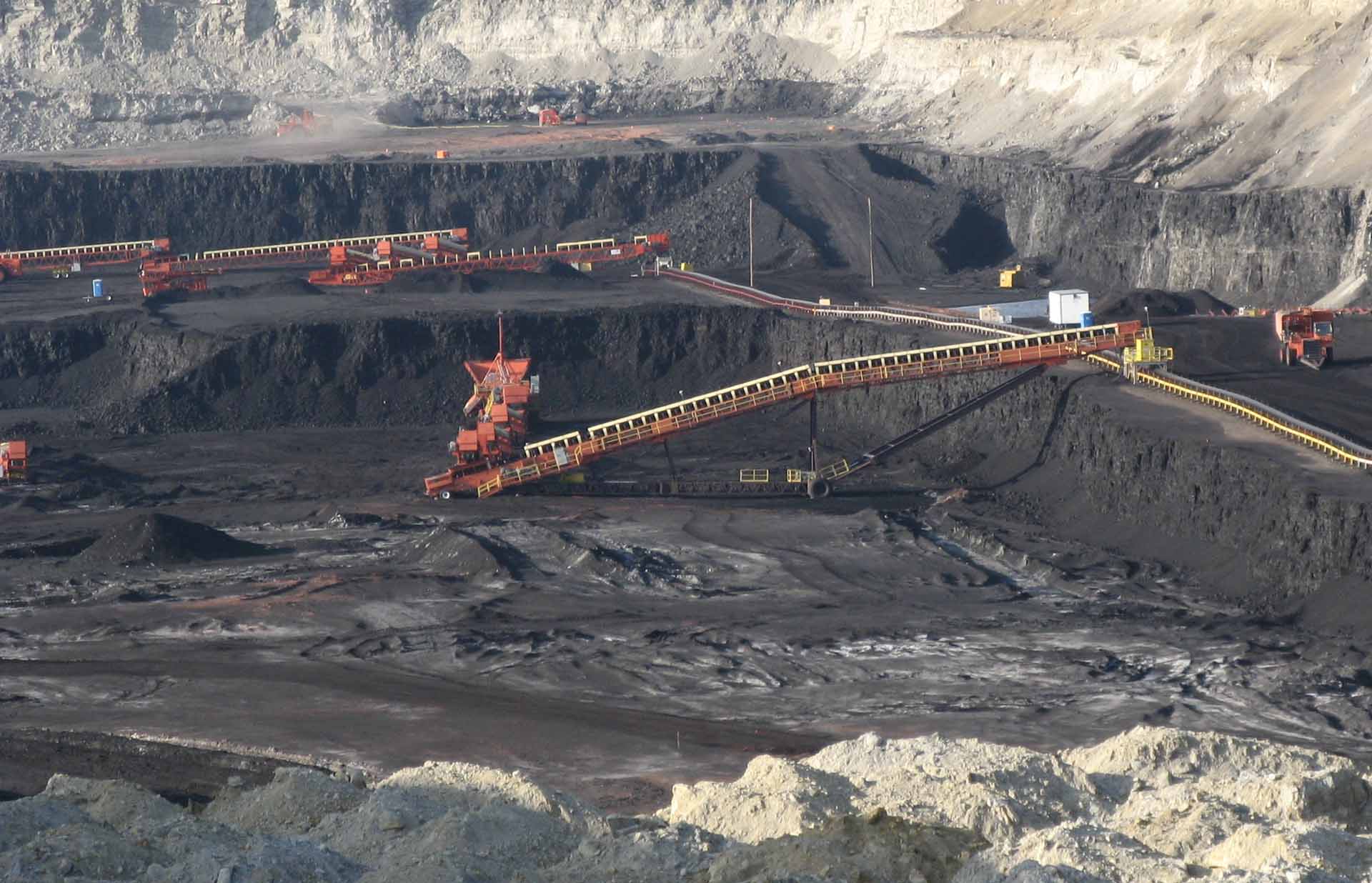
This panel discussion, with examples from Montana and New Mexico, examines how fiscal policies have failed rural communities.
-
Decreasing flood risk in rural communities: a pilot program in Three Forks, Montana
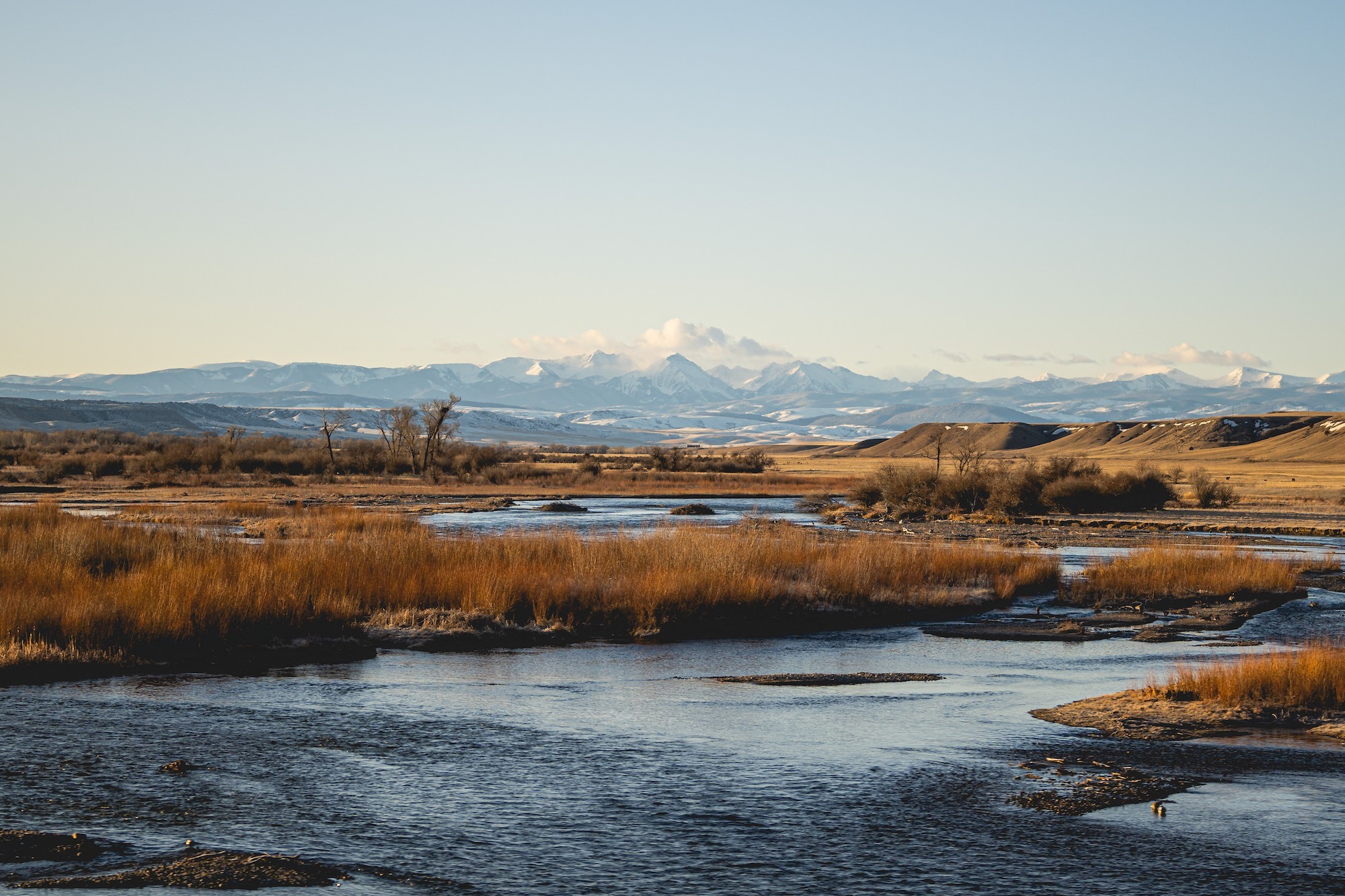
Flood risk is underestimated in the U.S., but better maps and data are not enough to help communities. They must be accompanied with resources to support local action.
-
Wildfire Risk Report for every U.S. community
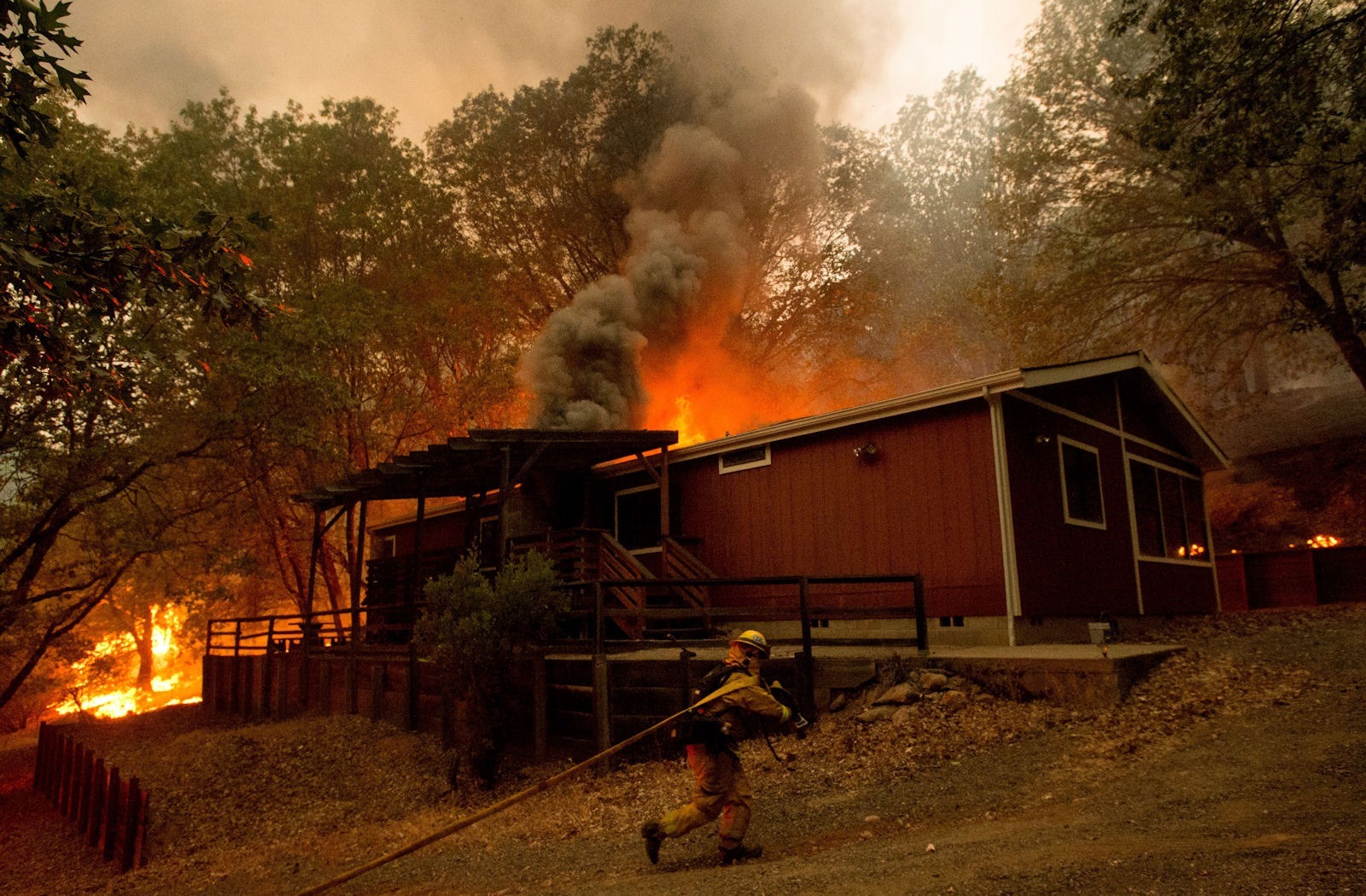
A new report in our Economic Profile System provides community-level data about wildfire hazard and potentially vulnerable populations.
-
Wildfires destroy thousands of structures each year
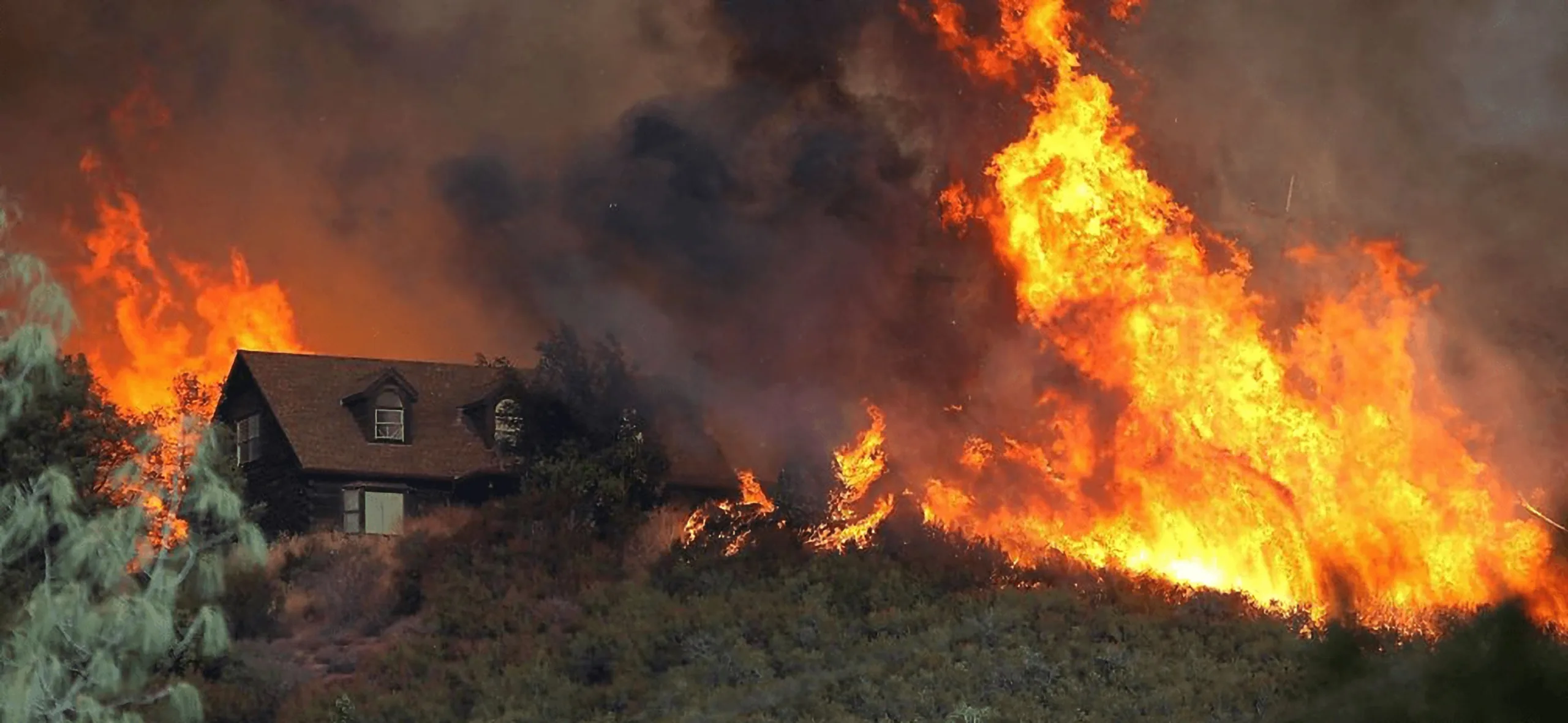
Explore the number of structures destroyed in each state by wildfire. Structures lost—rather than acres burned—provides a more complete measure of the broad impacts of wildfire.
-
Is rural America really doing so badly?

Nearly half of rural communities have grown so much since the 1970s they are now classified as “urban.” Those that remain are diverse, but often have more specialized economies.
-
Outdoor Recreation: A top driver of Wisconsin’s economy

The outdoor recreation economy contributes $7.8 billion, or 2.4% to Wisconsin’s GDP and generates more than 93,000 jobs across diverse sectors.
-
Outdoor Economy Conference: How to Build an Outdoor Community (slides)

Slide show: Ray Rasker’s keynote to the 2020 Outdoor Economy Conference highlights ways to build an outdoor community.
-
Fiscal policy is failing rural America
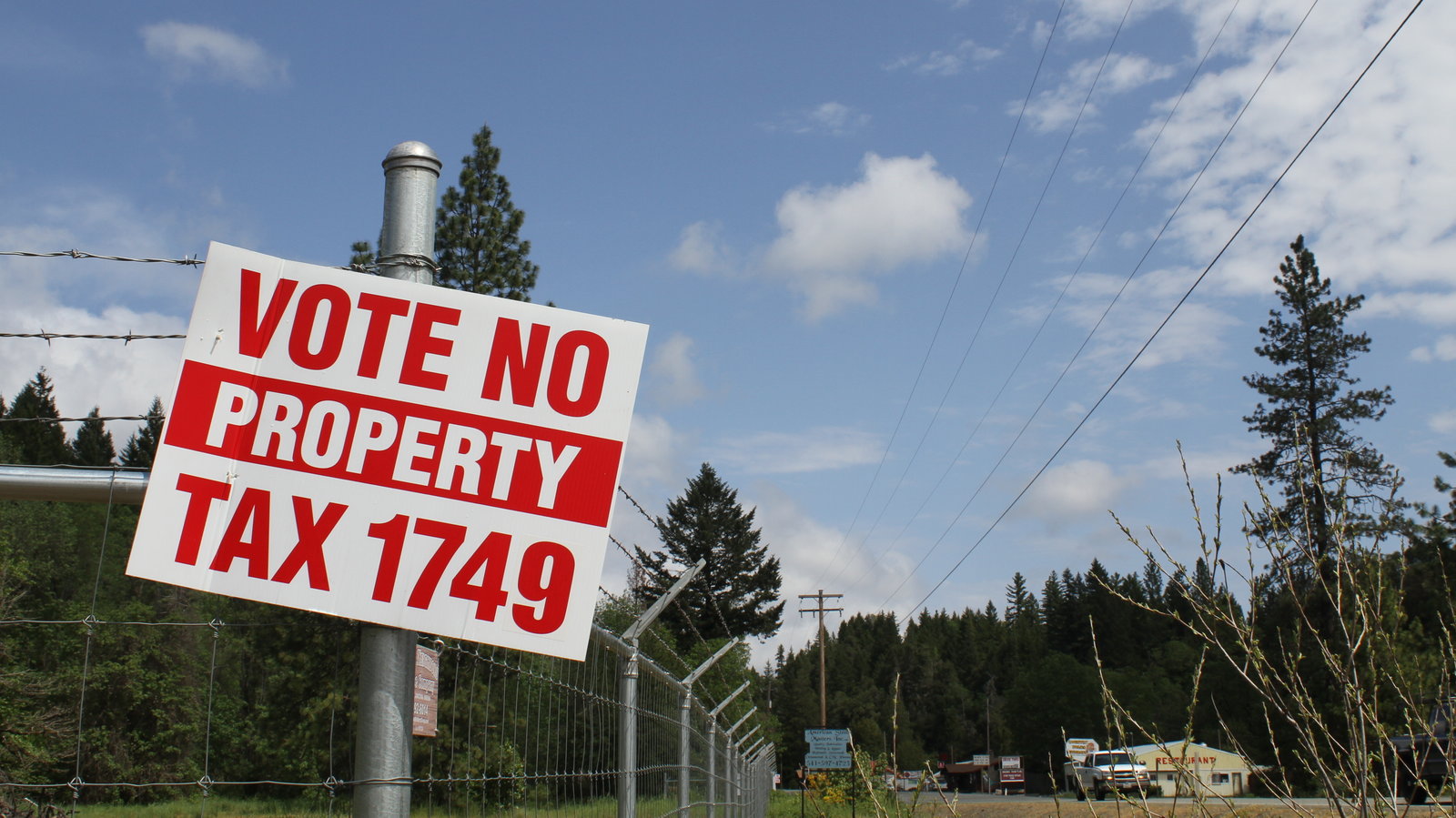
State and federal fiscal policies hurt rural communities by limiting how local governments can grow, diversify, and invest revenue.
-
Montana wildfire risk is widespread and growing
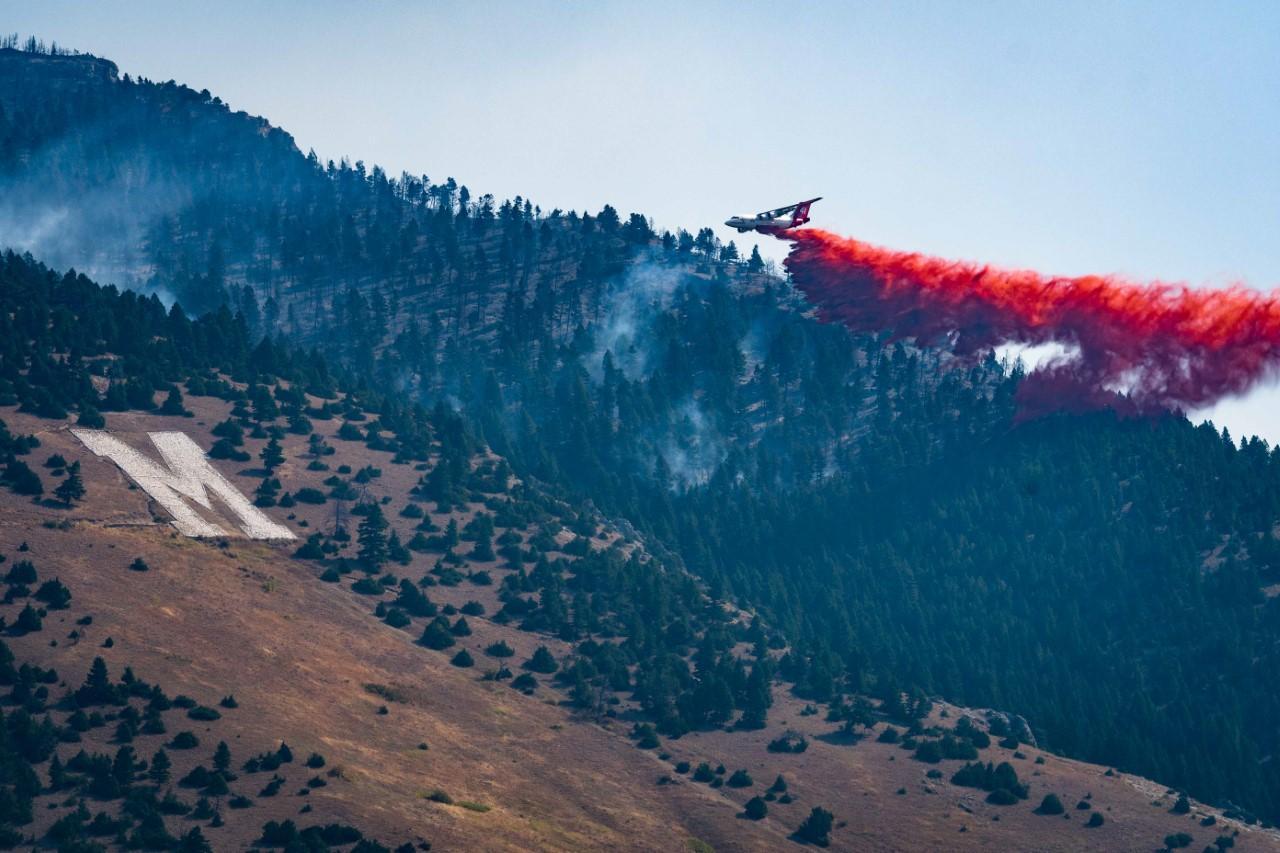
The number of western Montana homes in areas with high wildfire hazard has doubled, outpacing development rates in areas with low wildfire hazard.
-
How communities reduce flood risk: five midwestern case studies
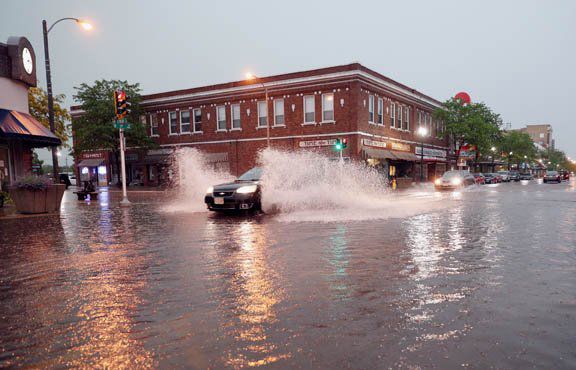
Communities highlighted in this report have successfully reduced flood risk through strategic partnerships, innovative solutions, and creative funding.
-
Building funding strategies for flood mitigation projects
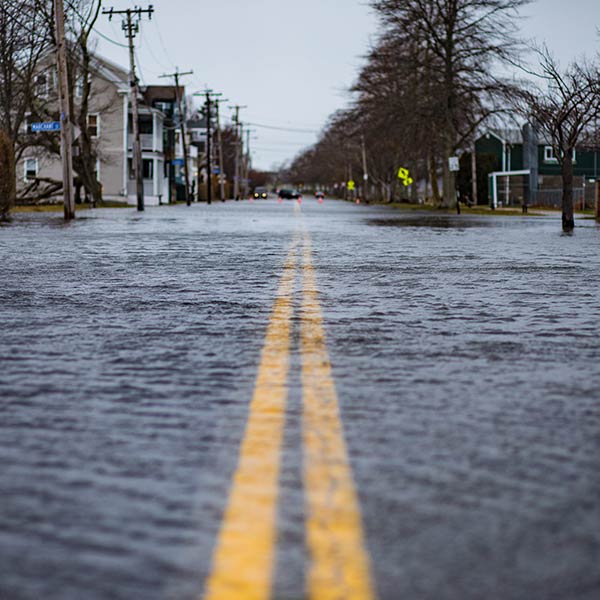
This guide provides advice for developing funding strategies for flood mitigation projects, including where to find funding and how to make an economic pitch for mitigation projects.
-
Community resilience in the era of megafires
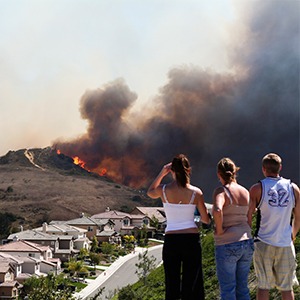
Kimiko Barrett, Ph.D., demonstrates how community resilience to wildfire needs to include planning and adaptation strategies for homes and neighborhoods.
-
Community benefits of the Merced River Trail

The Merced River Trail in Mariposa County, California will create benefits for the economy and businesses, quality of life, and public health.
-
Communities threatened by wildfires, 2000-2019
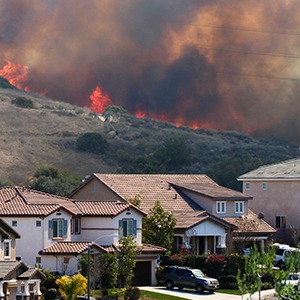
From 2000-2019, nearly 2,000 U.S. communities were threatened by wildfires or potential ember spread, showing the need for adaptive planning strategies.
-
Census response rates in communities of color

People of color are at a high risk of being undercounted in the 2020 Census, jeopardizing federal funding, social services, and government representation.
-
Census response rates in Asian Communities

Asian communities are at a high risk of being undercounted in the 2020 Census, jeopardizing federal funding, social services, and government representation.
