-

The first publicly available county-level dataset of federal disaster declarations and denials offers insights for communities that may be impacted by FEMA reform. Read more
-
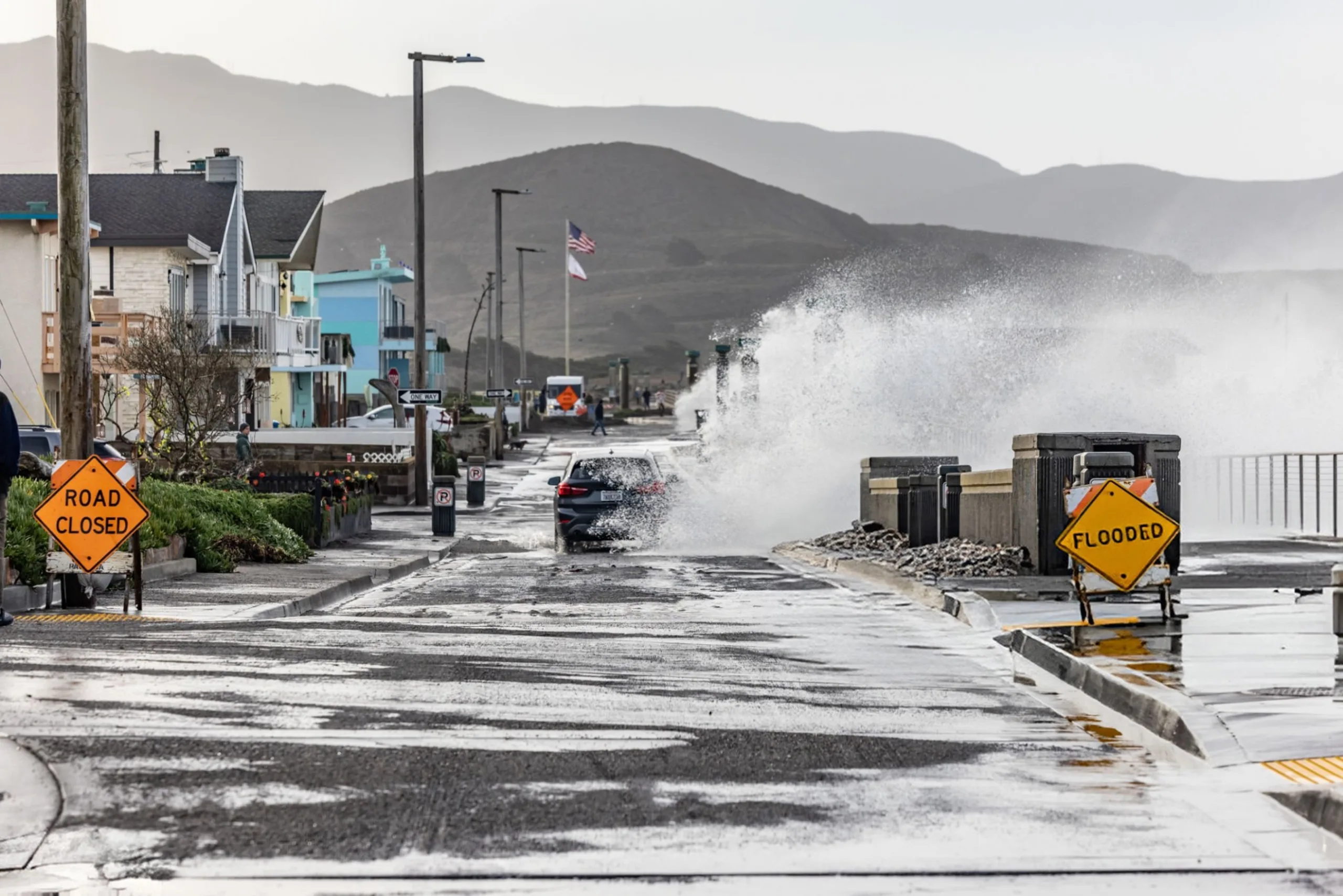
Projects that prepare communities to resist wildfire and flooding can save money in the long run, but they can be hard to finance upfront. Headwaters Economics has created two guides to help local leaders identify sustained funding strategies for resilience projects. Read more
-

More than half of the culverts protecting roads from flooding in the United States do not meet modern design standards, endangering communities and local economies. New standards and replacement programs must be adopted. Read more
-
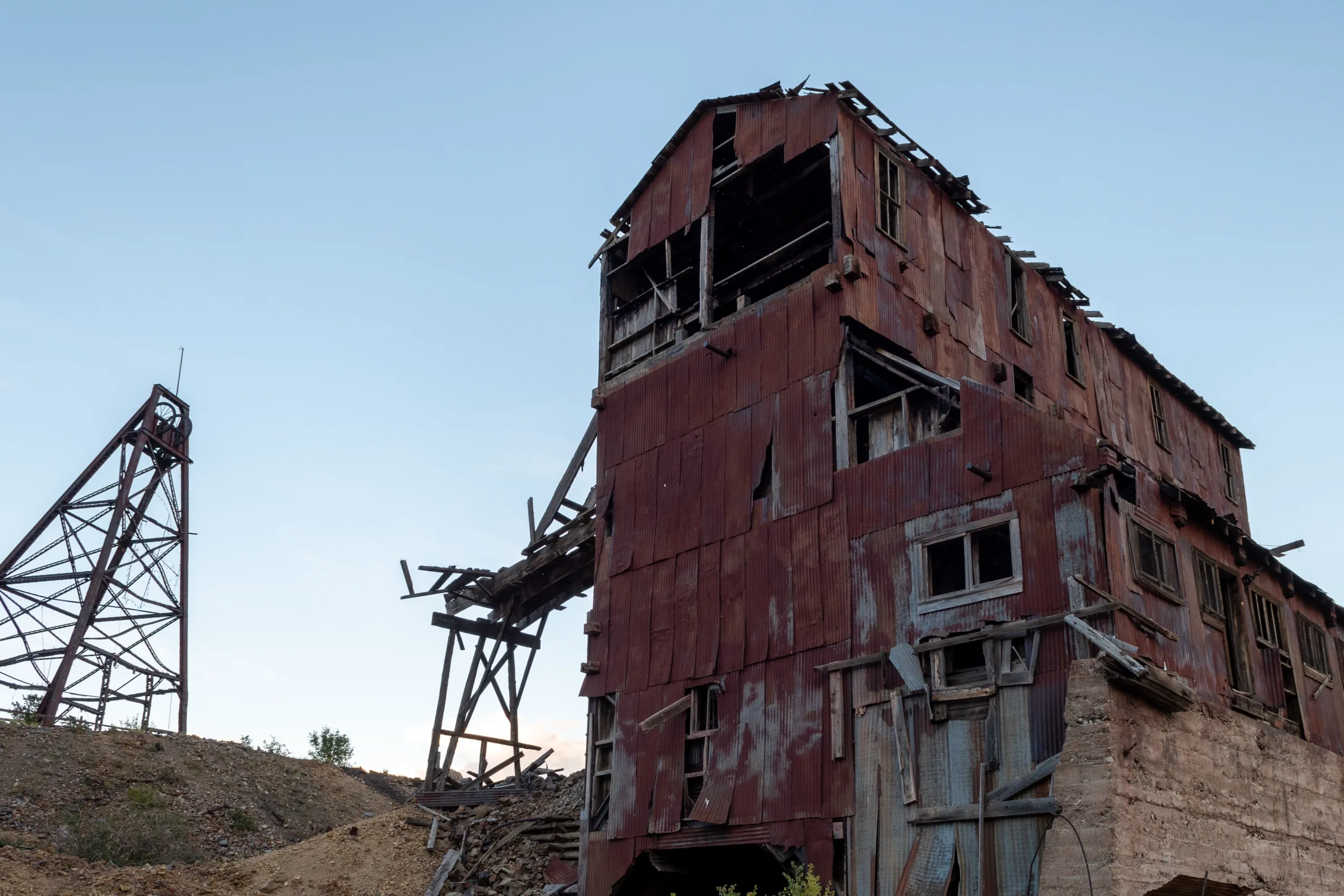
More than 68,000 abandoned or inactive mines in areas with high flood risk endanger people and places across the U.S. Read more
-
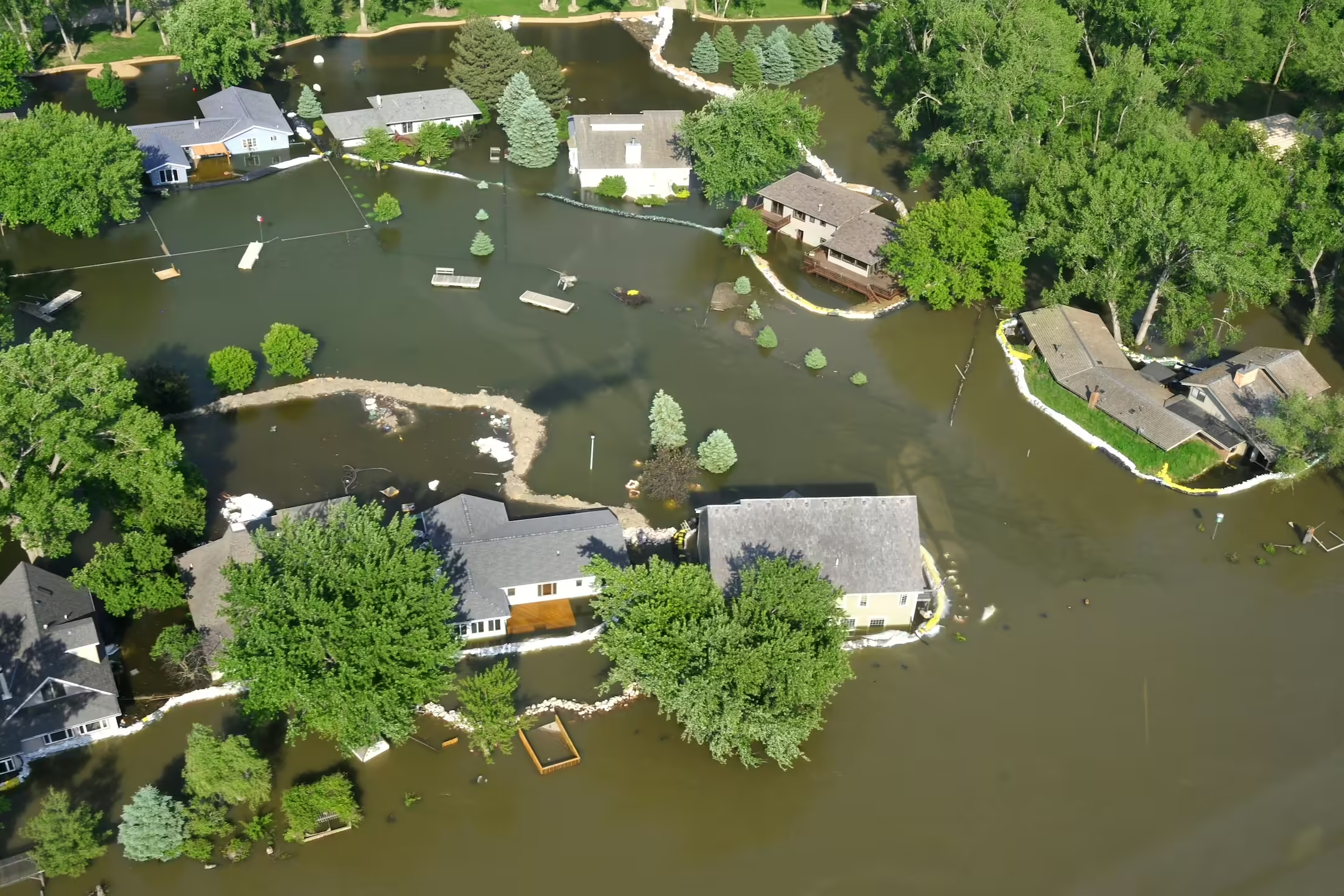
An analysis of FEMA’s BRIC program for climate adaptation and disaster resilience funding shows rising demand, but unequal access. Read more
-
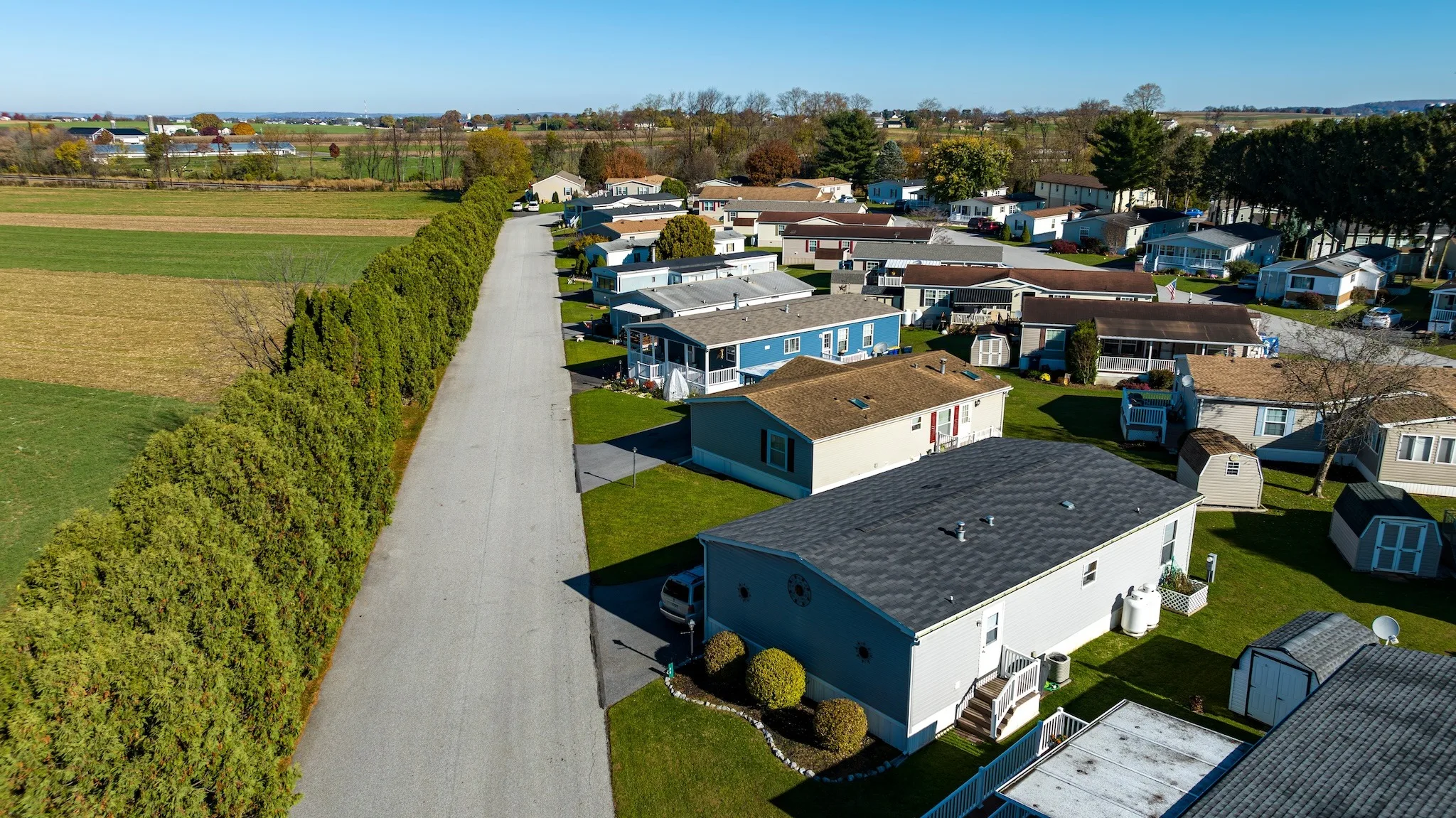
Many mobile home parks face higher flood risk and relocation may be the best option. A review of 12 mobile home park buyout projects illustrates how policy innovation and resident engagement can increase success. Read more
-
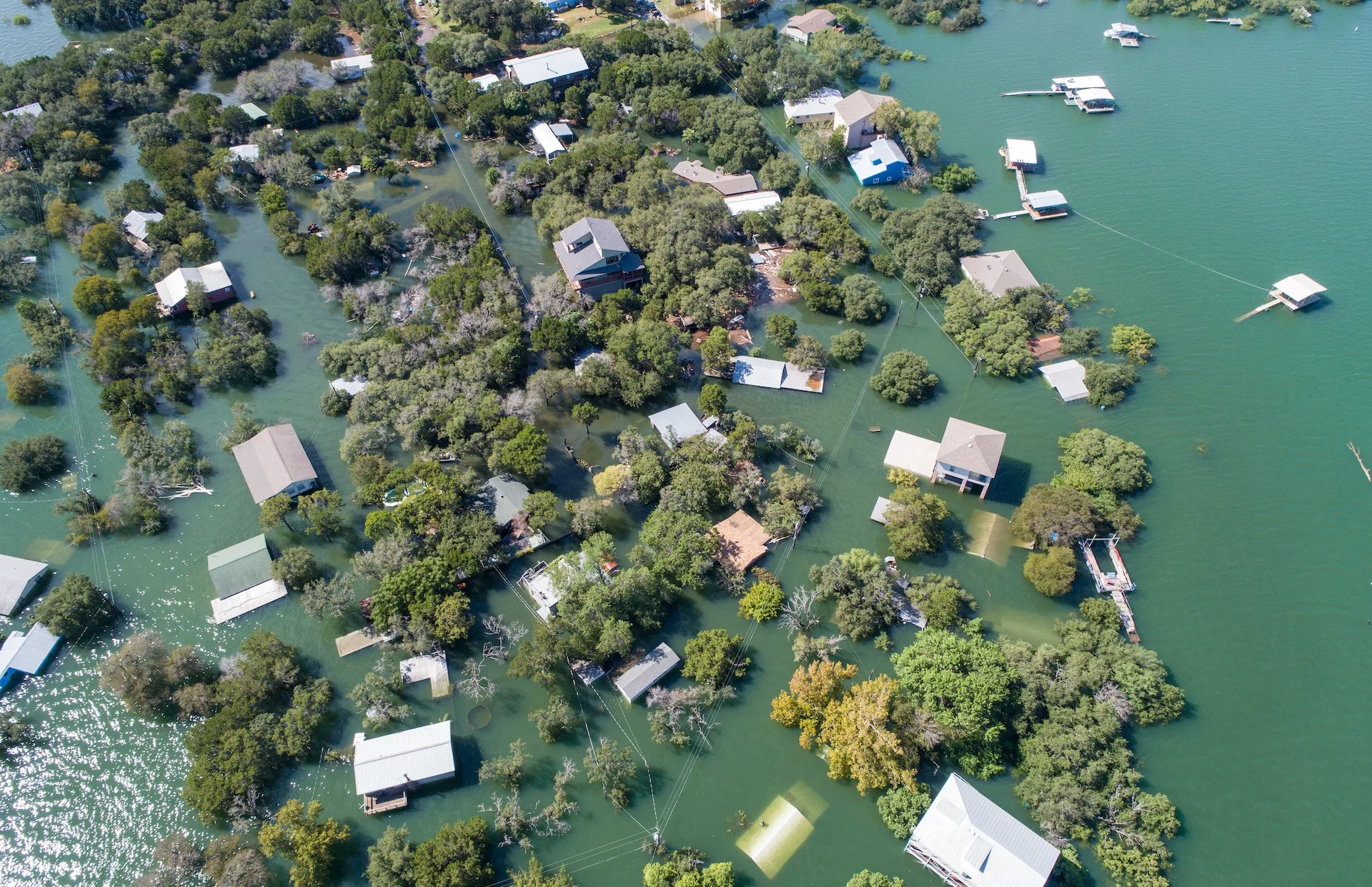
Headwaters Economics and the Hispanic Access Foundation have released a report that shows that 44% of Latinos live in counties with high flood risk, as opposed to 35% of non-Latinos. Read more
-
Headwaters Economics y Hispanic Access Foundation han publicado un reporte que muestra que el 44% de los latinos viven en condados con un alto riesgo de inundaciones, en contraste con el 35% de los no latinos. Read more
-
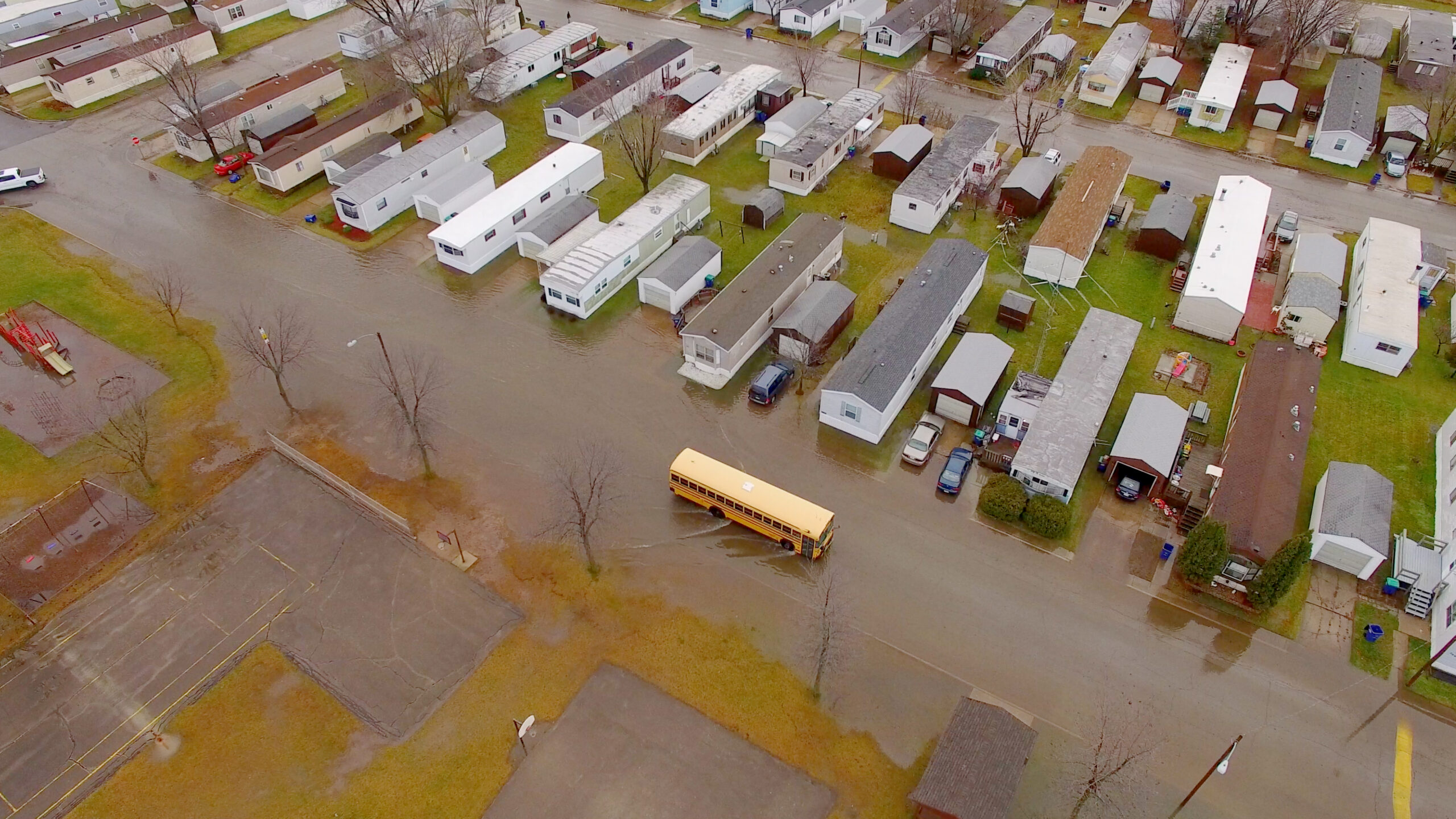
Headwaters Economics has conducted an analysis of flood and socioeconomic data to illustrate where flood risks disproportionality affect vulnerable populations. Read more
-
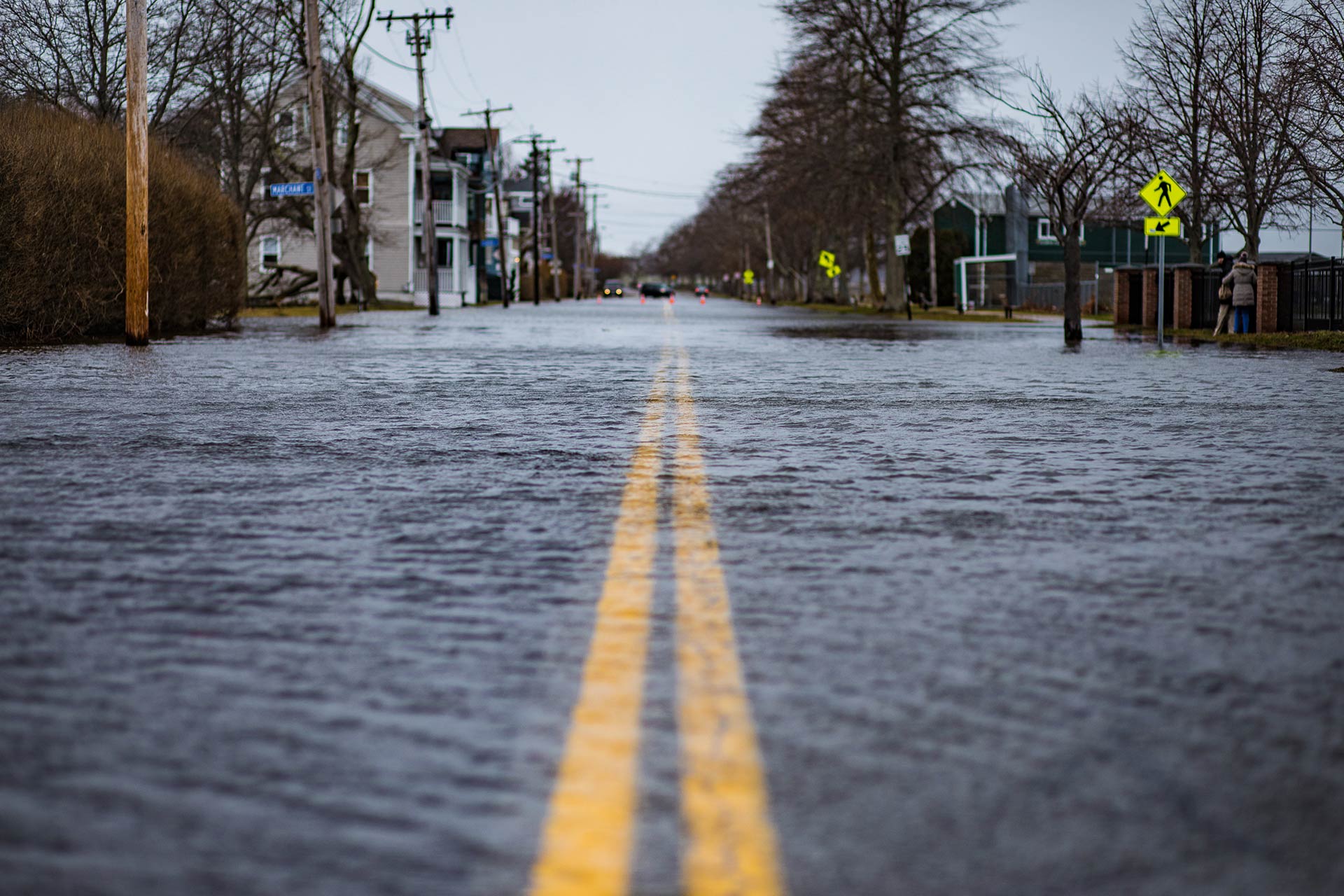
Headwaters Economics has analyzed the latest project selections announced by the Federal Emergency Management Agency for its Building Resilient Infrastructure and Communities (BRIC) grant program. Read more
-
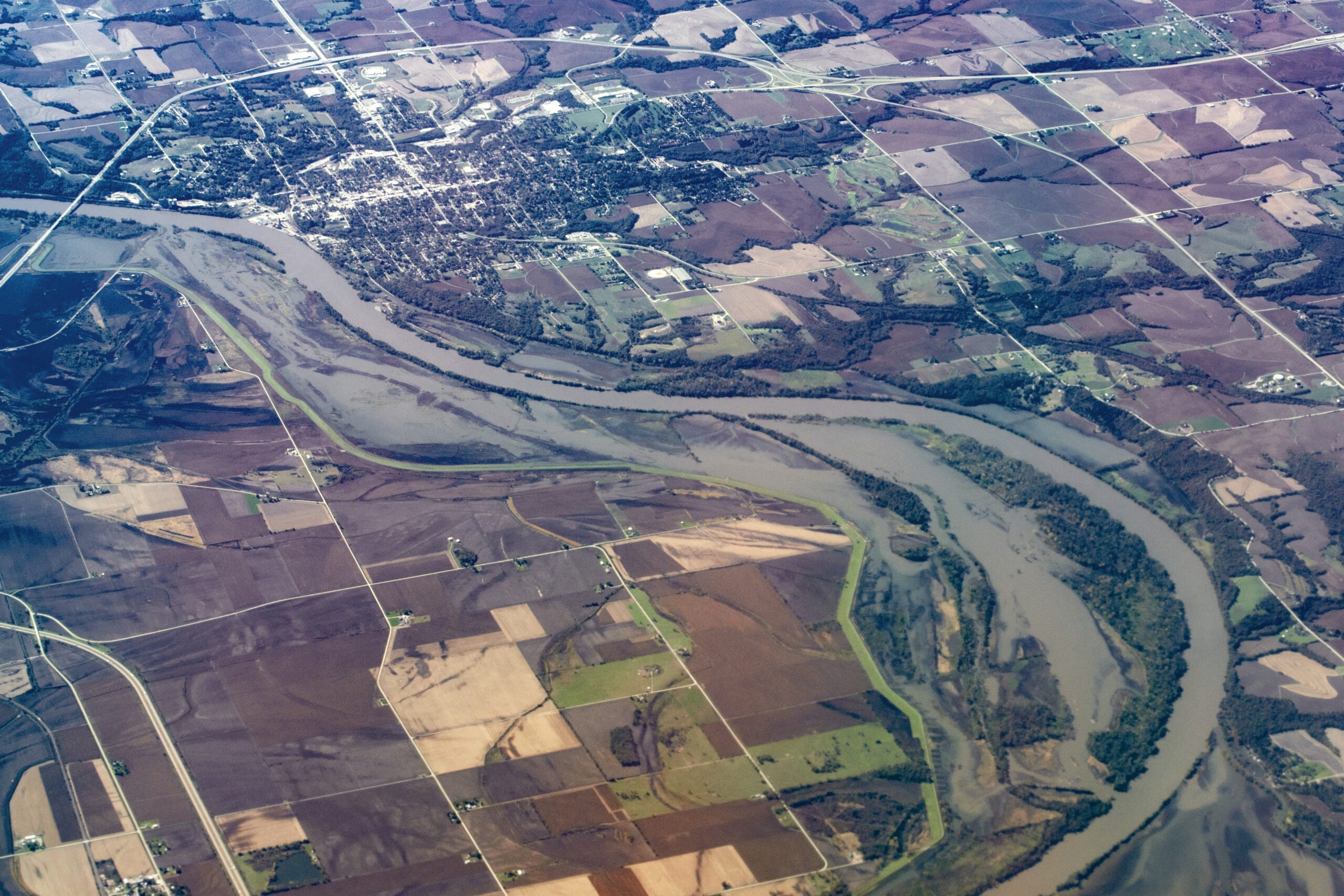
A regional approach to flood risk can help communities pool resources and implement effective solutions. Five case studies offer lessons. Read more
-

Many federal grant programs require communities to provide a local match, creating barriers for rural and underserved places. Read more
-

Green infrastructure can provide long-term, cost-effective solutions to flooding and can help communities adapt to climate change. We provide a cost breakdown for eight green infrastructure practices. Read more
-
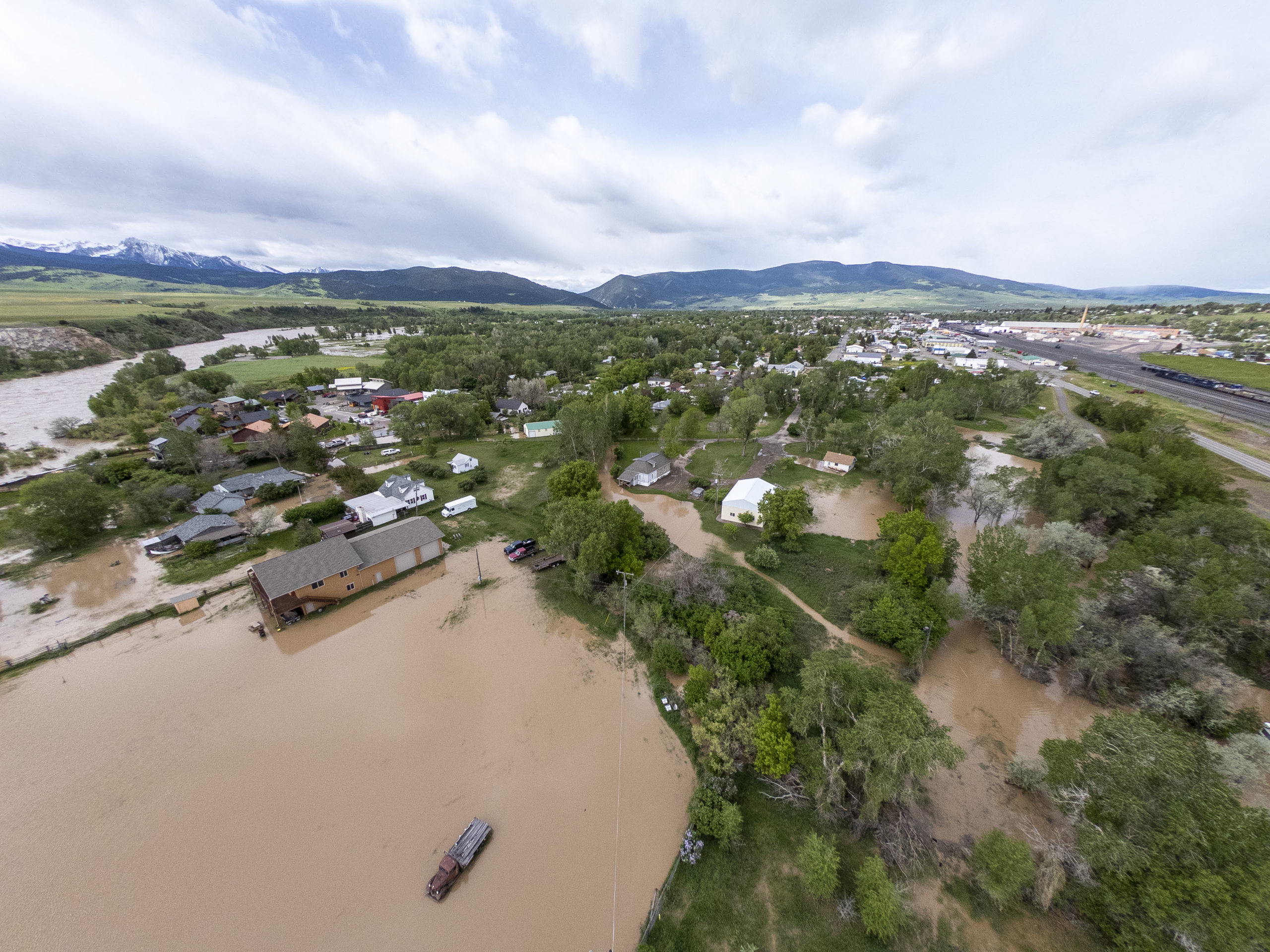
Montana’s mobile home residents face disproportionate flood risk and traditional solutions leave them behind. Read more
-
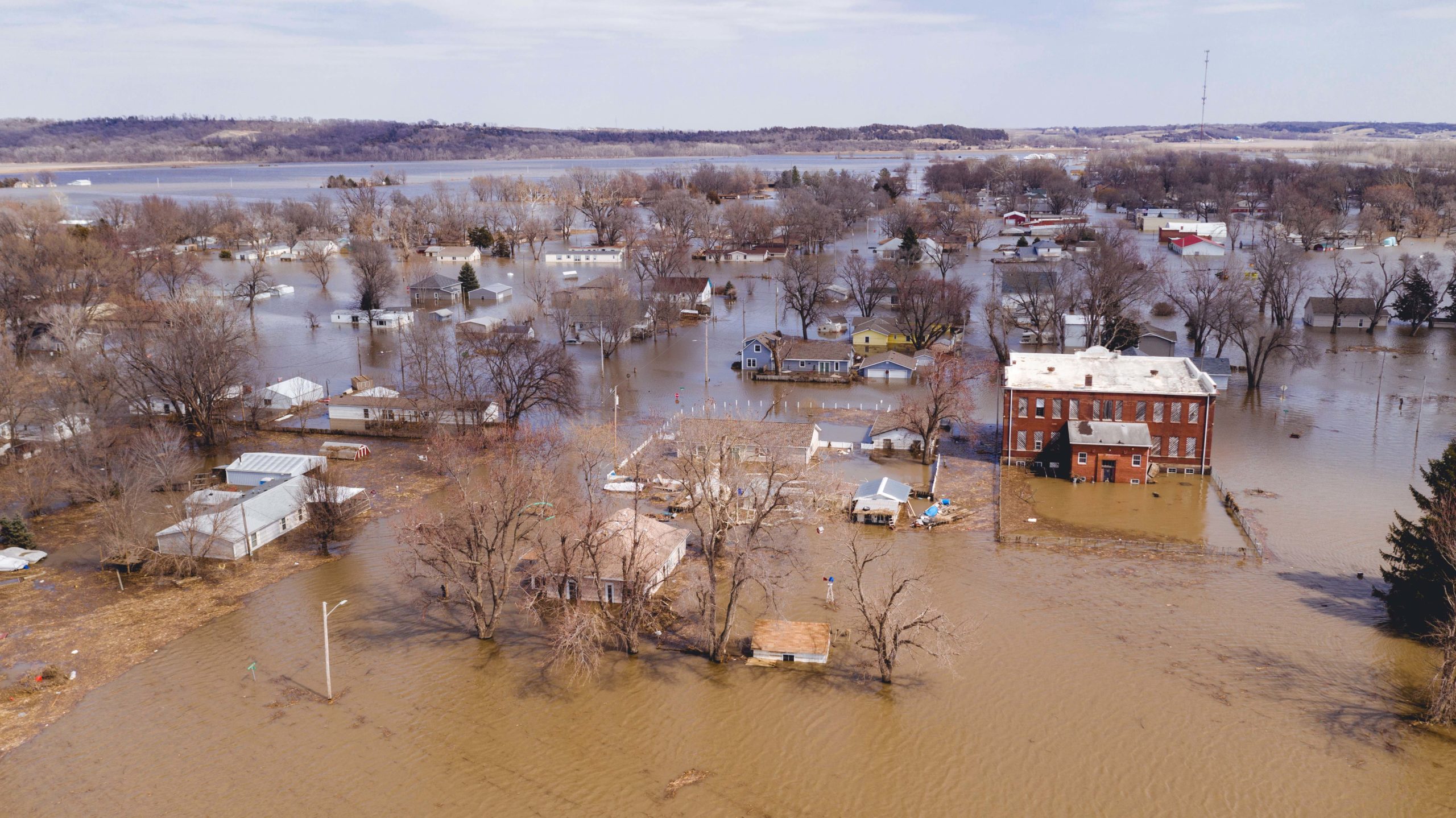
Places with lower capacity are failing to get funding through FEMA’s flagship grant program, Building Resilient Infrastructure and Communities (BRIC). Read more
-
Communities need resilient revenue strategies to fund the long-term costs of capital improvements and infrastructure. Read more
-

Mobile homes are the most common unsubsidized, affordable housing in the United States but have disproportionately higher flood risk than other housing types. Read more
-
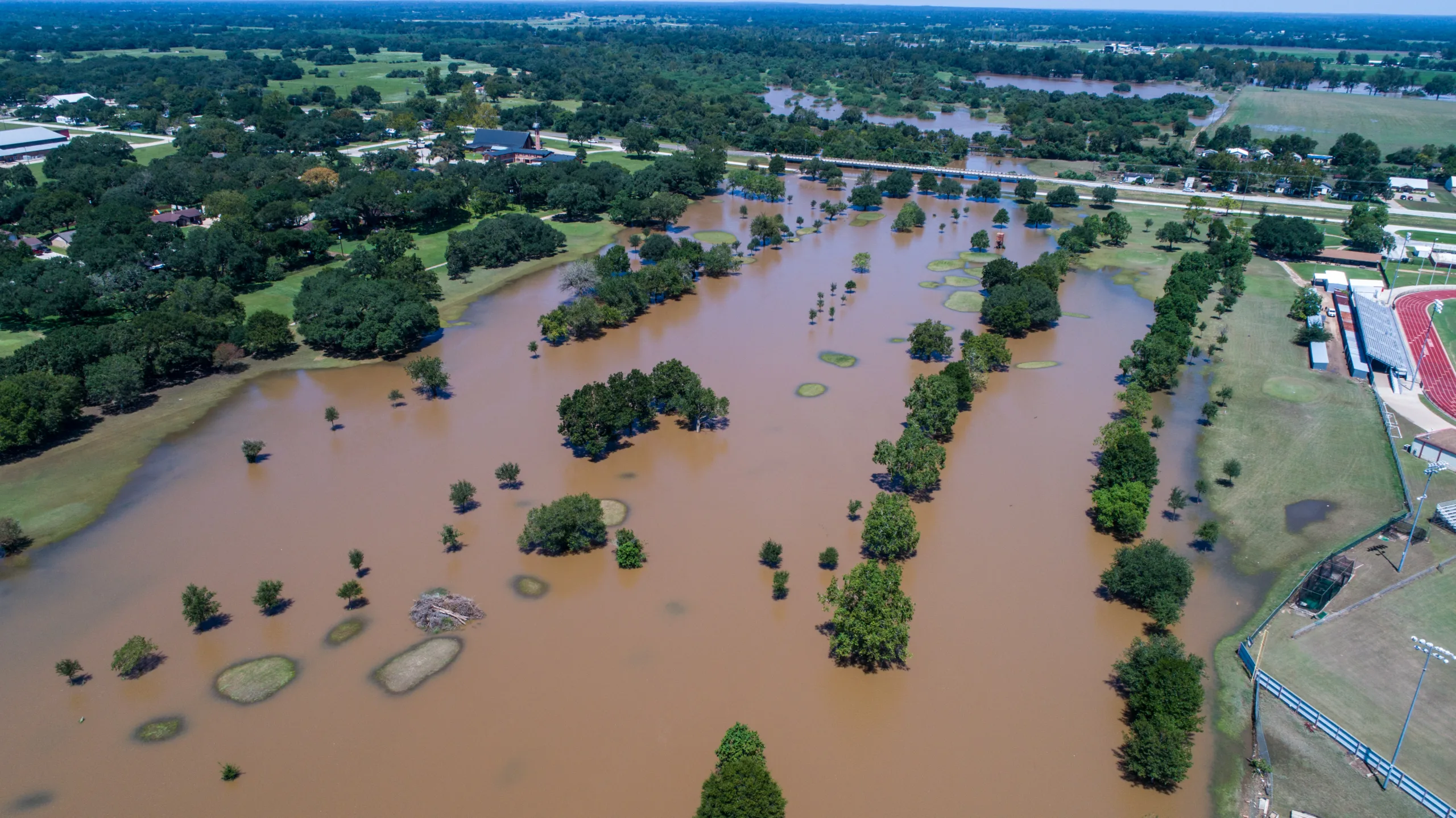
Benefit-cost analysis, required for many federal funding sources, puts smaller, rural, and low-income communities at a disadvantage. Read more
-
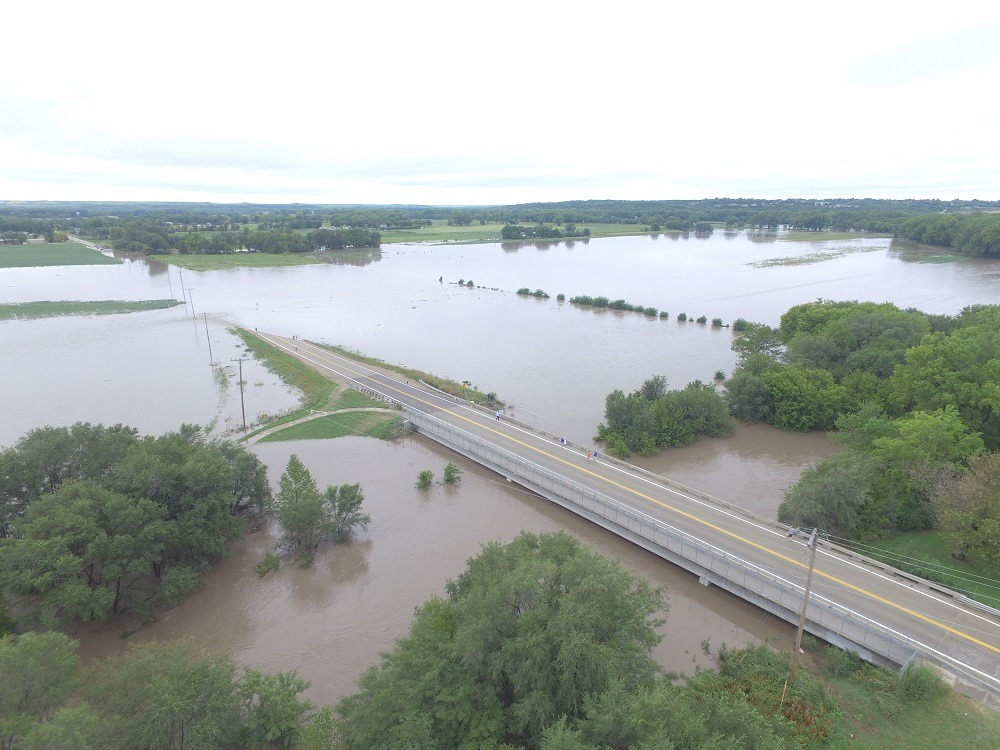
Rural and lower capacity communities failed to successfully compete for FEMA Building Resilient Infrastructure and Communities (BRIC) funding in FY 2020. Read more
-
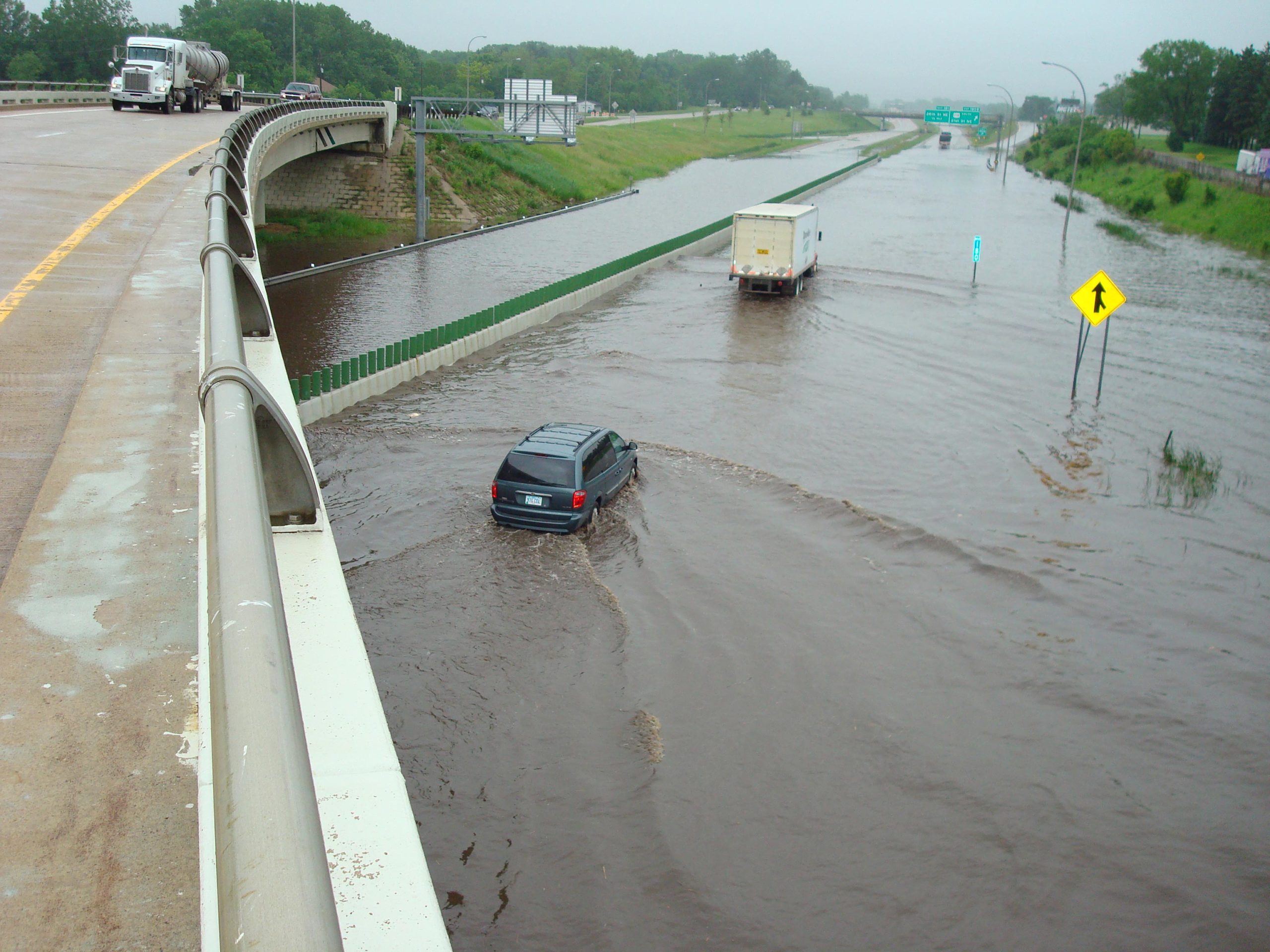
Climate change has the potential to destabilize general operating budgets and constrain access to lending markets. These presentations share promising solutions for “climate-proofing” budgets. Read more
