-
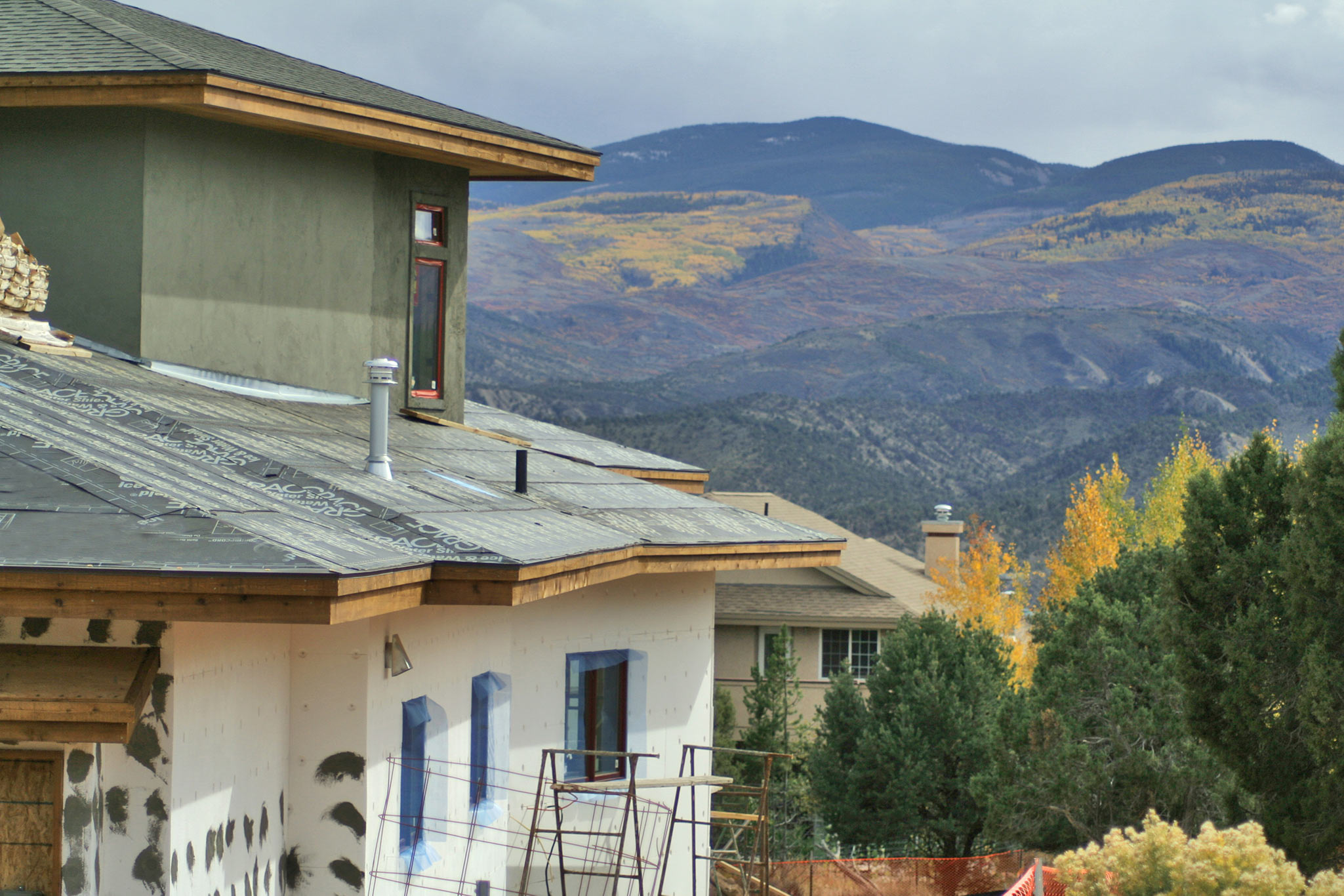
Recreation dependence, population growth from new residents, and income inequality are strongly associated with less affordable housing in non-metro counties. Read more
-

For millions of Americans experiencing food insecurity with low incomes, low food access, and no car, putting healthy food on the table is a logistical nightmare. Read more
-
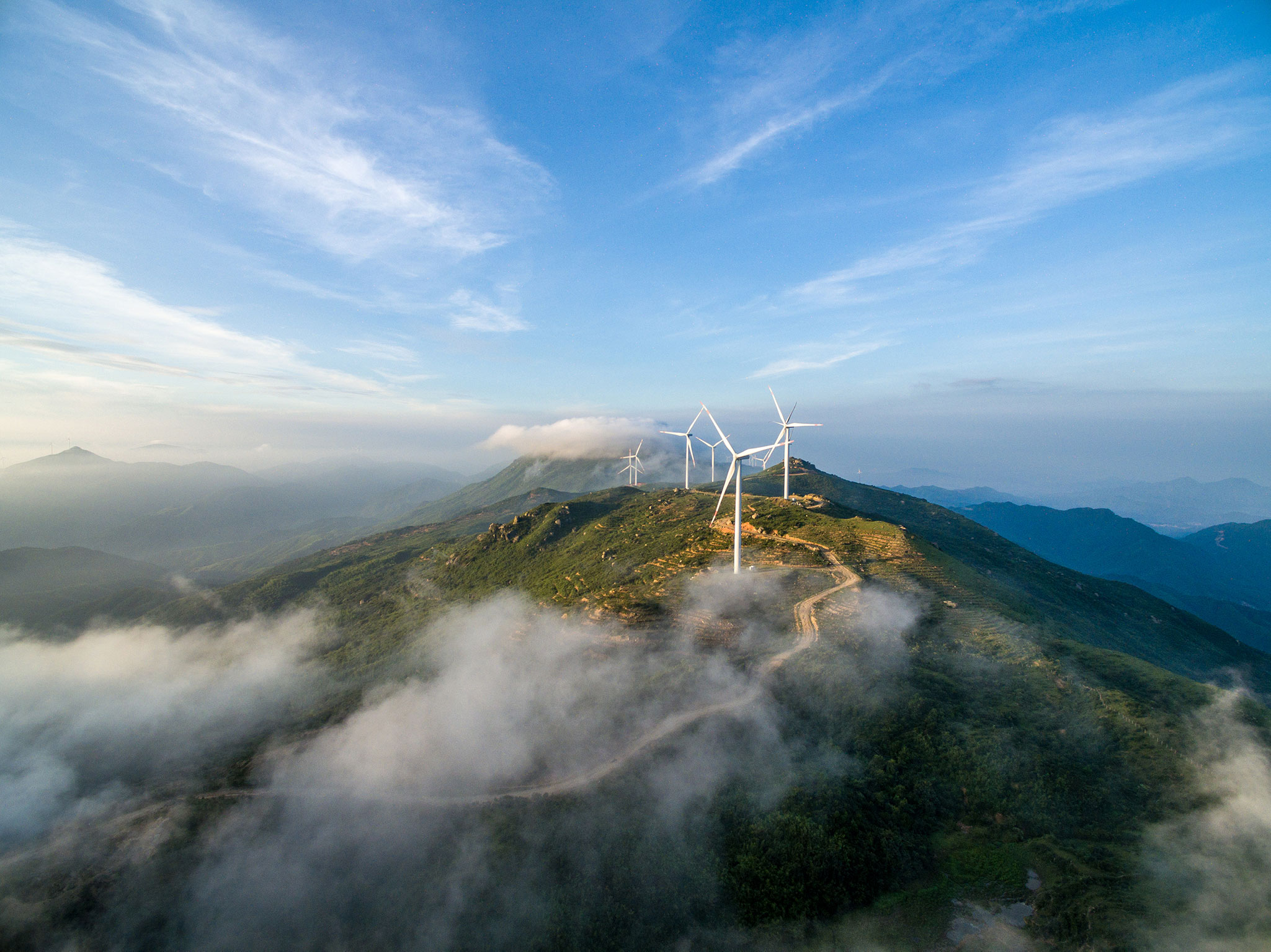
Most U.S. states are adding electricity generation capacity faster than capacity is being retired. Renewable energy adds the most capacity in 18 states. Read more
-
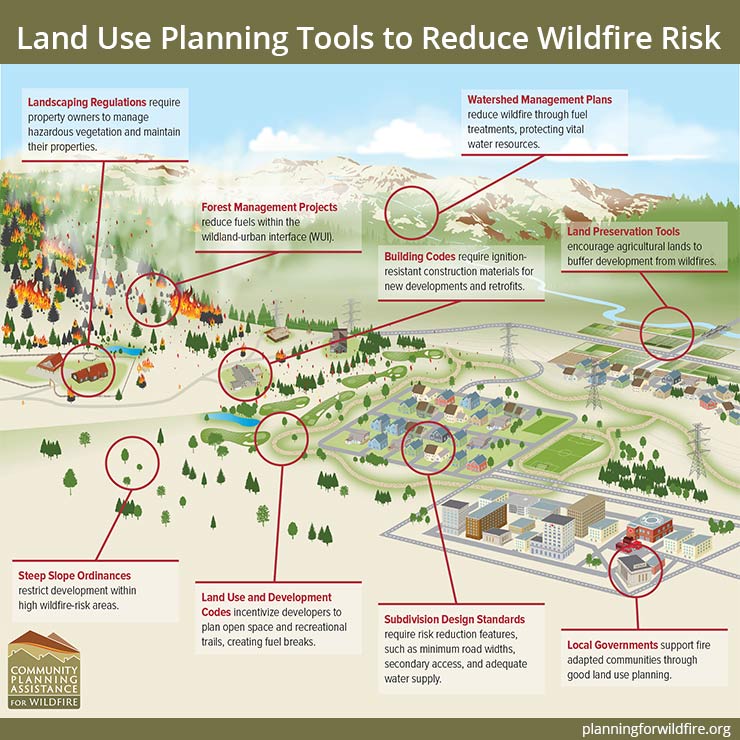
Land use planning can help communities become fire-adapted and resilient in the face of increasing wildfire potential. Read more
-
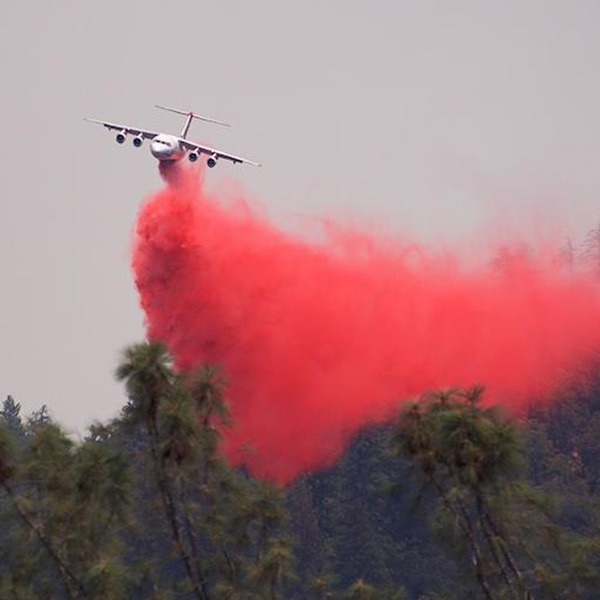
Federal wildfire policy that emphasizes suppression—a legacy of early-1900s forest management—has resulted in a paradox: accumulated fuels and larger, more severe wildfires. Read more
-
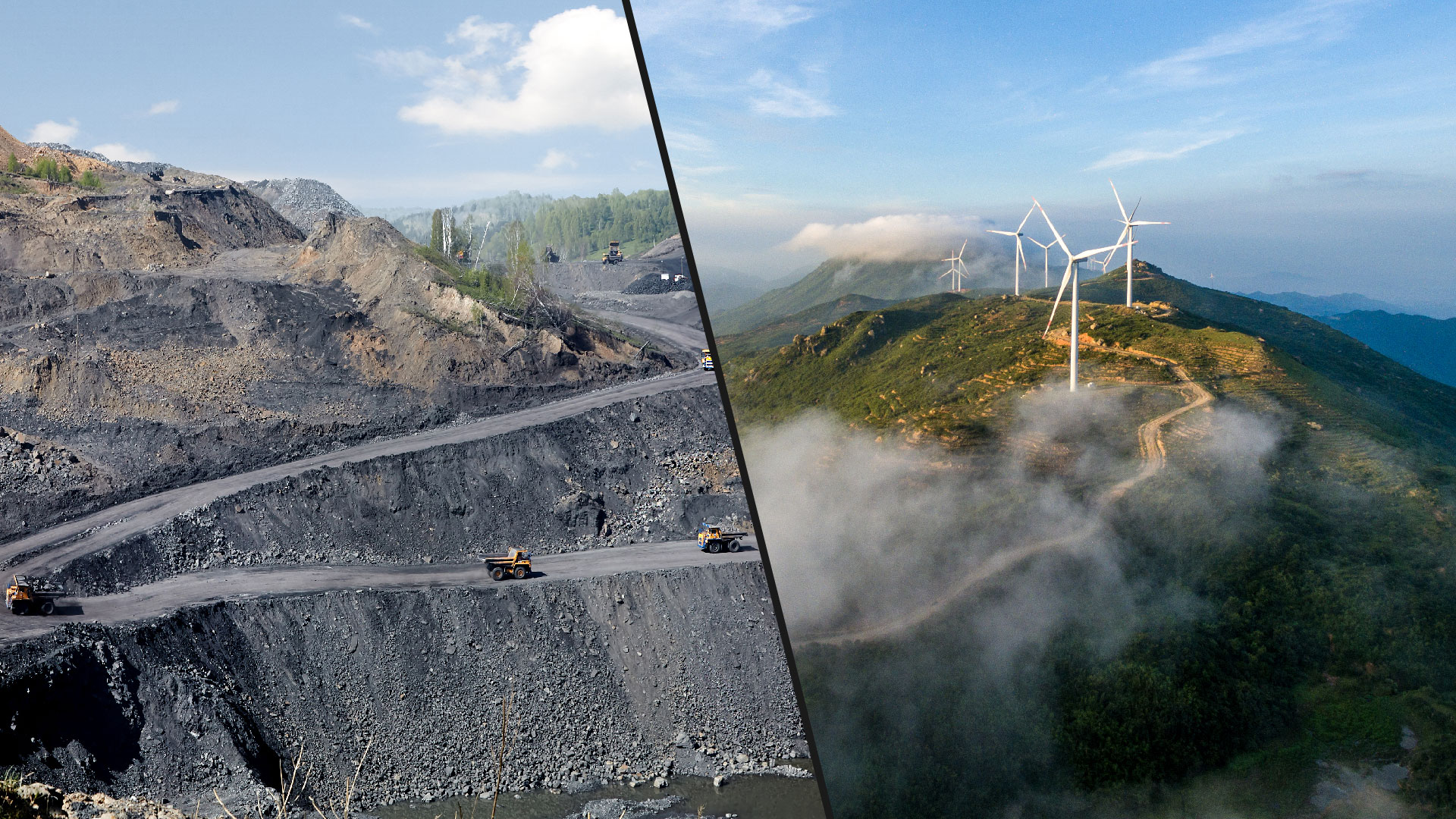
The capacity to generate electricity has transitioned from coal to natural gas to renewable energy, a trend projected to continue. Read more
-
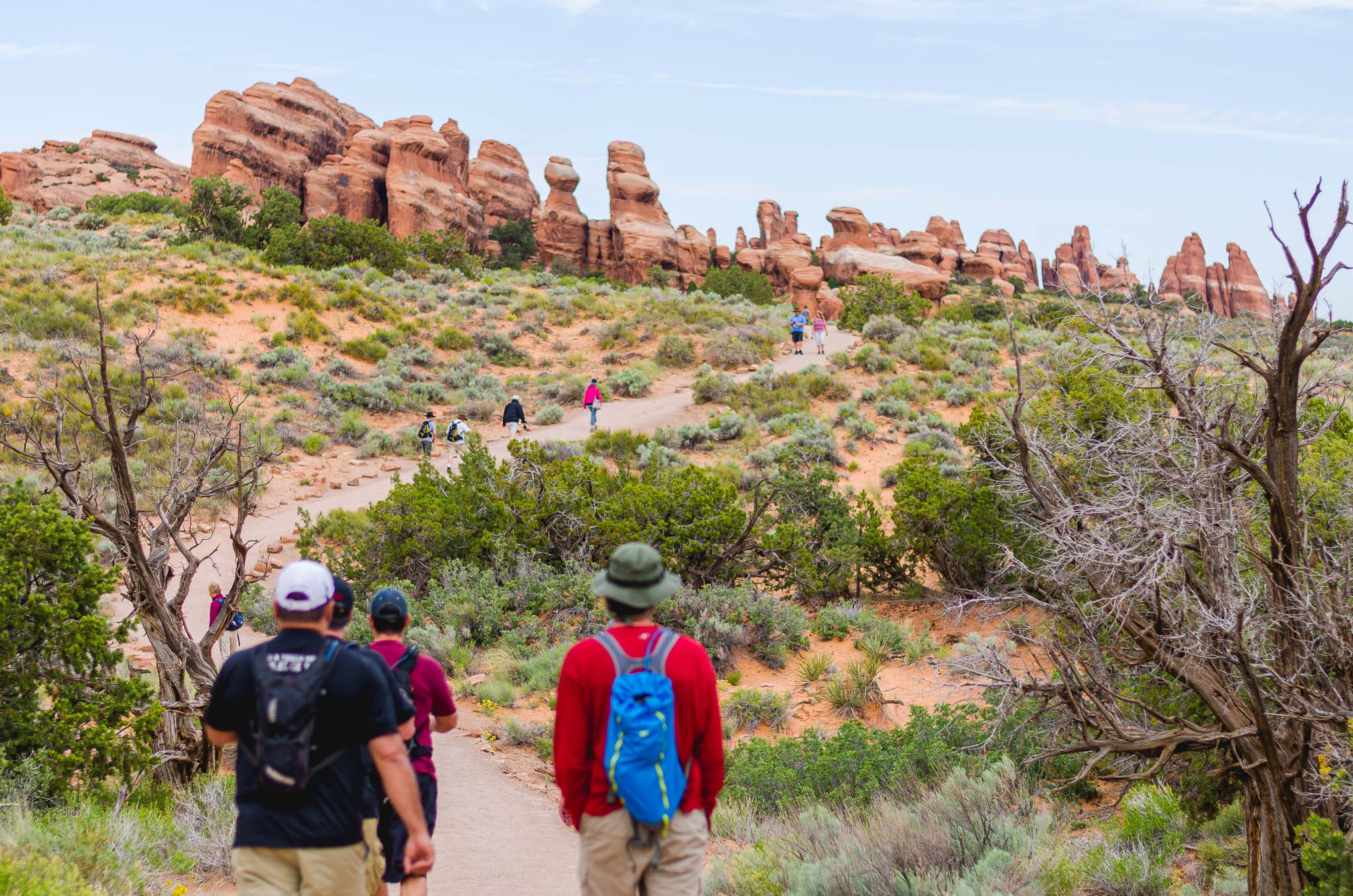
Where rural recreation counties rely on public funding for health care, fiscal solutions should diversify the ways local governments can save and spend. Read more
-
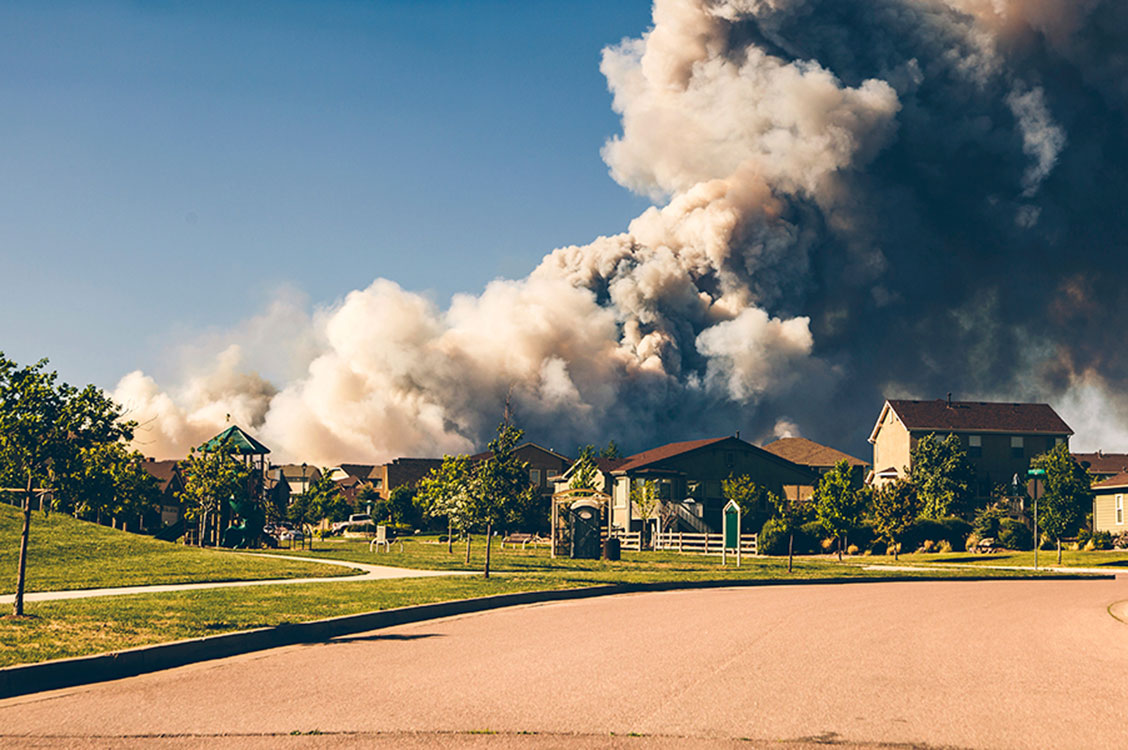
Managing wildfires during a pandemic will test the capacity of our first responders, but individual homeowners can take steps now to reduce wildfire risks. Read more
-
The new Wildfire Risk to Communities website—developed by the USDA Forest Service in partnership with Headwaters Economics and Pyrologix—offers maps and data about community wildfire risk nationwide. Read more
-
The bipartisan Forest Health for Rural Stability Act would establish a federal land endowment and resolve key challenges of federal land payments to counties. Read more
-

Nearly one in five U.S. counties has a higher-than-average share of seniors and no hospital beds. Read more
-
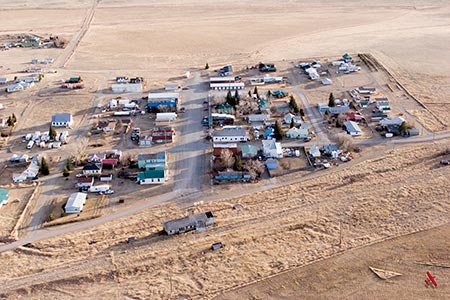
View a presentation given at the Our America’s Rural Opportunity forum about the context of public lands and the rural west. Read more
-
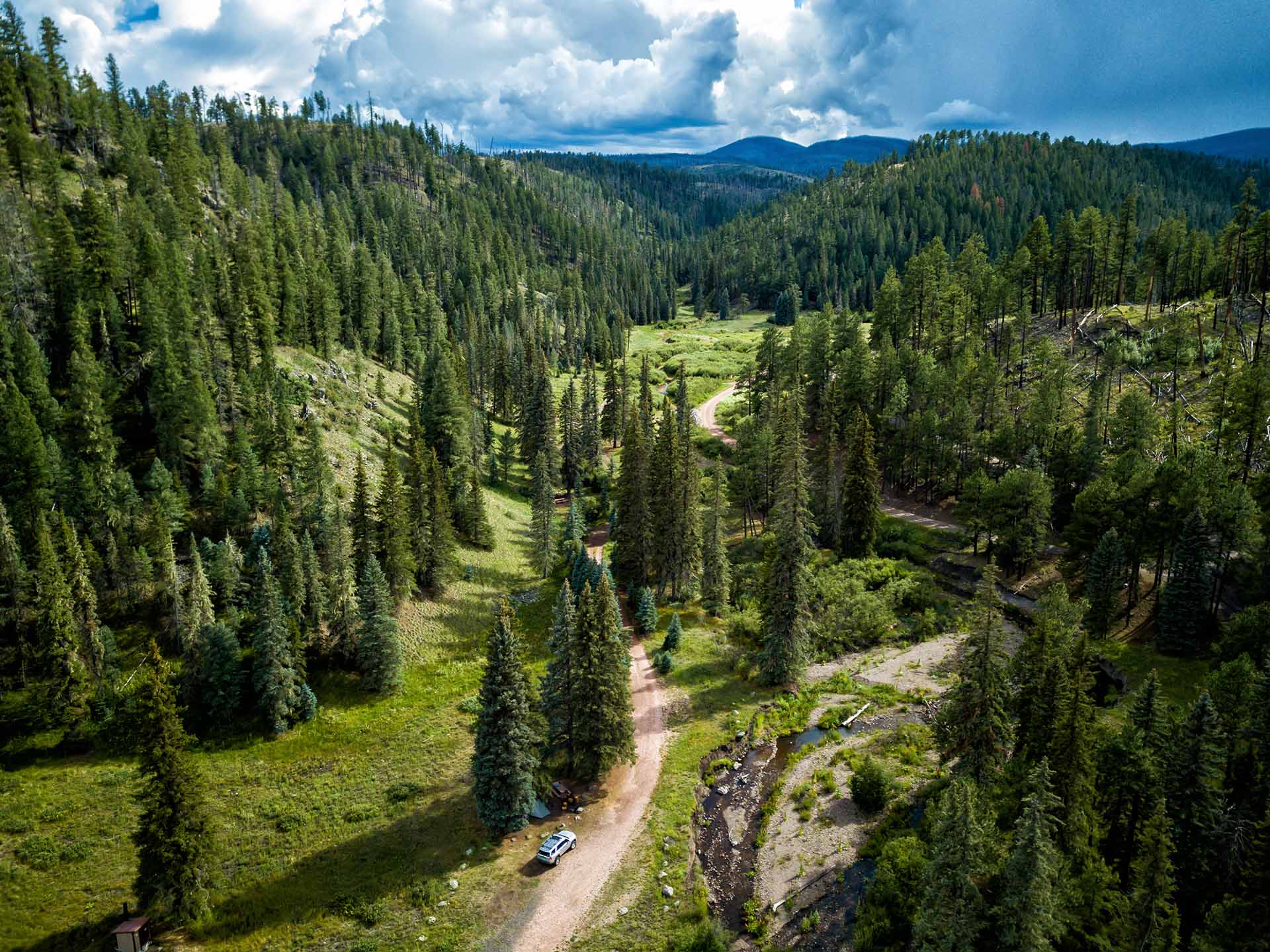
Outdoor recreation is a way of life and economic powerhouse for New Mexico. New Mexico residents enjoy outdoor recreation on more than 35 million acres of public lands and the outdoor recreation economy directly supports $1.2 billion in income and 33,500 jobs. Read more
