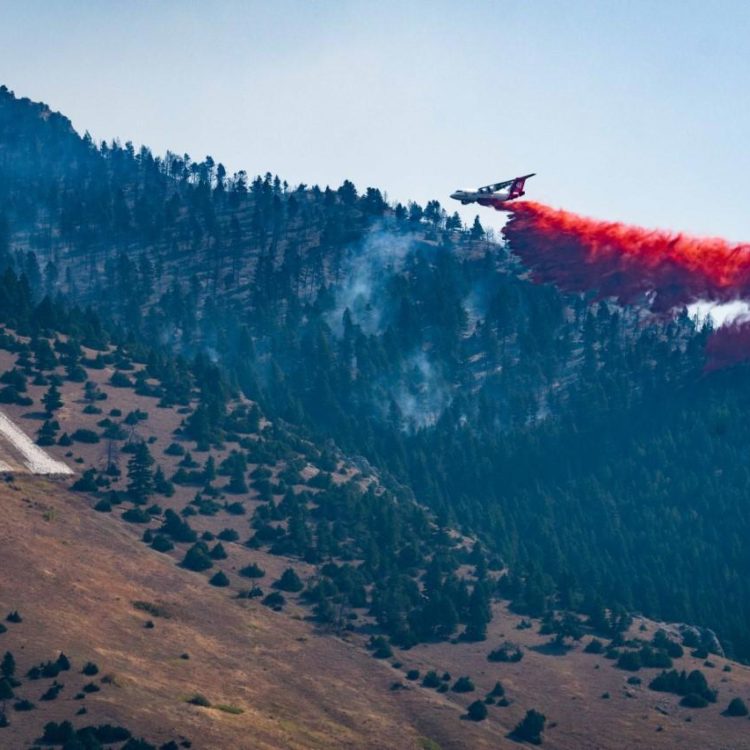
Montana wildfire risk is widespread and growing
The number of western Montana homes in areas with high wildfire hazard has doubled, outpacing development rates in areas with low wildfire hazard.

The number of western Montana homes in areas with high wildfire hazard has doubled, outpacing development rates in areas with low wildfire hazard.
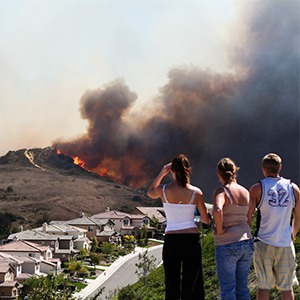
Kimiko Barrett, Ph.D., demonstrates how community resilience to wildfire needs to include planning and adaptation strategies for homes and neighborhoods.
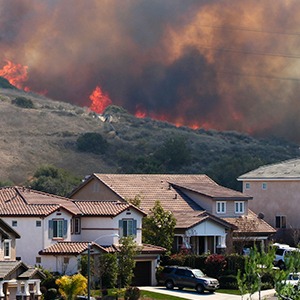
From 2000-2019, nearly 2,000 U.S. communities were threatened by wildfires or potential ember spread, showing the need for adaptive planning strategies.

Testimony on wildfires and vulnerable populations to a forum before the House Subcommittee on National Parks, Forests, and Public Lands.

As U.S. jobless claims reach historic levels from the coronavirus pandemic, find the latest county-level unemployment numbers.

Most U.S. states are adding electricity generation capacity faster than capacity is being retired. Renewable energy adds the most capacity in 18 states.
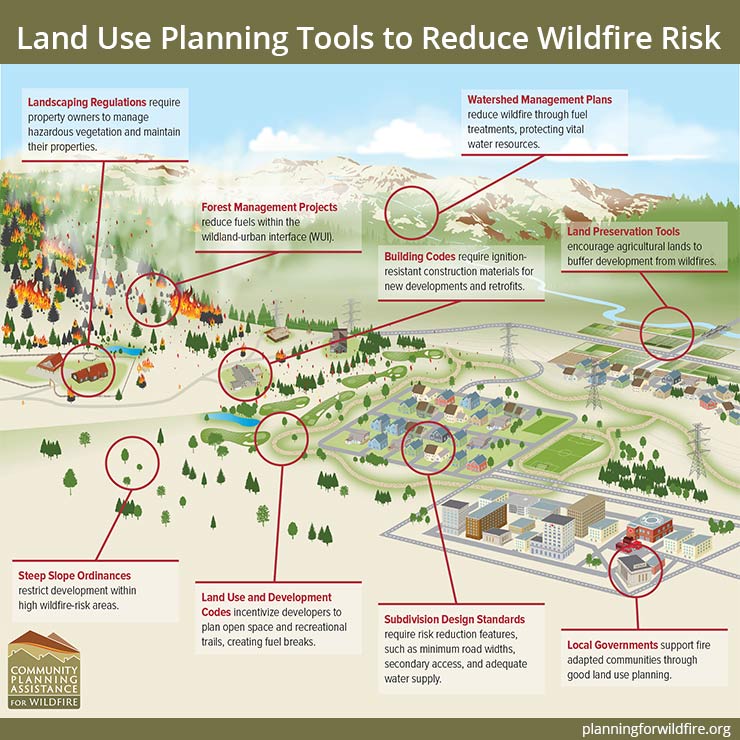
Land use planning can help communities become fire-adapted and resilient in the face of increasing wildfire potential.
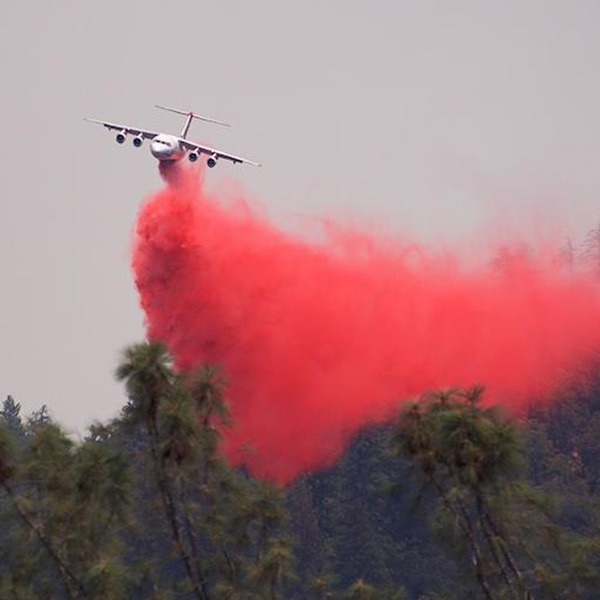
Federal wildfire policy that emphasizes suppression—a legacy of early-1900s forest management—has resulted in a paradox: accumulated fuels and larger, more severe wildfires.
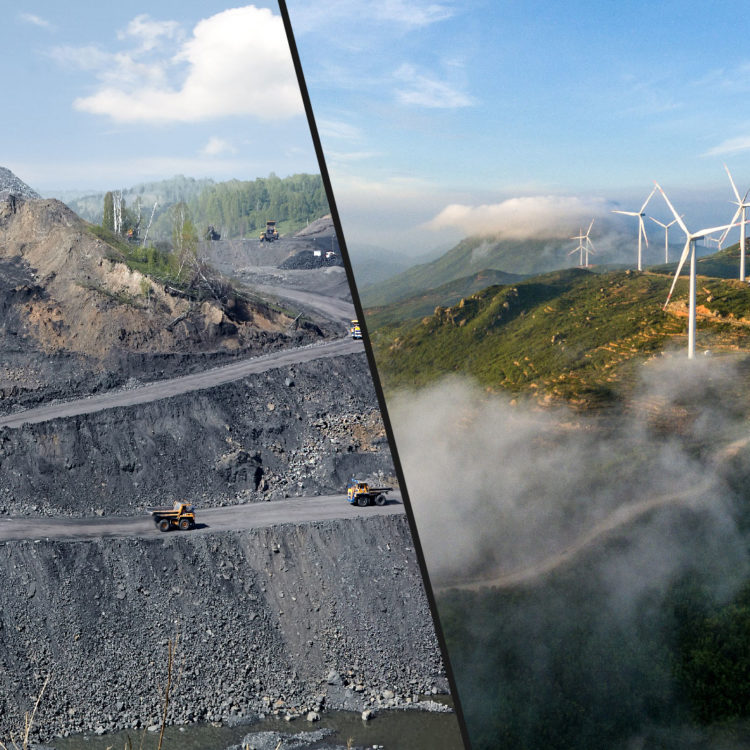
The capacity to generate electricity has transitioned from coal to natural gas to renewable energy, a trend projected to continue.
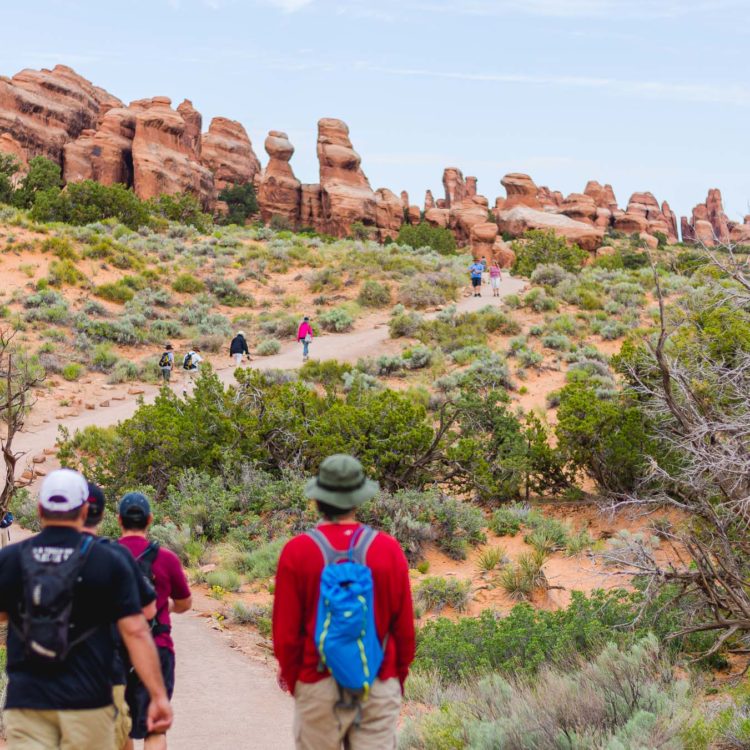
Where rural recreation counties rely on public funding for health care, fiscal solutions should diversify the ways local governments can save and spend.