-

A new analysis finds that the largest and fastest-growing economic sectors in Nez Perce and Asotin counties are not strongly connected to the Lower Snake River dams. Both counties can continue to grow, and may see new economic gains, if the dams are removed. Read more
-

The outdoor recreation economy is large, growing faster than the overall economy, and consists of jobs in many industries. Explore data by state. Read more
-

National monument designation does not disrupt local economies, according to the latest data on jobs, income, and GDP. Most trends continue on the same trajectory after designation, and income growth tends to improve modestly over time. Read more
-
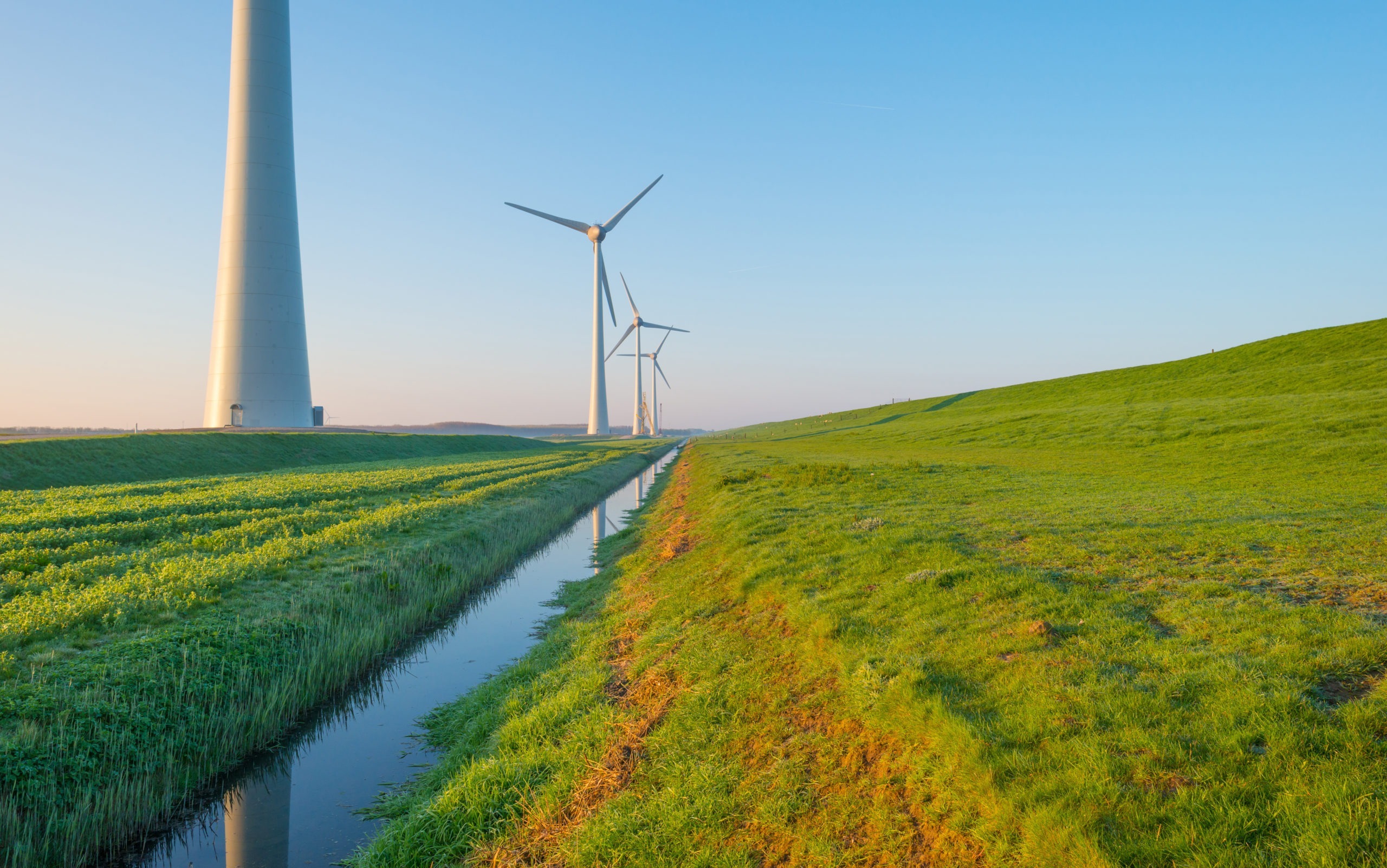
Seventy percent of rural communities with high economic output are losing population, but rural leaders can use Community Benefit Agreements to ensure development leads to lasting local value. Read more
-
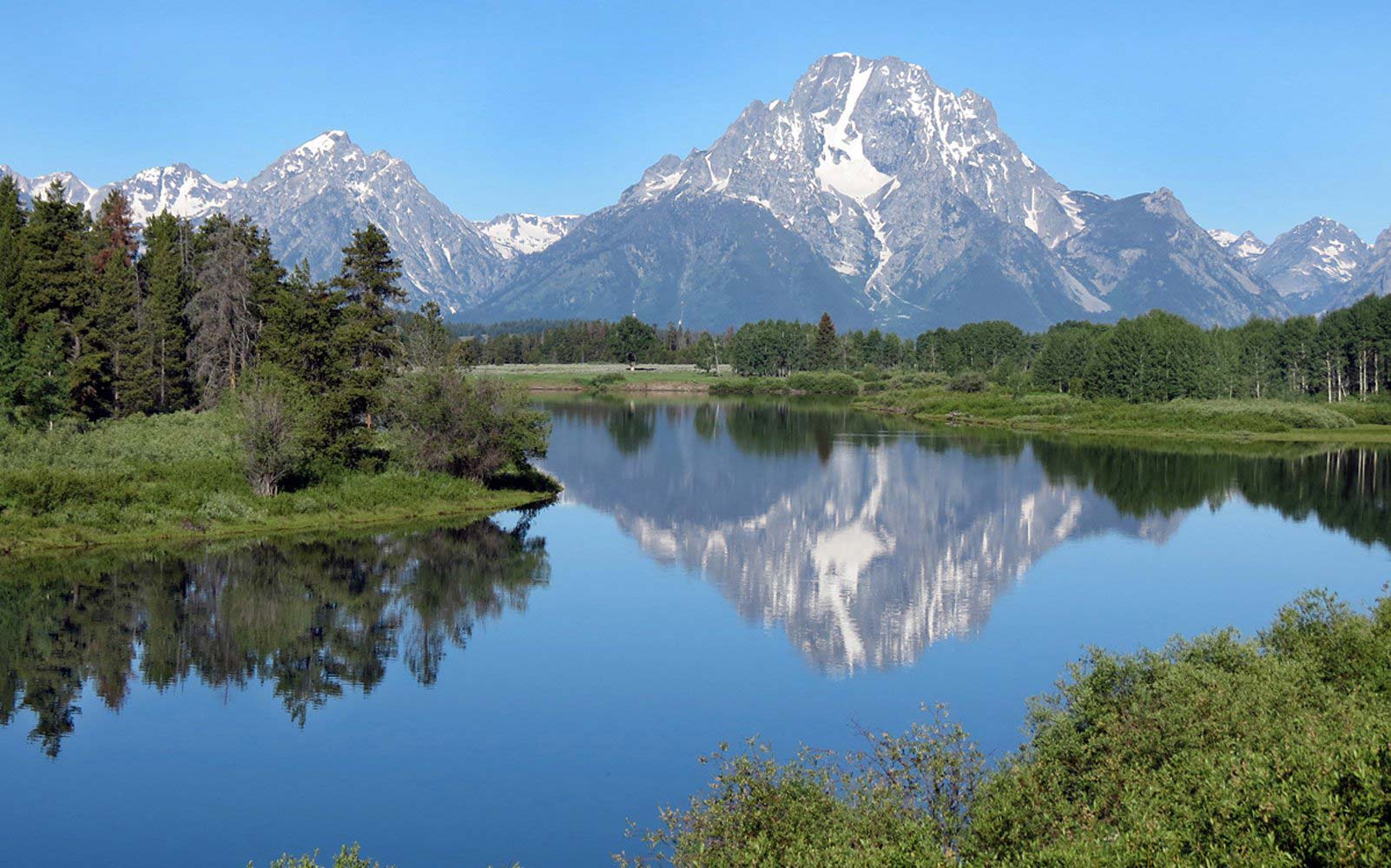
The growing connection between livelihoods and public lands calls for more investments in public access, preserving ecosystems, and minimizing privatization. Read more
-

Ten years of data show the outdoor recreation economy has grown in nearly all states and is helping drive economic diversification and workforce development. Read more
-

Reversing the legacy of rural disinvestment—and deliberately designing solutions for rural America—is a down payment on our shared future. Read more
-
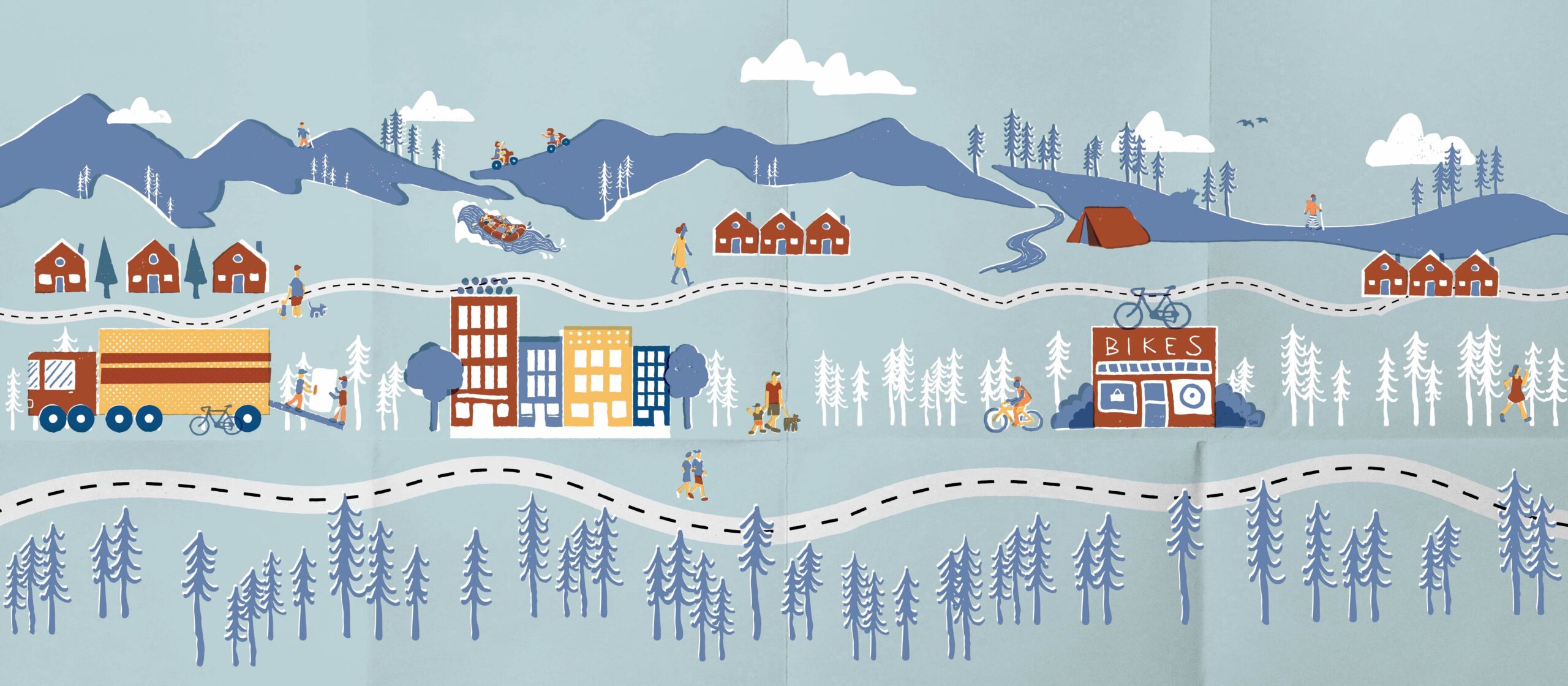
Amenity communities face unique challenges from waves of tourists and new residents. Proactive planning can help avoid being loved to death. Read more
-
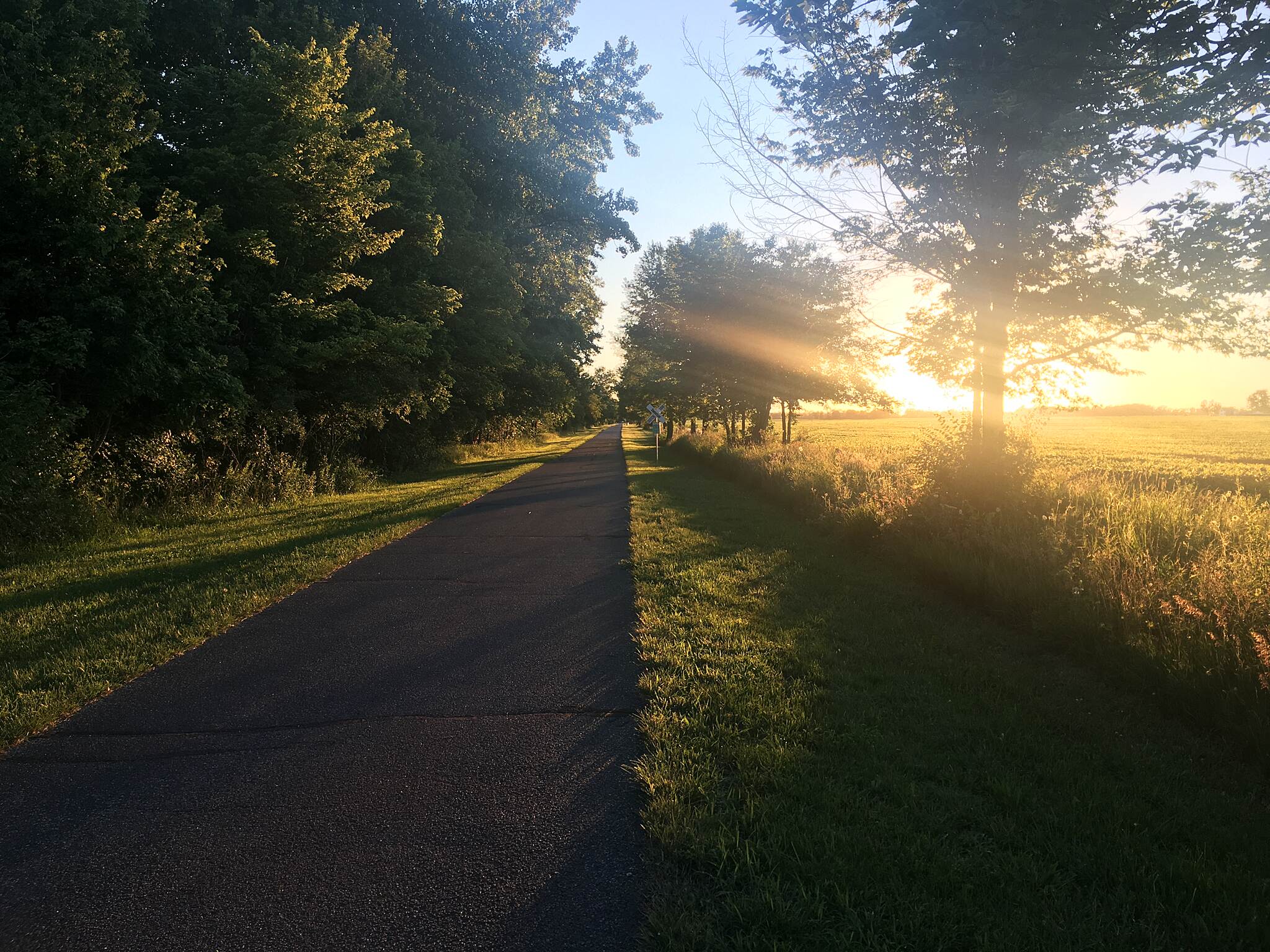
Through 12 states and the District of Columbia, the Great American Rail-Trail® will attract 25.6 million trips and generate more than $229.4 million in spending. Read more
-
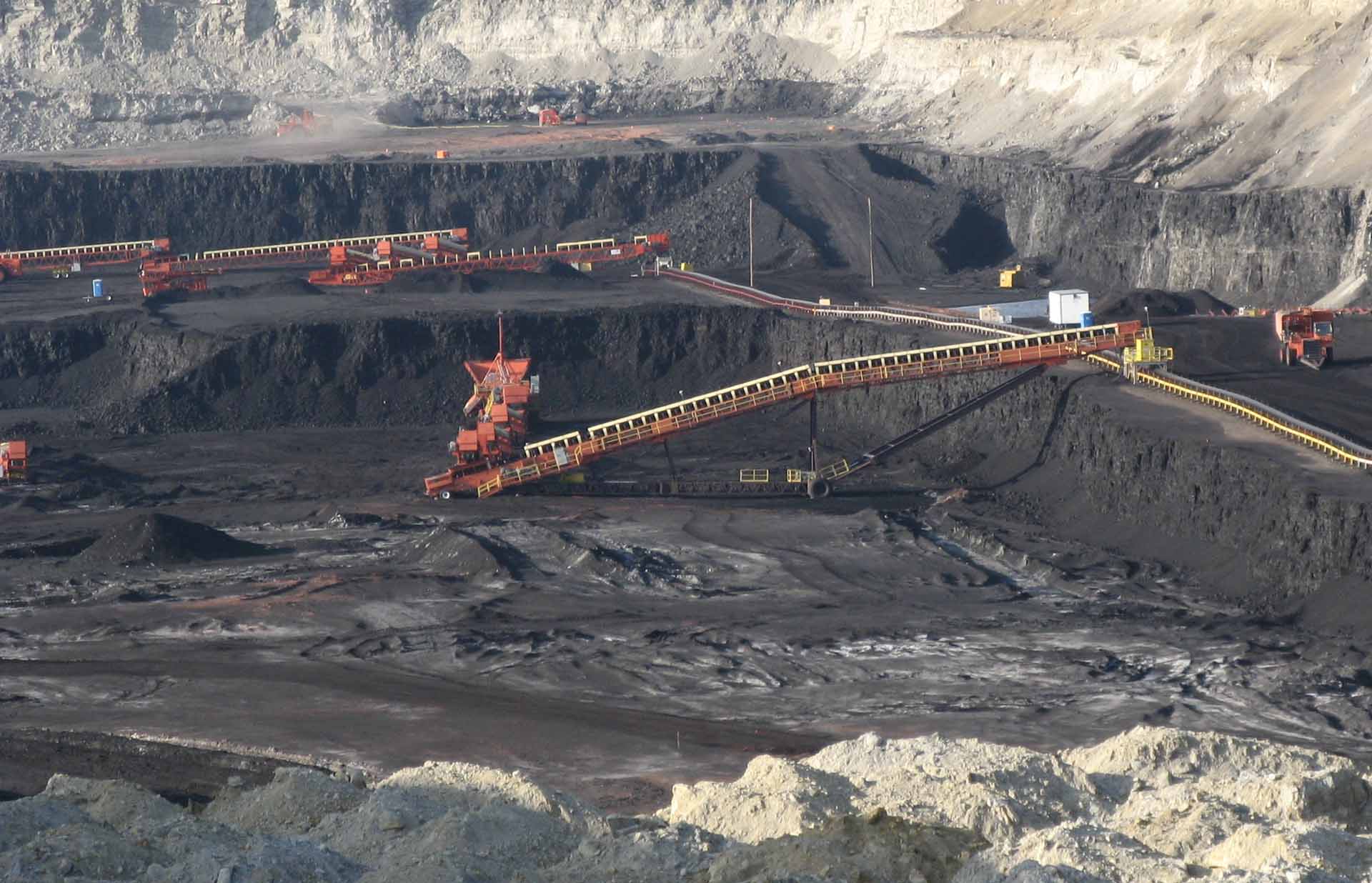
This panel discussion, with examples from Montana and New Mexico, examines how fiscal policies have failed rural communities. Read more
-

Economic methods and data can engage diverse audiences and tell new stories to help cities make a case for climate adaptation. Read more
-

Montana’s outdoors attracts people and talent, creating jobs and a high quality of life. The outdoors is essential to the state’s future economic growth. Read more
-

Funding for Montana’s working lands, wildlife, and outdoor recreation is not keeping pace as population, visitation, and development pressures expand. Read more
-

Rural and isolated communities face wrenching economic and demographic transitions. A solution to uncertainty is to focus on resilience. Read more
-
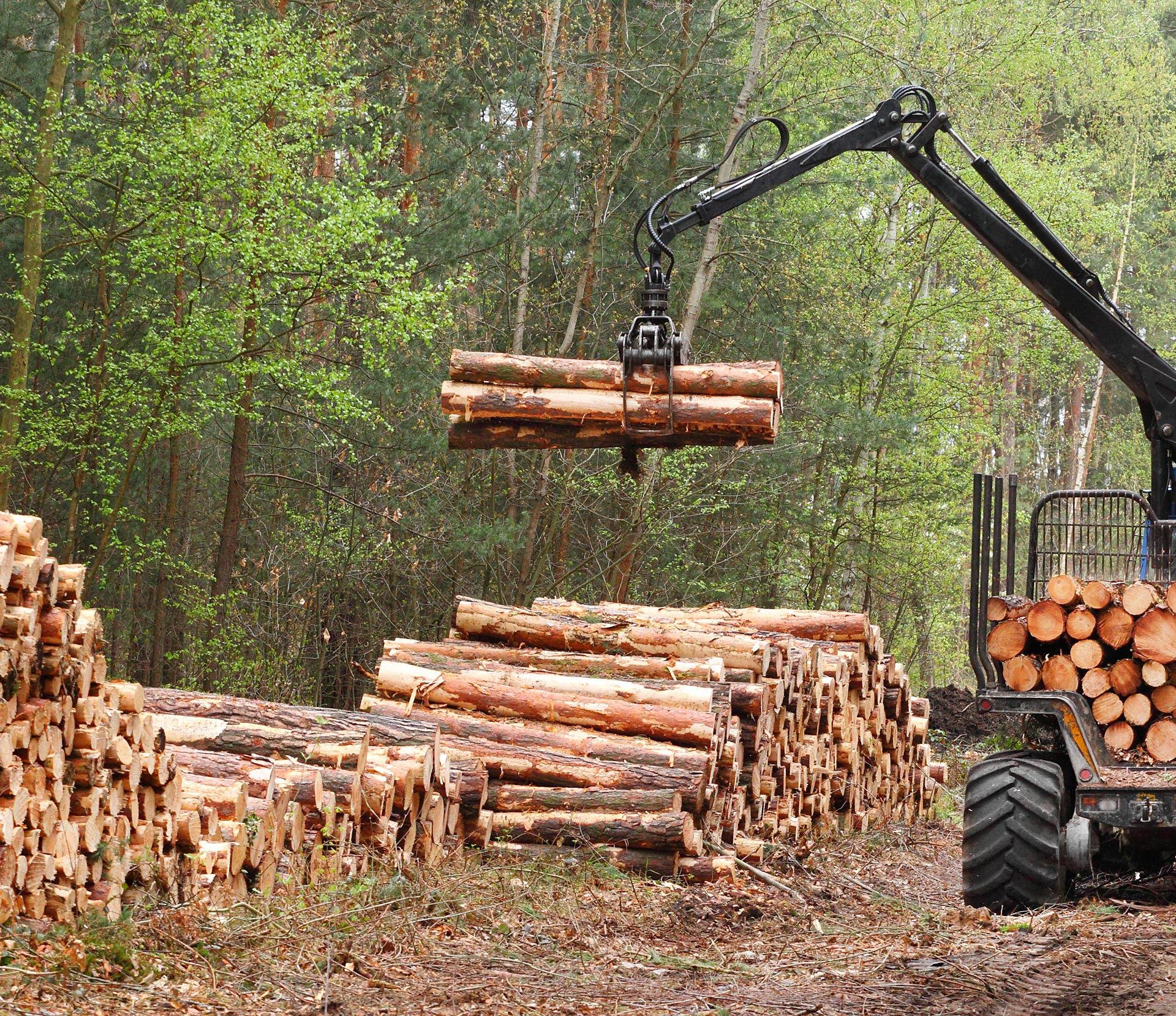
Updated: Headwaters Economics produced two interactive maps to show the range of commercial activities on National Forests at the Forest, state and forest region levels. Read more
-

Communities and local leaders can utilize this trails toolkit to better understand whether and how trails can accomplish local goals, along with the cost and benefits of proposed projects. Read more
-

Seven case studies illustrate best practices and lessons learned to develop programs for outdoor state recreation funding. Read more
-

This research and interactive charts show that the local economies adjacent to all 17 national monuments studied in the West expanded following the monument’s creation. Read more
-
Non-labor income sources such as investments, Social Security, Medicare, and Medicaid often are the largest and fastest growing sources of personal income for many counties. Rural counties especially are surprisingly dependent on non-labor income. Read more
-

Recent trends in manufacturing and what they mean for the people and communities of the American West, with insights for rural areas in particular. Read more
