
Wildfire and insurance options for homeowner coverage
In the face of increasing wildfire disasters several strategies could play a role in reducing damages and stabilizing homeowners insurance markets.

In the face of increasing wildfire disasters several strategies could play a role in reducing damages and stabilizing homeowners insurance markets.
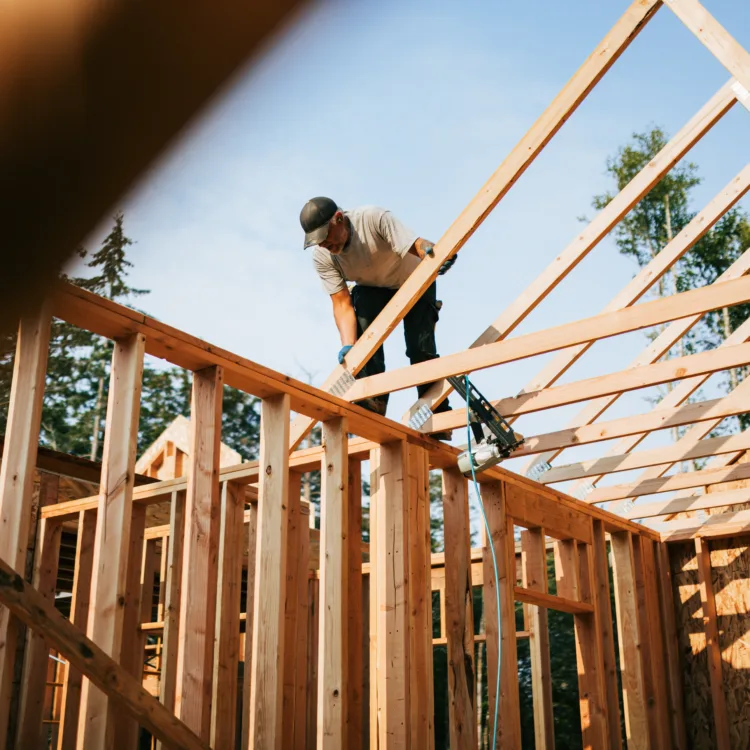
A new analysis shows that building wildfire-resistant homes adds less than 3% to construction costs.
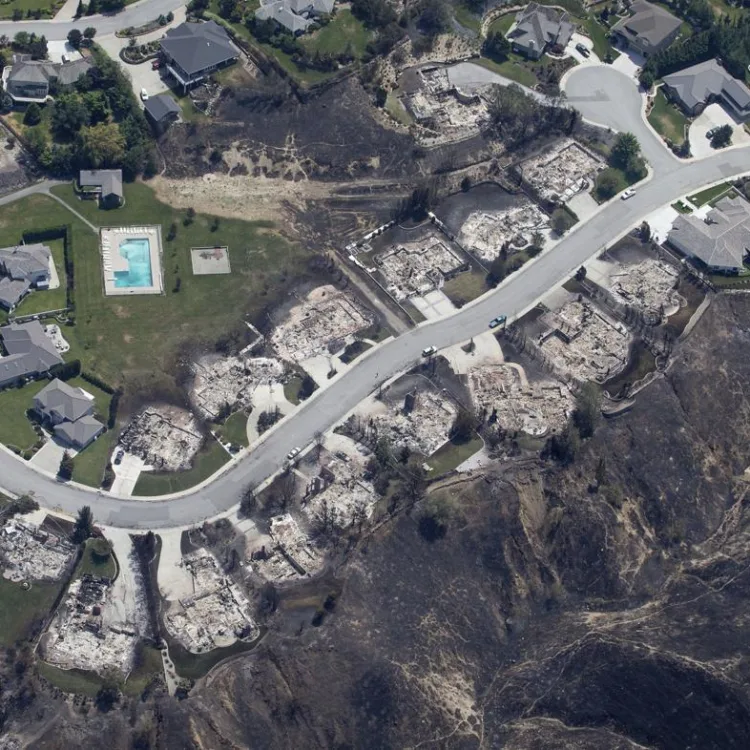
New research highlights opportunities to improve wildfire risk models that inform planning, building codes, and risk management.
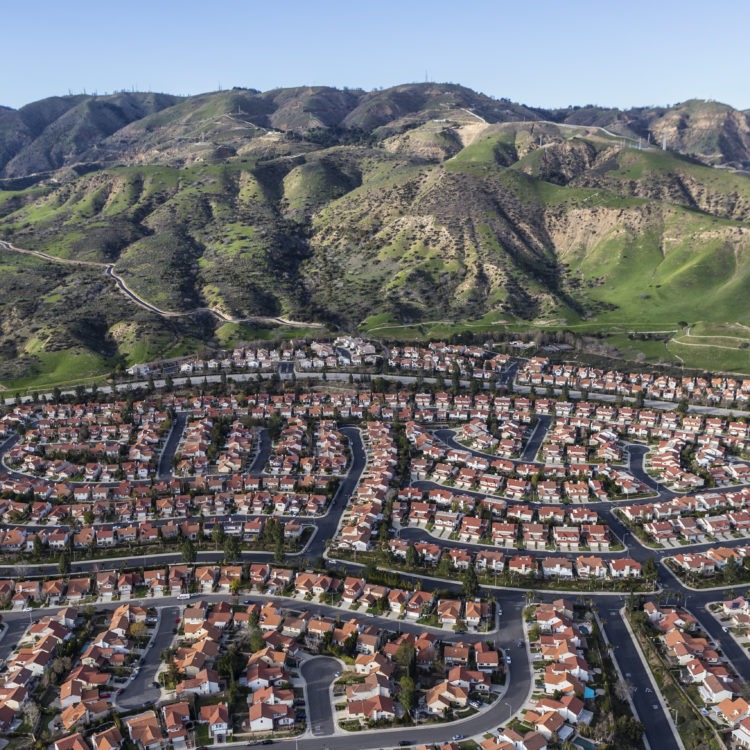
As home insurance in areas with high wildfire risk becomes more expensive and harder to obtain, significant pressure is put on state and local budgets.
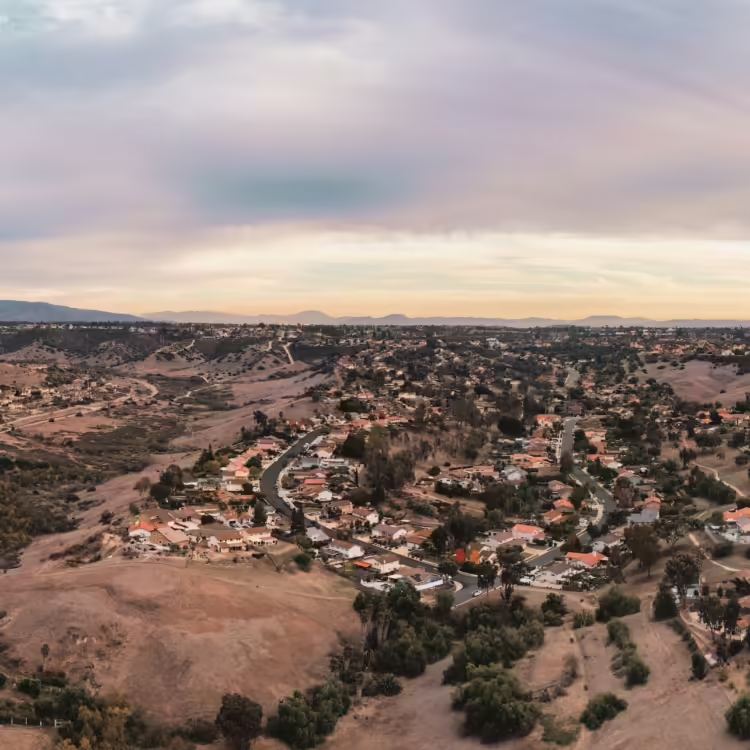
Retrofitting a home for wildfire resistance can cost as little as $2,000, making this approach an effective risk reduction strategy for communities.

Leading wildfire experts make the case that creating wildfire-resistant communities must become a much higher priority.
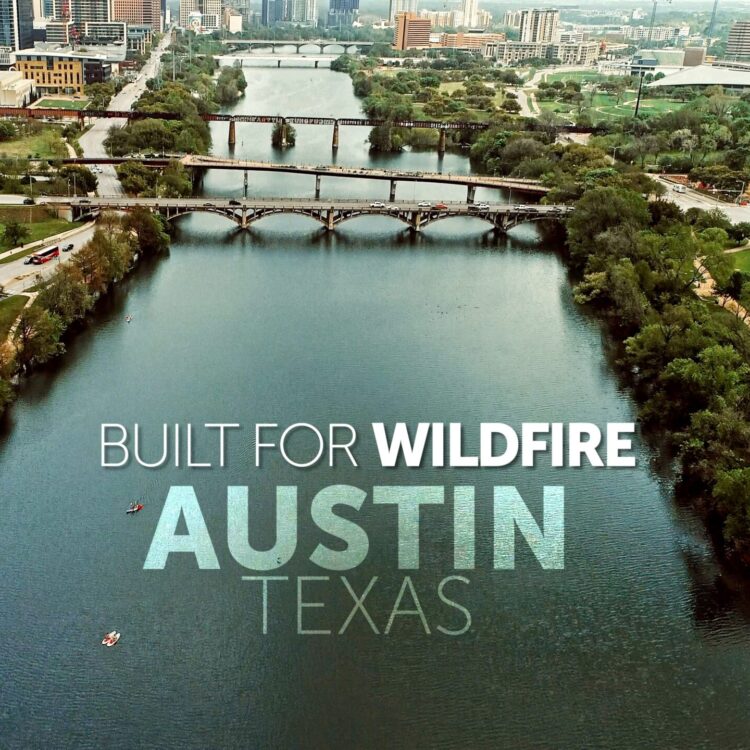
In this ten-minute video produced by Headwaters Economics, learn how leaders in Austin, TX came to realize the magnitude of the wildfire threat, and how they brought together diverse interests to protect their community.
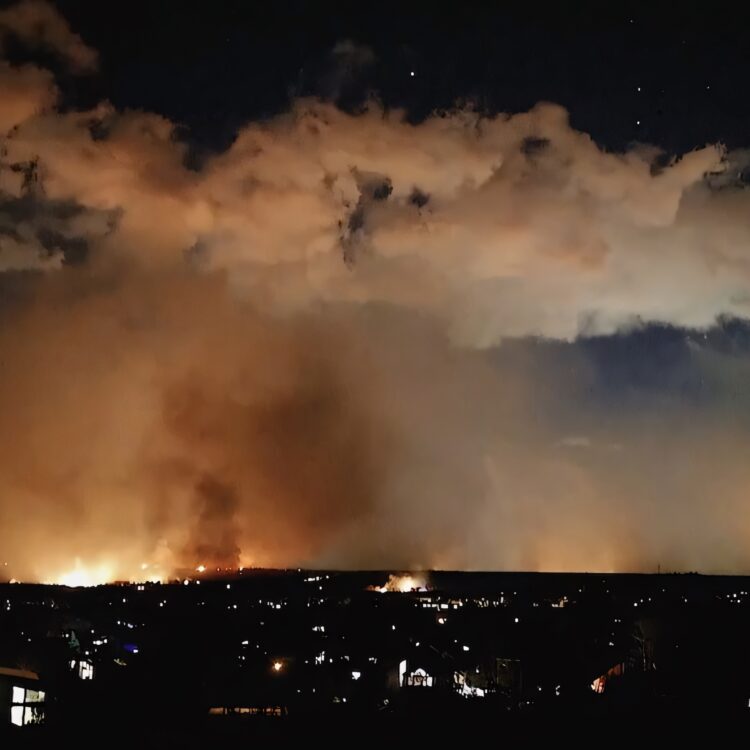
A new report from the Wildland Fire Mitigation and Management Commission recommends transformative approaches needed to overcome the wildfire crisis.
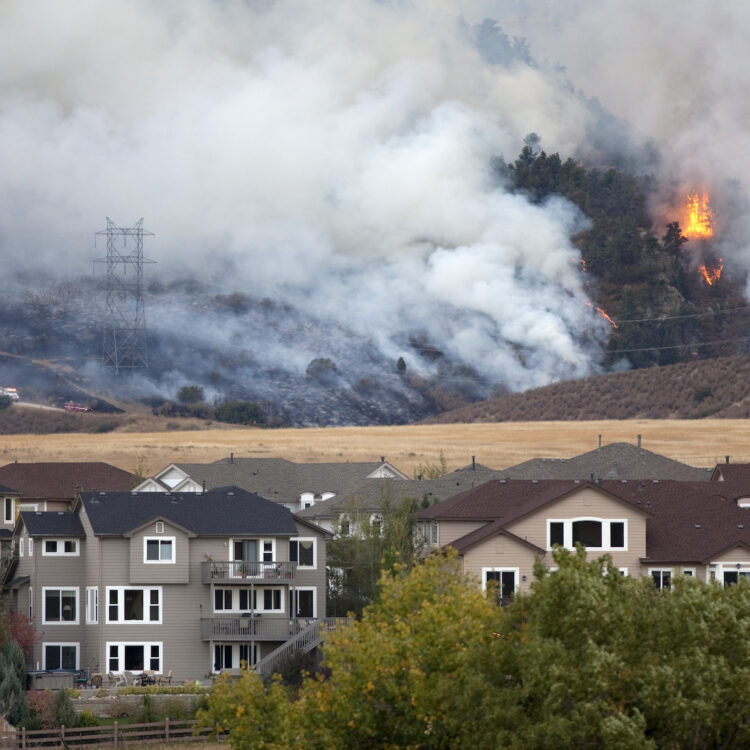
A new analysis shows that managing the built environment is the most effective strategy at reducing wildfire risk to communities, yet it receives the least funding and policy support.

The United States is spending billions of dollars on suppressing wildfires that threaten a growing number of homes, but very little on better preparing communities before a wildfire occurs.