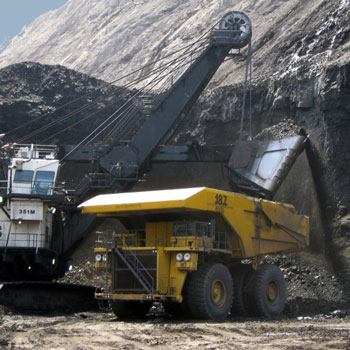
Federal Coal Program in Context
Explore the Socioeconomic Context of the Federal Coal Leasing Program

Explore the Socioeconomic Context of the Federal Coal Leasing Program
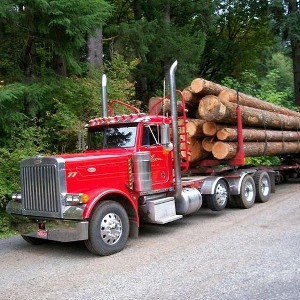
County governments are compensated for the tax-exempt status of federal public lands within their boundaries. These payments often constitute a significant portion of county and school budgets, particularly in rural counties with extensive public land ownership.

Many people talk about trails and quality of life, but how do we measure and obtain it?

This blog draws on federal data and research to describe more about the local economies of the communities dependent on federal coal.
Lower overall coal generating capacity—the outcome of coal fired power plant retirements and a demand for coal that rises and falls depending on natural gas prices—will create new volatility for coal jobs and for counties, schools, and states that depend on tax revenues from coal.
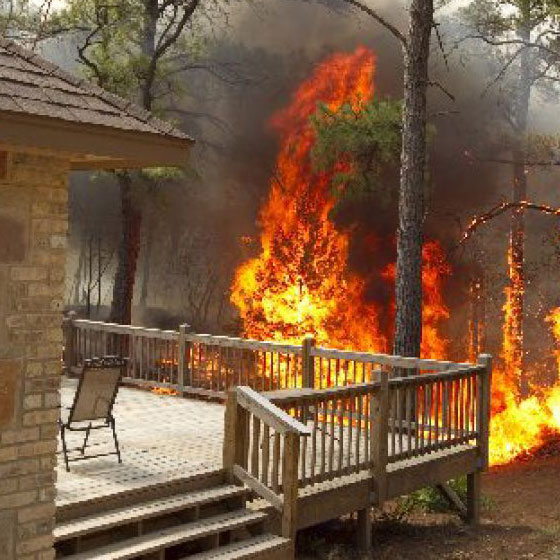
It is unlikely that insurance rates and policies alone will determine whether or not a landowner decides to build a new home on wildfire-prone land.

Mapping and understanding communities at risk from wildfires just became easier with a new interactive tool generated by Headwaters Economics.
Updated tools, research, and studies on the benefit of trails to communities and local citizens.
How national wildlife refuge payments–especially important to rural counties–could be reformed and funded.

How county governments can benefit from reforming wildlife refuge payments.