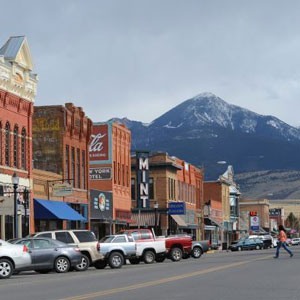
Why the Rural West Matters
The rural West matters for at least three important reasons: the vitality of the region’s landscape; its impact on local, state, and national politics; and the future of the area’s people and communities.

The rural West matters for at least three important reasons: the vitality of the region’s landscape; its impact on local, state, and national politics; and the future of the area’s people and communities.
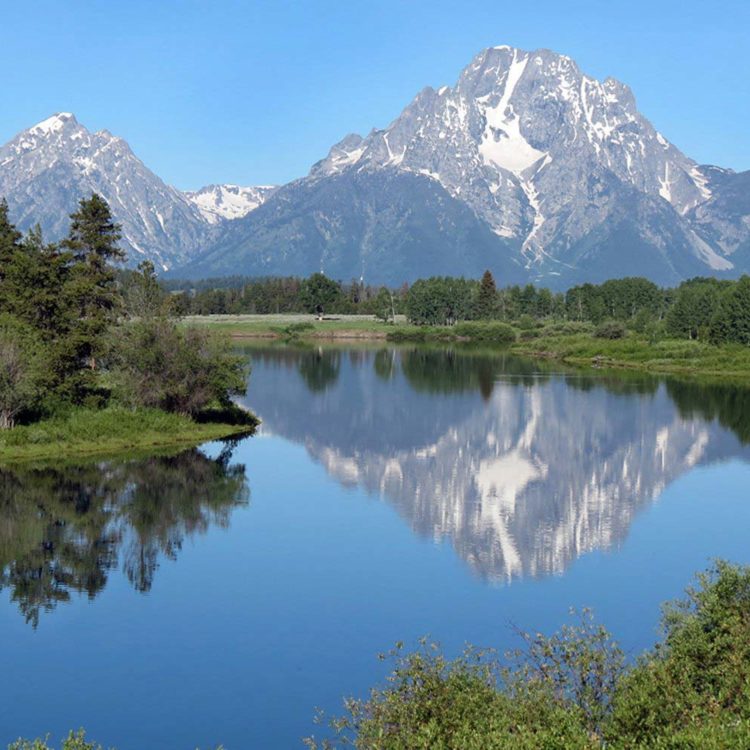
Headwaters Economics compiled a number of regional reports, case studies, tools, research library, and related news articles on the value of public lands to nearby communities.
Slide show: The role of federal lands in rural development.
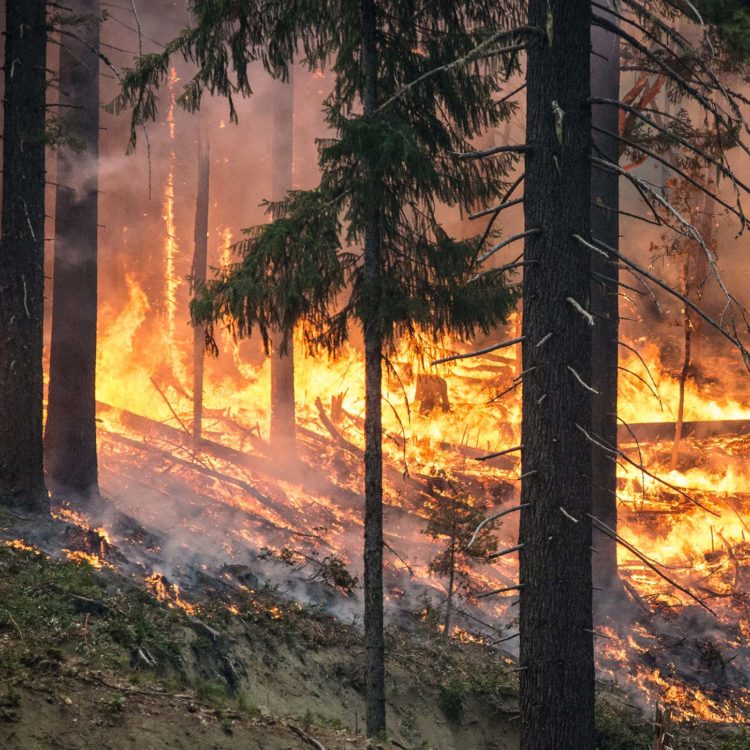
Wildfire experts outline key science insights important to inform policy discussions and development while reducing future risks and costs.

While most western rural counties are aging and losing young families, the loss of school kids in rural western counties with protected lands such as National Monuments was, on average, less than half the rate of loss for similar counties without protected lands.
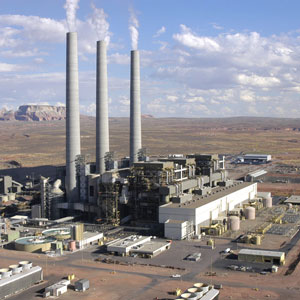
This post compares economic and demographic characteristics of communities where coal-fired power plants have recently retired or are scheduled to retire.
Unlike most countries and state governments, the U.S. has not created a natural resources trust which could help meet volatility and spending challenges facing local and county governments.
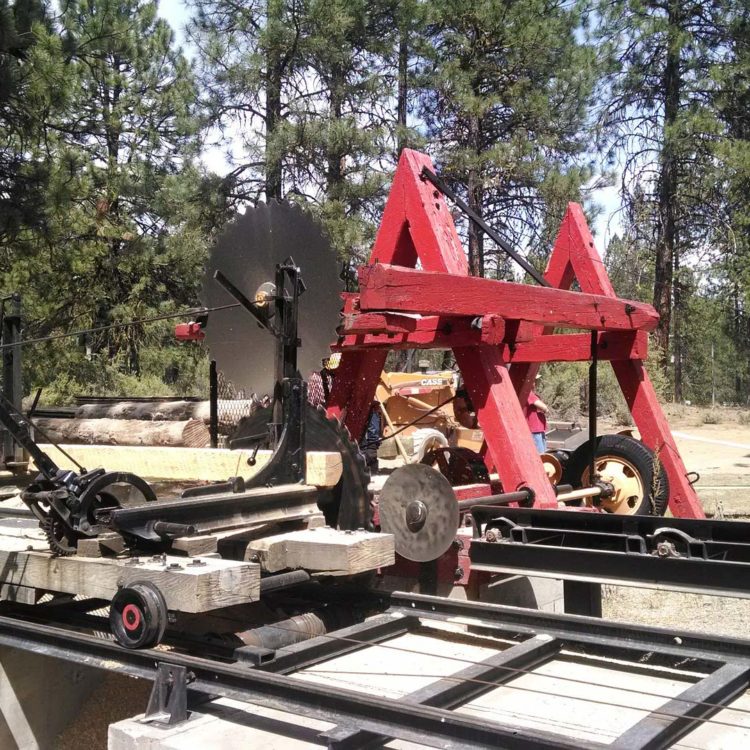
Recent trends in manufacturing and what they mean for the people and communities of the American West, with insights for rural areas in particular.

The wildfires that burned the edge of the Great Smoky Mountains National Park devastated nearby communities and underscore the need to reduce the risks and costs of future catastrophic events.

The new Administration’s plans to remove coal regulations should not dampen efforts to shift coal transition planning West to assist displaced workers and diversify coal-dependent communities.