Lessons from the Timber Transition
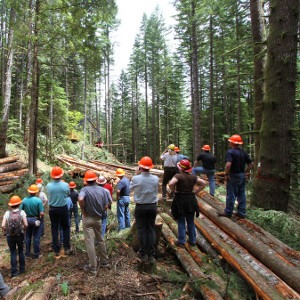
Western counties once dependent on timber today perform similarly to like-sized counties. Three case studies outline economic lessons from counties that weathered the timber transition.

Western counties once dependent on timber today perform similarly to like-sized counties. Three case studies outline economic lessons from counties that weathered the timber transition.
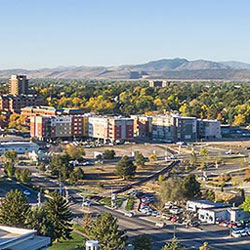
Understanding your local economy and how it compares to peers is a crucial part of community and economic development.
Slide show: A theory of economic development in the rural West.
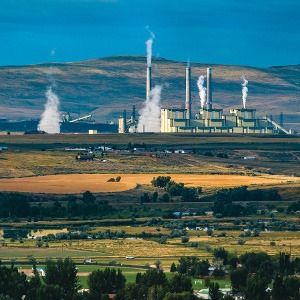
Coal fiscal policies vary widely across the West in terms of how revenue is generated, set aside in permanent savings, or spent by state and local governments.

This report summarizes Montana’s economy analyzing recent growth and what is driving its performance, including a description of how federal lands help attract people, investment, and businesses.

This research and interactive charts show that the local economies adjacent to all 17 national monuments studied in the West expanded following the monument’s creation.

Non-labor income sources such as investments, Social Security, Medicare, and Medicaid often are the largest and fastest growing sources of personal income for many counties. Rural counties especially are surprisingly dependent on non-labor income.

A guide to planning for the long-term social, economic and environmental well-being of the community of Colstrip, Montana.
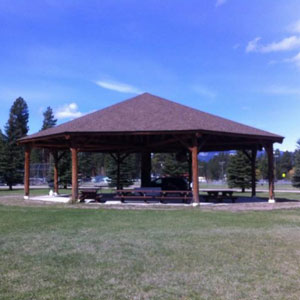
Many rural western towns face economic uncertainty. This report—informed by interviews and public meetings with residents—compares Lincoln to peer communities and outlines rural economic development options building on the town’s strengths.
New analysis and interactive map show how the President’s budget proposal cuts county payments and the impact for every county in the nation.