-
Benefits of Renewable Energy in the West Vary Widely

The West is rich in renewable energy opportunities, but research demonstrates that property tax revenues from this development vary widely across 17 rural study counties due to state tax policies.
-
How Is Fracking Shaping Your Community and Economy?
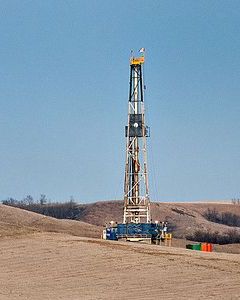
Monitoring can help local governments better understand the socioeconomic impacts caused by energy development, and support requests to industry and state government for assistance to implement appropriate mitigation.
-
Lessons for Wildfire from Federal Flood Risk Management Programs

This paper reviews the experience of national floodplain management programs to draw lessons for new approaches to reduce the costs and risks posed by wildfire to properties in the Wildland-Urban Interface.
-
On Halloween, Many Counties with High Death Rates Still Growing

It’s All Hallow’s Eve, so we decided to look at western counties where the dead most recently were living. But a high death rate does not mean a county is faring poorly. Like most things, it’s complicated.
-
Baby Boomers Move Near Protected Lands, Help Drive Economies
Protected federal lands (such as Wilderness or National Parks) not only preserve unique landscapes, but have the potential to attract in-migrants such as baby boomers, which in turn help support a robust local economy.
-
Today’s Economy, Political Rhetoric Too Often Don’t Match

Today’s economy is much different than what we hear in the rhetoric from current politicians. We need our leaders to wrestle with current problems rather than old ones.
-
Wildfire Budget, Incentives, and Missed Opportunities
The failure of Congress to pass wildfire disaster funding is a missed opportunity for two reasons: one to stop ‘fire borrowing’ and second to reduce risks and costs to homeowners and the taxpayer.
-
Three Wests Sortable Data

Review the economic and demographic differences between Metro, Connected and Isolated counties.
-
Study Finds No Evidence Firewise Lowers Suppression Costs

Study finds no evidence of a relationship between wildfire suppression costs and Firewise participation, suggesting policies should focus on other solutions to lower future expenditures, such as preventing development in high risk areas.
-
Local Responses to Wildfire Risks Are Limited
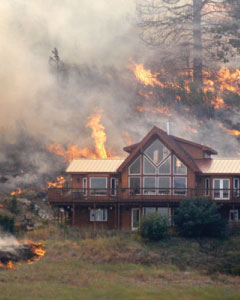
This study reviews how western communities are addressing wildfire risk, how they have responded to recent major fires, and useful lessons and public policy insights for the future.
-
The Economic Impacts of Restoration in Central Idaho
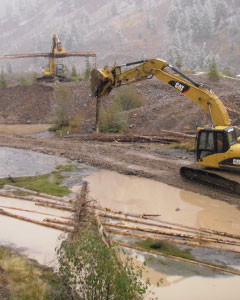
This report provides a way to calculate the economic impacts of natural resource restoration activities to nearby communities that should be helpful to local officials, agency staff, and policy analysts.
-
Non-Labor Income: Large and Growing in Importance Across the West

Non-labor income is one of the largest and fastest growing sources of income in the West; constituting 34 percent of total personal income in 2011 and 60 percent of net growth in real personal income during the last decade.
-
North Dakota Not Returning Adequate Oil Revenue to Local Governments
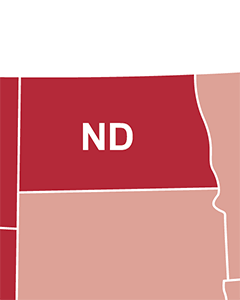
This report compares how North Dakota provides local governments with production tax revenue from unconventional oil extraction compared to other major energy-producing states.
-
Wyoming Oil Taxes: Highest Rate, Large Savings Compared to Other States
This report compares how Wyoming provides local governments with production tax revenue from unconventional fossil fuel extraction compared to other major energy-producing states.
-
Local Governmments in New Mexico Receive Lowest Share of Oil Revenue
This report compares how New Mexico provides local governments with production tax revenue from unconventional fossil fuel extraction compared to other major energy-producing states.
-
Colorado Lags Other States in Taxing Oil, Incentives Increase Volatility
This report compares how Colorado provides local governments with production tax revenue from unconventional fossil fuel extraction compared to other major energy-producing states.
