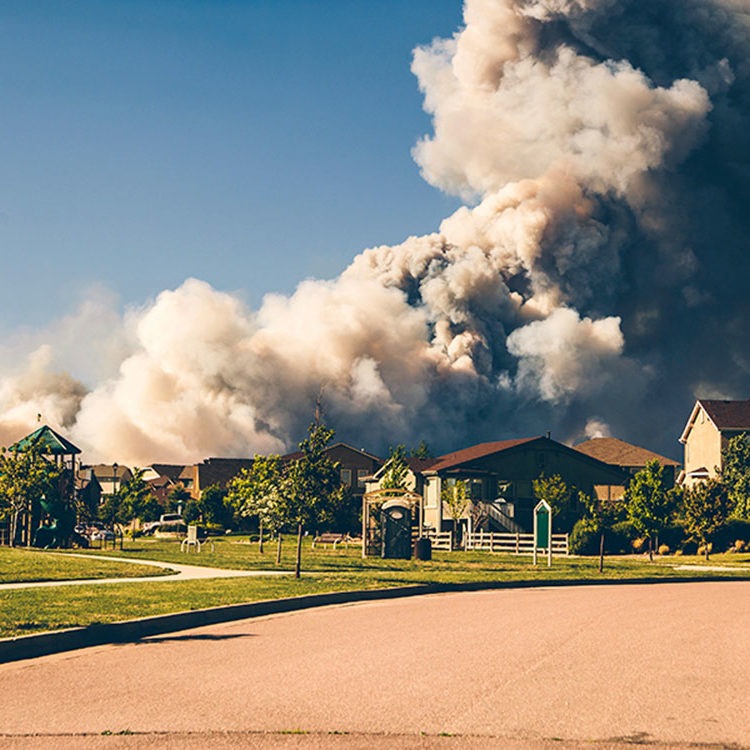
Preparing for wildfires during a pandemic
Managing wildfires during a pandemic will test the capacity of our first responders, but individual homeowners can take steps now to reduce wildfire risks.

Managing wildfires during a pandemic will test the capacity of our first responders, but individual homeowners can take steps now to reduce wildfire risks.
The bipartisan Forest Health for Rural Stability Act would establish a federal land endowment and resolve key challenges of federal land payments to counties.
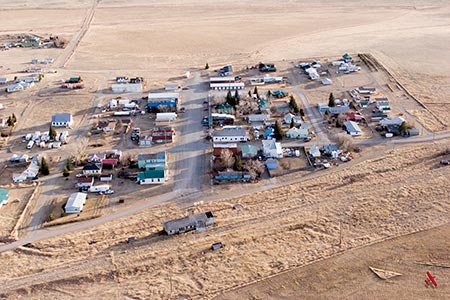
View a presentation given at the Our America’s Rural Opportunity forum about the context of public lands and the rural west.

Analysis shows raising Payment in Lieu of Taxes (PILT) population limits for small-population counties would have increased total payments by $2 million in 2019.

States were granted trust lands by the U.S. Congress to generate revenue to fund public institutions, primarily public schools.
Overspending of state trust permanent funds reduces future school funding and incentivizes sales of trust land and nonrenewable resources.
Changing economies, new land uses, shifting social values, and political pressure create challenges for state trust land managers.
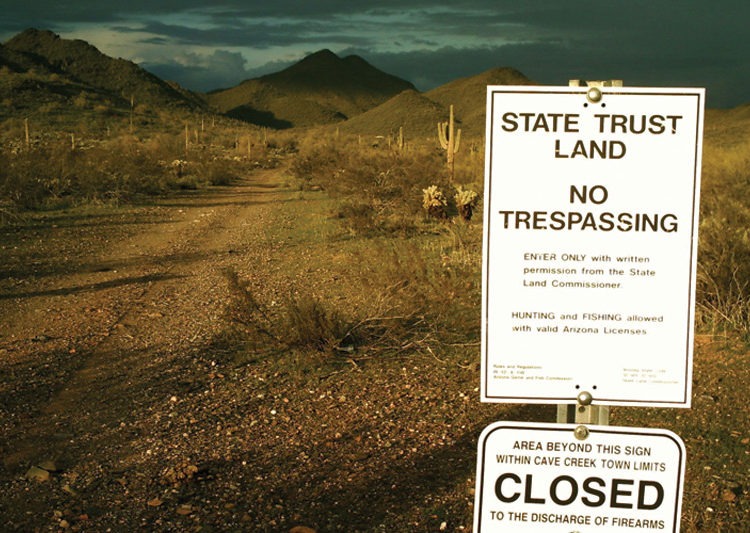
Advocates of transferring federal land to states point to the superior ability of state trust lands to generate revenue, but our analysis finds significant economic and fiscal disadvantages.
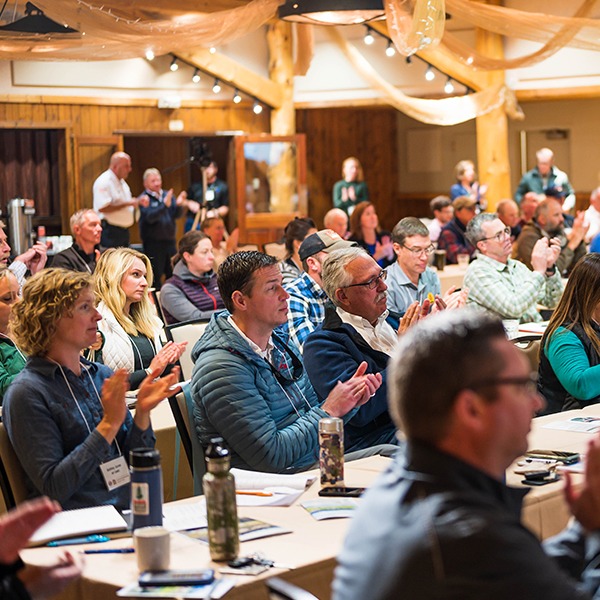
Video and highlights from an event that brought together diverse community leaders to explore practices for building fire-adapted communities.
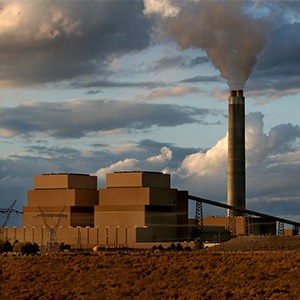
The most effective fiscal policies for communities facing transition away from coal dependency are those that build wealth over time and strengthen community capacity.