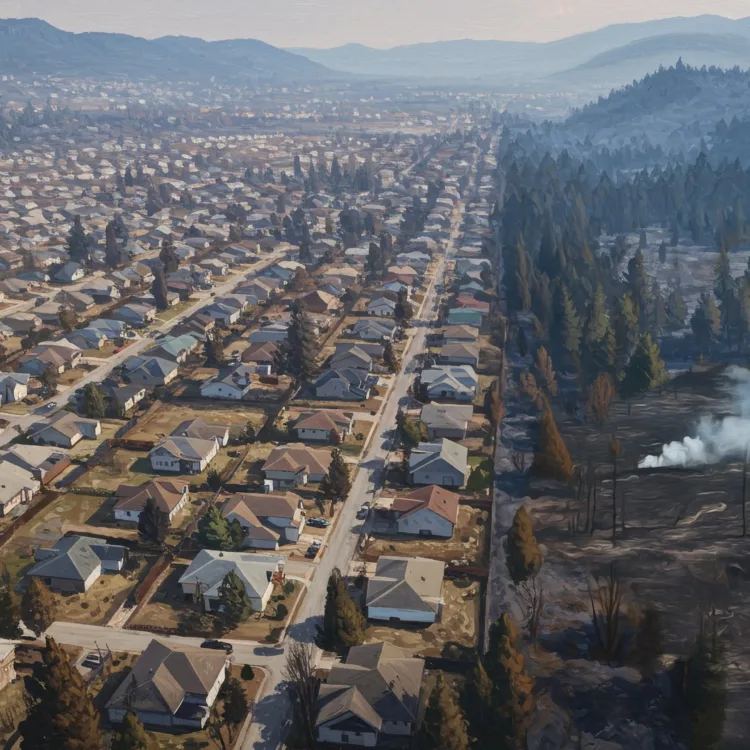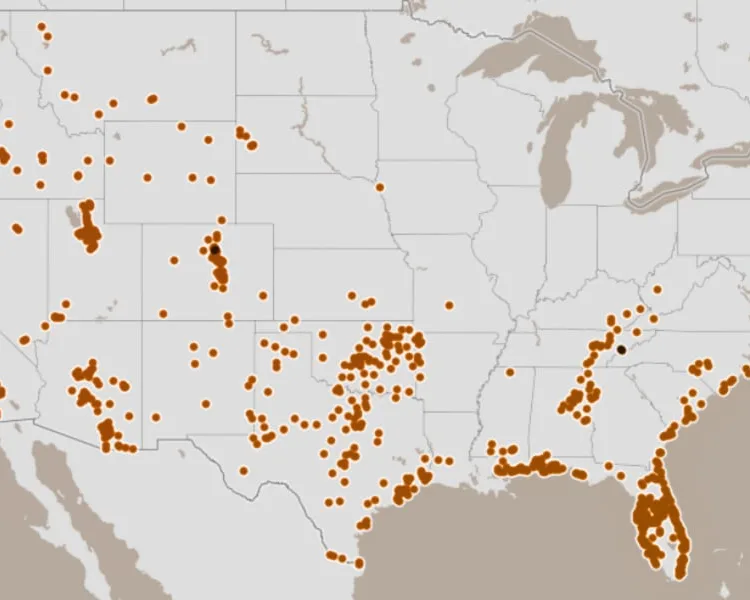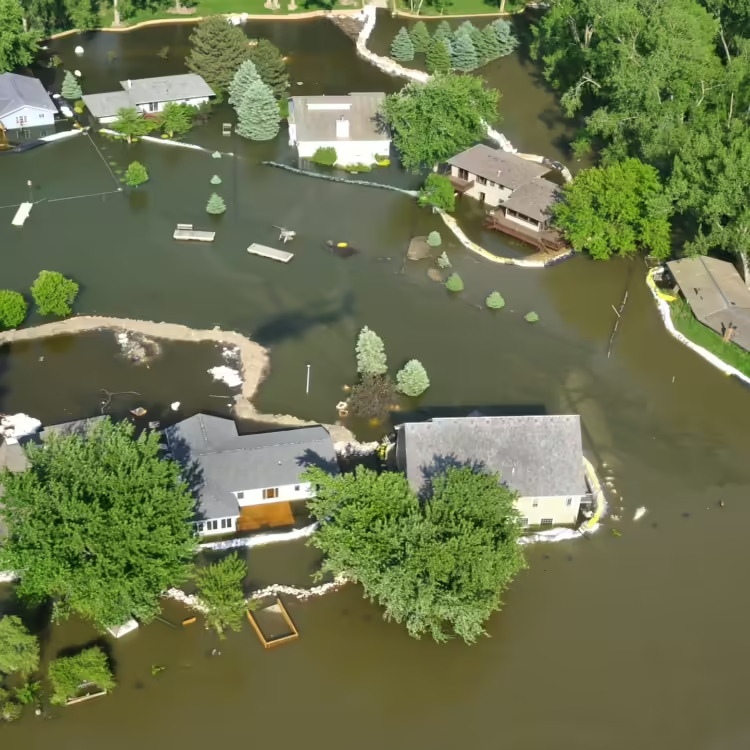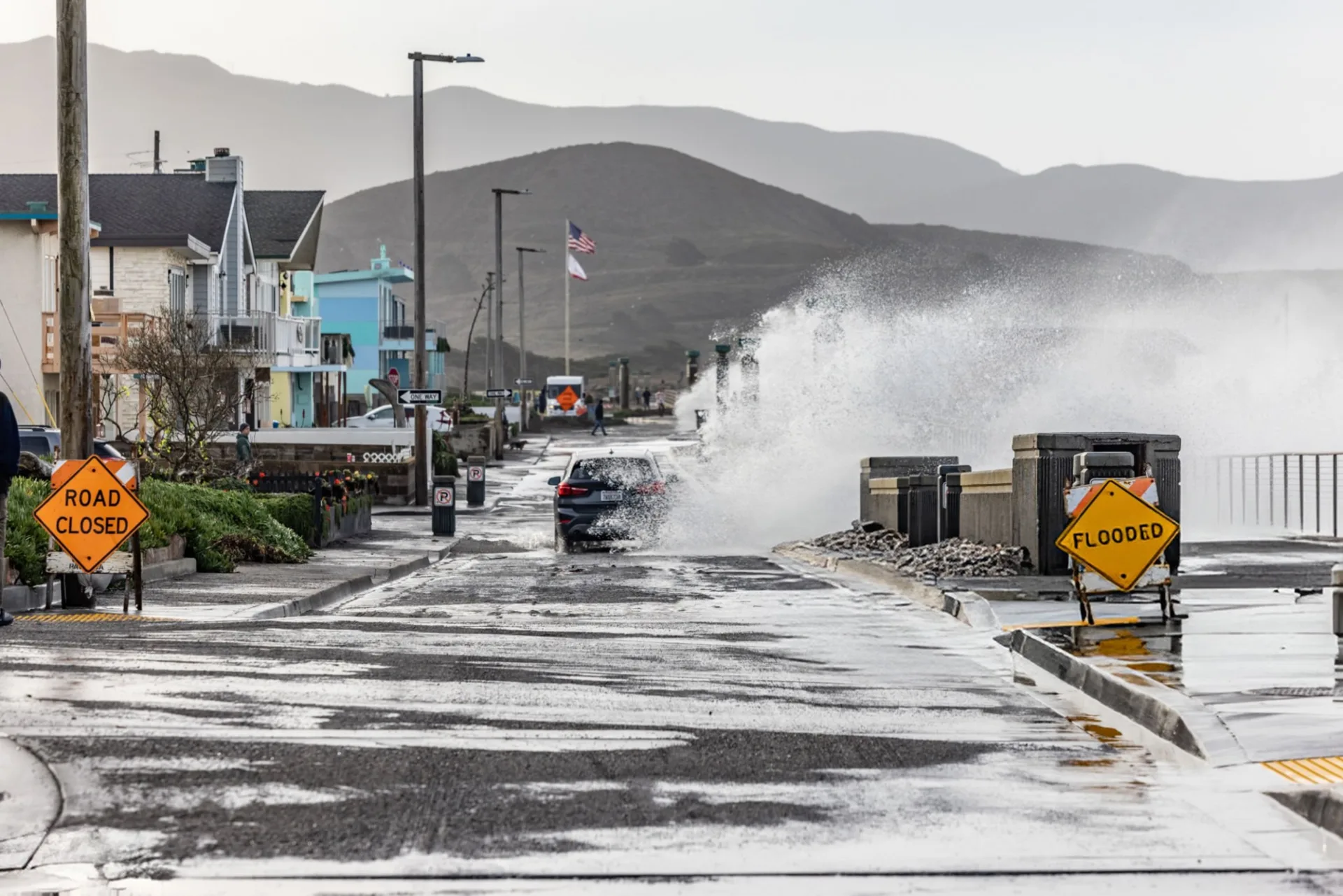
The rising cost of wildfires and flooding has pushed many communities to look for practical ways to reduce risks and better prepare homes and infrastructure. Wildfire disaster costs exceed $394 billion annually and have placed enormous burdens on residents, insurance markets, and local budgets. Flood events occur nearly every day and are estimated to cause up to $496 billion in annual damages.
Preparing in advance of wildfires and flooding is widely acknowledged as a cost-effective way to limit those losses. Wildfire preparations can include building wildfire-resistant homes, creating defensible space around structures, thinning fuels, and upgrading water systems, emergency access, and equipment. For flooding, communities can limit development in high-risk areas, update inadequate infrastructure, and adopt design principles that accommodate water flows through wetlands or other open space.
Yet projects that save money over the long run are still hard to pay for. State and federal funding is critical, but it is often project based, oversubscribed, unpredictable from year to year, and requires local match.
Local revenue can help close these gaps. Funding from sales taxes, fees, special assessments, and other mechanisms can be more flexible and predictable, and better suited to funding the ongoing operations, staffing, and administration that risk-reduction programs need to succeed over time.
Headwaters Economics has published two companion guides that can help leaders identify local funding strategies that work best for their communities: one focused on flood resilience, and one focused on wildfire resilience.
Funding mechanisms for disaster resilience

Sales taxes

Property taxes

Special assessments & districts

Fees & utility charges

Bonds & loans

Negotiated agreements

Revolving loan funds

Pooling resources

Voluntary fees
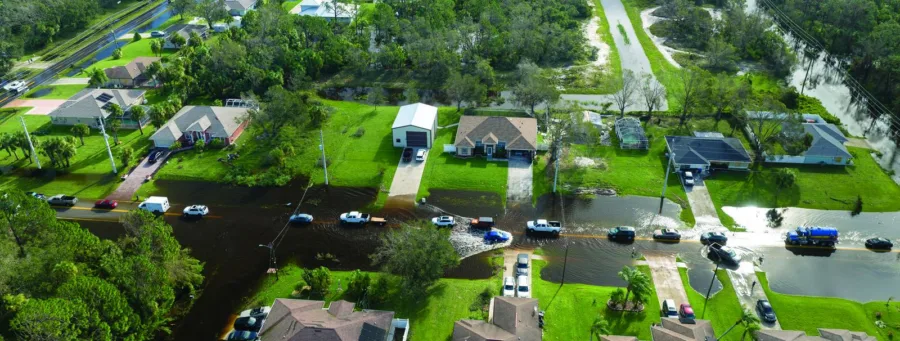
Flood Resilience
Local funding options for flood resilience
Flooding is the most common and costly disaster in the United States. Investing in flood risk reduction is essential to lowering these costs, protecting lives and infrastructure, and strengthening long-term resilience.
$
517,000
Average local match required for a BRIC hazard mitigation grant.
Communities can use combinations of local, state, and federal funding to invest in risk reduction, but the availability and timing of state and federal funding can fluctuate. By diversifying local revenue sources, communities can take a more proactive role in reducing risk instead of waiting for outside funding.

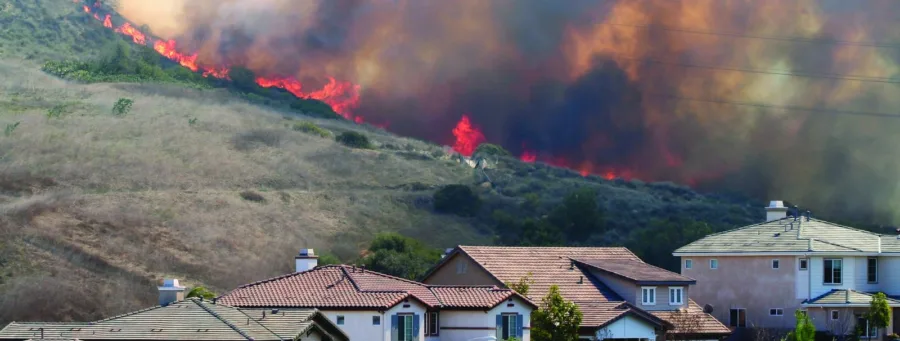
Wildfire Resilience
Local funding options for wildfire resilience
Wildfires are becoming more frequent and costly, increasing the need for practical, locally driven funding solutions. Communities have a range of tools available to invest in long-term risk reduction, and effective strategies often layer local, state, and federal sources.
$
1.8
B+
Raised by four wildfire risk-reduction ballot measures U.S. voters passed in 2025.
Voter support for wildfire risk reduction is growing: in 2025, U.S. voters passed four ballot measures with wildfire risk-reduction goals, raising more than $1.8 billion. Because the availability and timing of federal funding can fluctuate, local revenue remains essential—it is typically more flexible and predictable, and better suited to funding ongoing operations and administration.
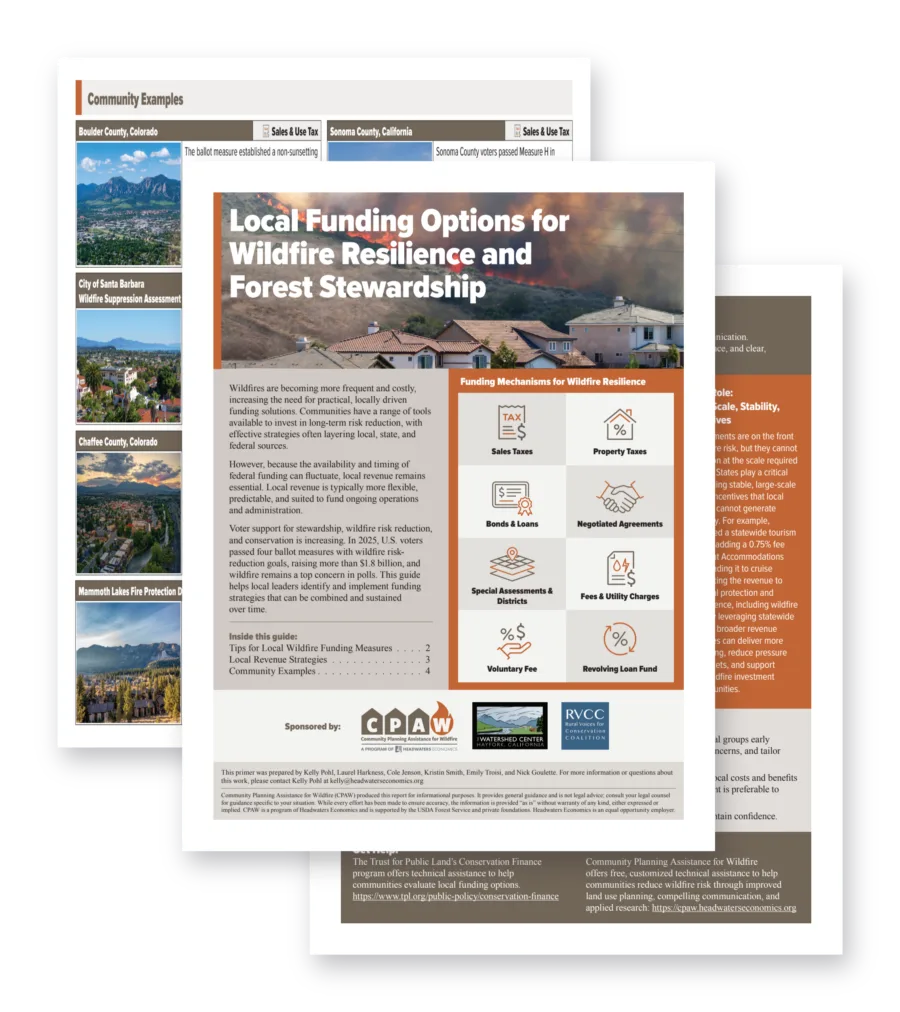
Each guide covers a range of local funding mechanisms for resilience projects, as well as hazard-specific considerations, real-world community examples, and practical tips for building support for a funding measure.
Acknowledgements
These resources were created in partnership with Rural Voices for Conservation Coalition, Fire Adapted Communities Learning Network, the Association of State Floodplain Managers, and SBP.