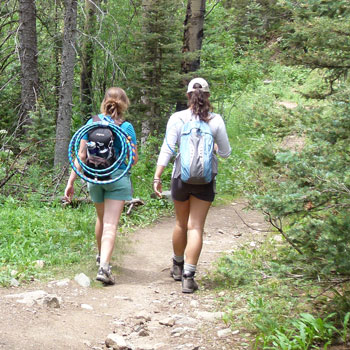
Taos Trails Are Popular But Trail Access Varies
In the Taos, New Mexico area trails are a fundamental part of health and quality of life, but differences in access to trails may limit the benefits for Hispanic and low-income residents.

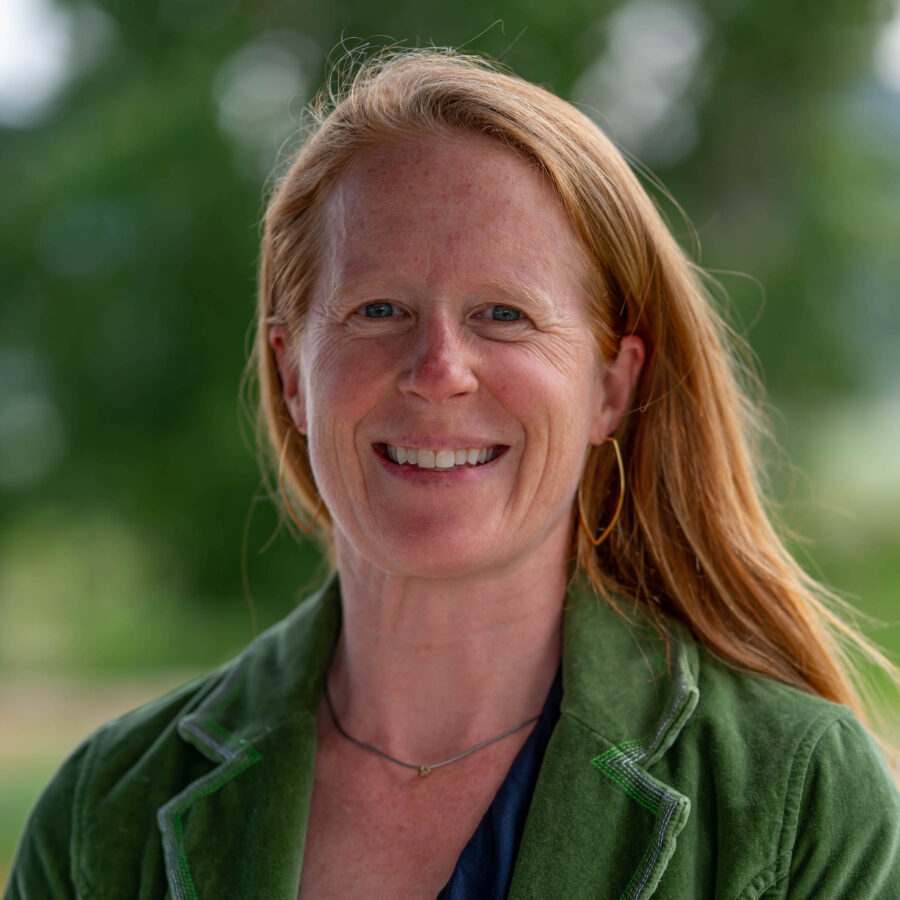
Dr. Megan Lawson uses economic and statistical analysis to better understand the issues that communities face such as the economic potential and impacts of housing and land use policies, outdoor recreation, economic diversification, and public land management.
Megan is nationally known for her expertise in measuring the economic and community impacts of outdoor recreation and the potential of recreation activities to support local jobs and income. She leads collaborative projects across the United States pioneering new methods for estimating where and when people are recreating on public lands. Her innovative approach to measuring trail use is improving the ability of land managers to meet the increasing demand for healthy, outdoor recreation opportunities.
Equal parts scientist and communicator, Megan uses data to conduct actionable research that illuminates solutions. She applies analytical skills to land use, natural resource, and public health topics, with an emphasis on the unique needs and opportunities for rural communities. In every project, Megan builds trust through good listening and observational skills and her commitment to understanding communities’ needs and priorities.
A sought-after speaker, Megan talks about her research and economic concepts with a range of audiences, frequently speaking to community leaders, collaborative groups, land management agencies, and business groups. She is regularly quoted by major media outlets and has been interviewed multiple times on public radio, including on NPR’s Marketplace and All Things Considered. She was awarded a Wilburforce Fellowship in Conservation Science in 2016. Megan elevates Headwaters Economics’ work through her exceptional objectivity, her commitment to seeing issues from all sides, and her ability to cut through noise. Her degrees in economics and biology, with an emphasis on environmental, public, and urban economics, provide the foundation for her interdisciplinary approach. Megan has contributed to many of Headwaters Economics’ foundational research projects on topics ranging from land use conversion to migration trends.
In the Taos, New Mexico area trails are a fundamental part of health and quality of life, but differences in access to trails may limit the benefits for Hispanic and low-income residents.
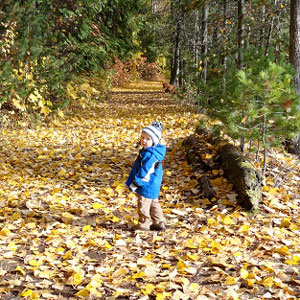
Survey provides information on Bonner County’s trail system and will help prioritize improvements based on resident usage, satisfaction, reasons for living in the area.
Headwaters Economics has updated its Trails Library to include 105 studies on trails, searchable by benefit, use, year, and region.
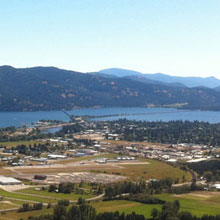
Analysis shows that Bonner County’s economy has grown steadily and been resilient, despite recessions and losing several large employers, and many local businesses are committed to the community and its high quality of life.

County migration and population trends in the West constantly change. We summarize counties into four types–high-wage services, farm-dependent, oil and natural gas boom, and retirement destinations–to show the relationship between population and economic structure.
It’s All Hallow’s Eve, so we decided to look at western counties where the dead most recently were living. But a high death rate does not mean a county is faring poorly. Like most things, it’s complicated.
Protected federal lands (such as Wilderness or National Parks) not only preserve unique landscapes, but have the potential to attract in-migrants such as baby boomers, which in turn help support a robust local economy.

Non-labor income is one of the largest and fastest growing sources of income in the West; constituting 34 percent of total personal income in 2011 and 60 percent of net growth in real personal income during the last decade.