
Montana Community Foundation leverages data to reach more rural and Tribal communities
Using resources such as the Rural Capacity Index, the Montana Community Foundation was able to direct more grant dollars to rural, disadvantaged communities.

Dr. Kristin Smith (Kris) is passionate about working on the ground with communities and conducting research to inform policy. From her doctoral research to her nonprofit experience, Kris’ work addresses the root causes of challenges faced by rural communities. Kris is known at Headwaters Economics for her skills in partnership building, her drive to understand issues deeply, and her enthusiasm for sharing knowledge.
As part of Headwaters Economics’ FloodWise Community Assistance team, Kris works with local government staff and elected officials, state and federal agency personnel, engineers, and other technical experts to help communities reduce flood risk. Community partners look to Kris for help navigating technical hurdles, connecting people, and promoting solutions that balance community goals.
Kris has also made significant research contributions on the topic of energy development. Her work on the social impacts of energy development has been quoted in publications in Colorado, Wyoming, Montana, and Texas and published in the Journal of Rural and Community Development, Energy Research & Social Science, and other peer-reviewed journals.
Kris serves as a technical contributor to the Northern Great Plains Chapter of the National Climate Assessment and is a review panelist for the USDA AFRI Rural and Economic Development program and the NOAA Regional Integrated Sciences and Assessments program. She regularly presents her work on topics related to rural opportunities and challenges, equity and funding, and the fiscal dimensions of climate adaptation and the energy transition.
Kris grew up in a small town in southeastern Missouri and is committed to conducting and translating research into practical strategies to help rural communities thrive. Her academic degrees in community development, applied economics, and geography have provided a foundation for her work on many aspects of rural development. From strengthening agriculture and food systems to leveraging revenue from energy development to creating resilience in the face of climate-driven hazards, the common thread is Kris’ steadfast commitment to helping communities build on their strengths for long-term success.
Using resources such as the Rural Capacity Index, the Montana Community Foundation was able to direct more grant dollars to rural, disadvantaged communities.
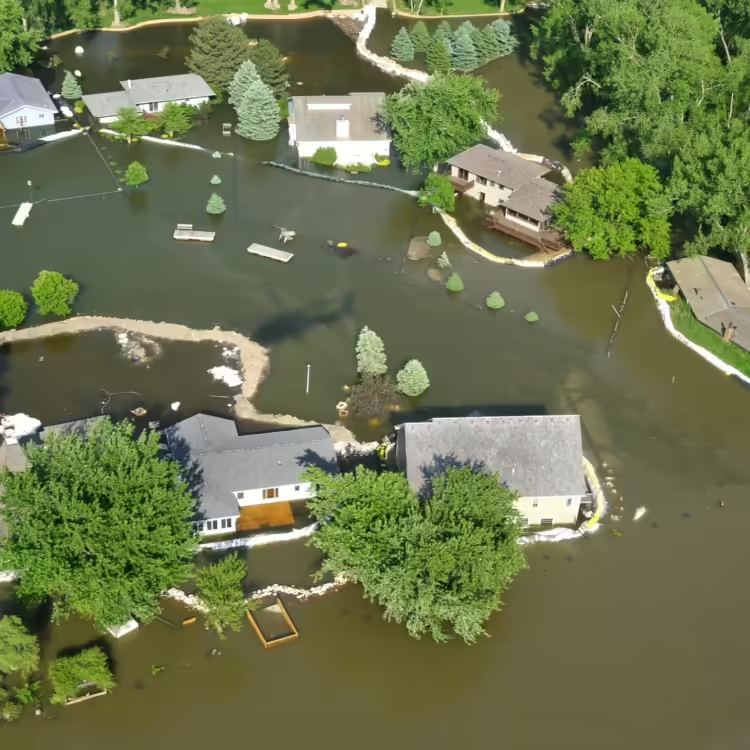
An analysis of FEMA’s BRIC program for climate adaptation and disaster resilience funding shows rising demand, but unequal access.
 +
+
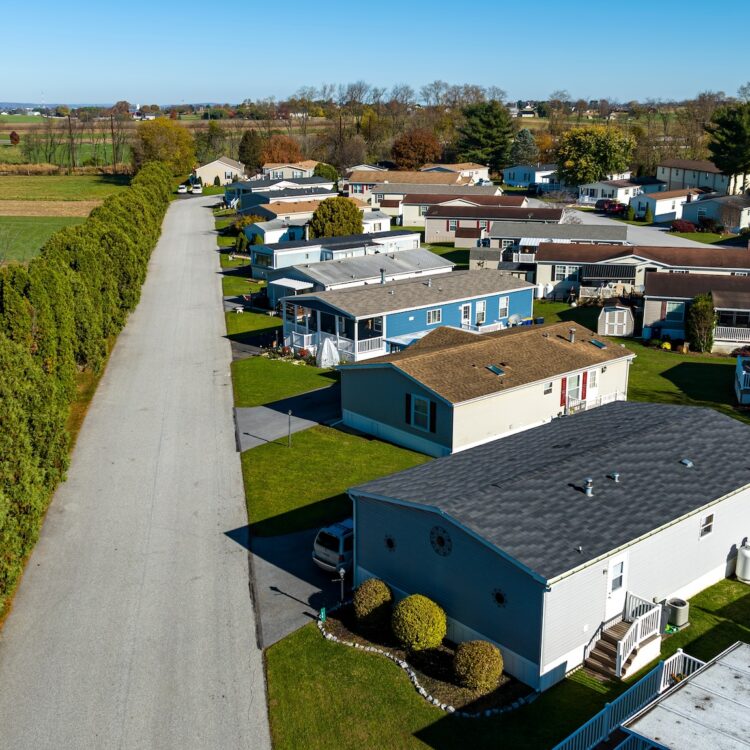
Many mobile home parks face higher flood risk and relocation may be the best option. A review of 12 mobile home park buyout projects illustrates how policy innovation and resident engagement can increase success.