

Content unavailable
The content you’ve requested is no longer available.
Please use the search to find other Headwaters Economics research or explore our latest posts and tools below.
Recent content
-

Who gets federal disaster assistance? New county-level data offer a clearer picture
The first publicly available county-level dataset of federal disaster declarations and denials offers insights for communities that may be impacted by FEMA reform.
-

Additional benefits of wildfire-resistant homes
An analysis of wildfire-resistant home upgrades shows that they can also deliver energy savings, lower maintenance costs, and a longer-lasting home.
-
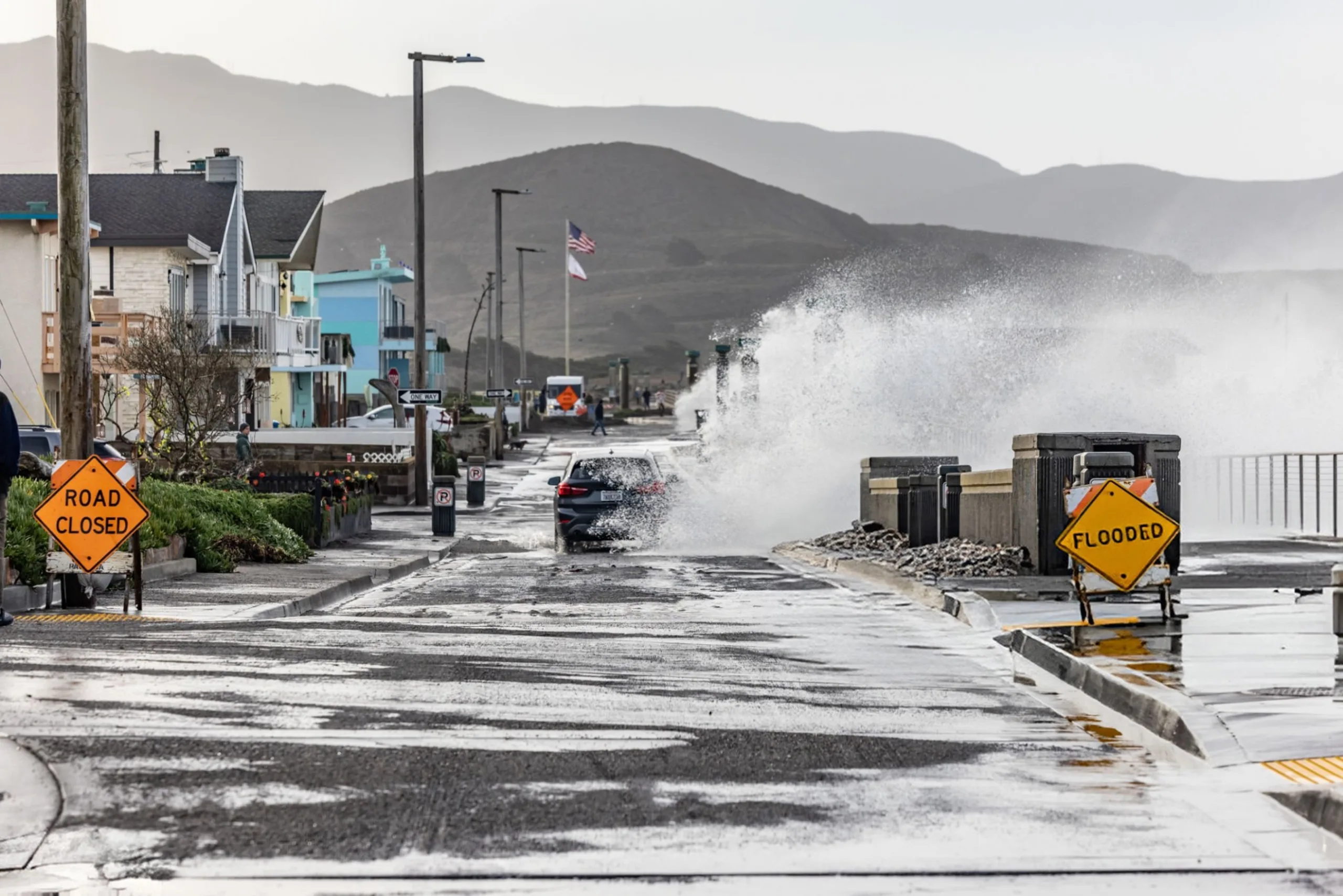
Local funding options for disaster resilience
Projects that prepare communities to resist wildfire and flooding can save money in the long run, but they can be hard to finance upfront. Headwaters Economics has created two guides to help local leaders identify sustained funding strategies for resilience projects.
-
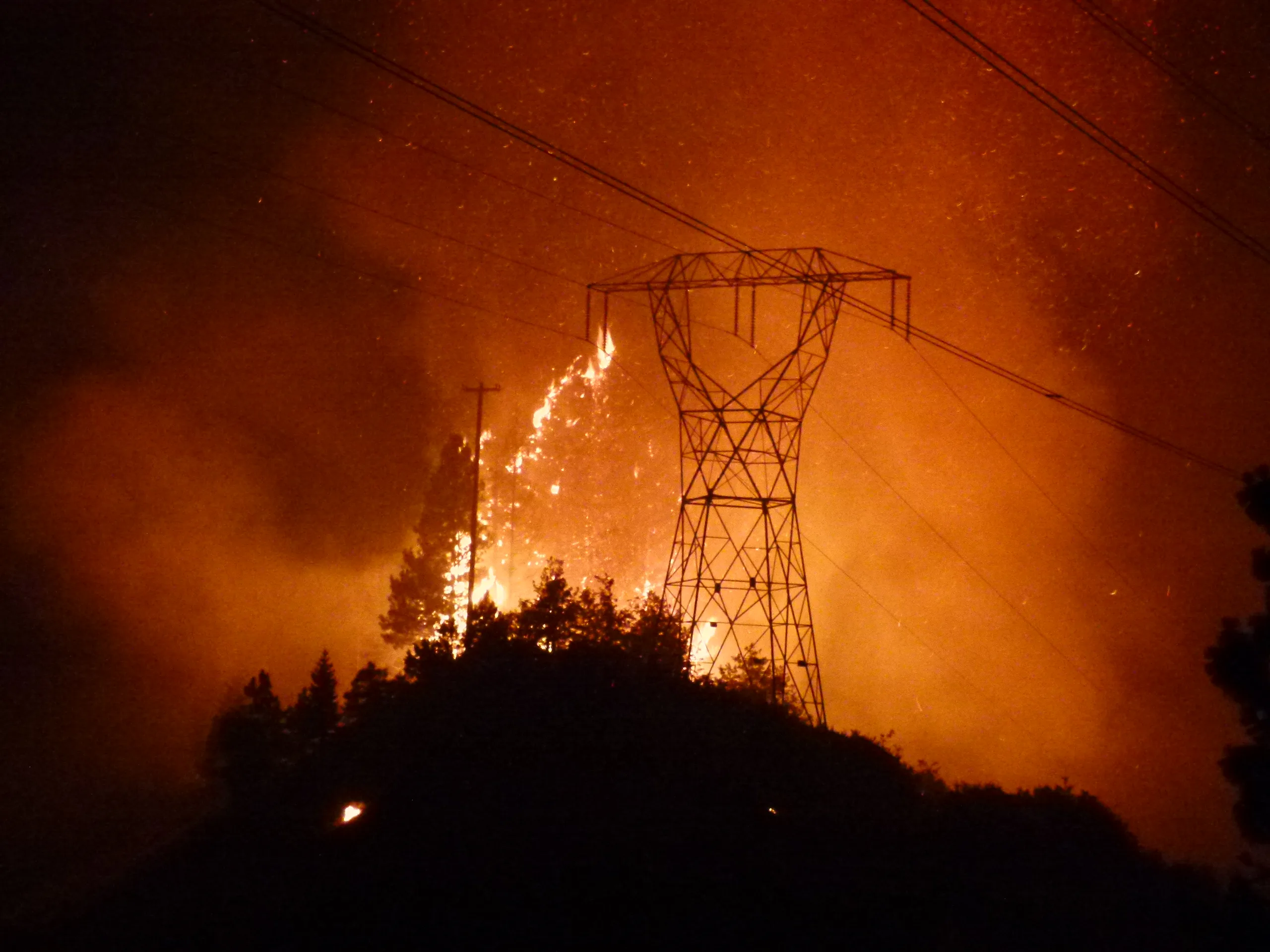
Lessons from 30 years of wildfire ignition data
Human activity sparks most U.S. wildfires. A newly updated Forest Service dataset maps exactly where, when, and how people are responsible for wildfire ignitions. The insights arm researchers, emergency planners and mitigation experts with information they need to target prevention efforts.
-

The local economic implications of Lower Snake River dam removal
A new analysis finds that the largest and fastest-growing economic sectors in Nez Perce and Asotin counties are not strongly connected to the Lower Snake River dams. Both counties can continue to grow, and may see new economic gains, if the dams are removed.
-

Tracking Western states’ diverse approaches to wildfire building codes
More states in the West are considering new building codes to protect structures and neighborhoods from wildfire. We’re tracking the progress.
-
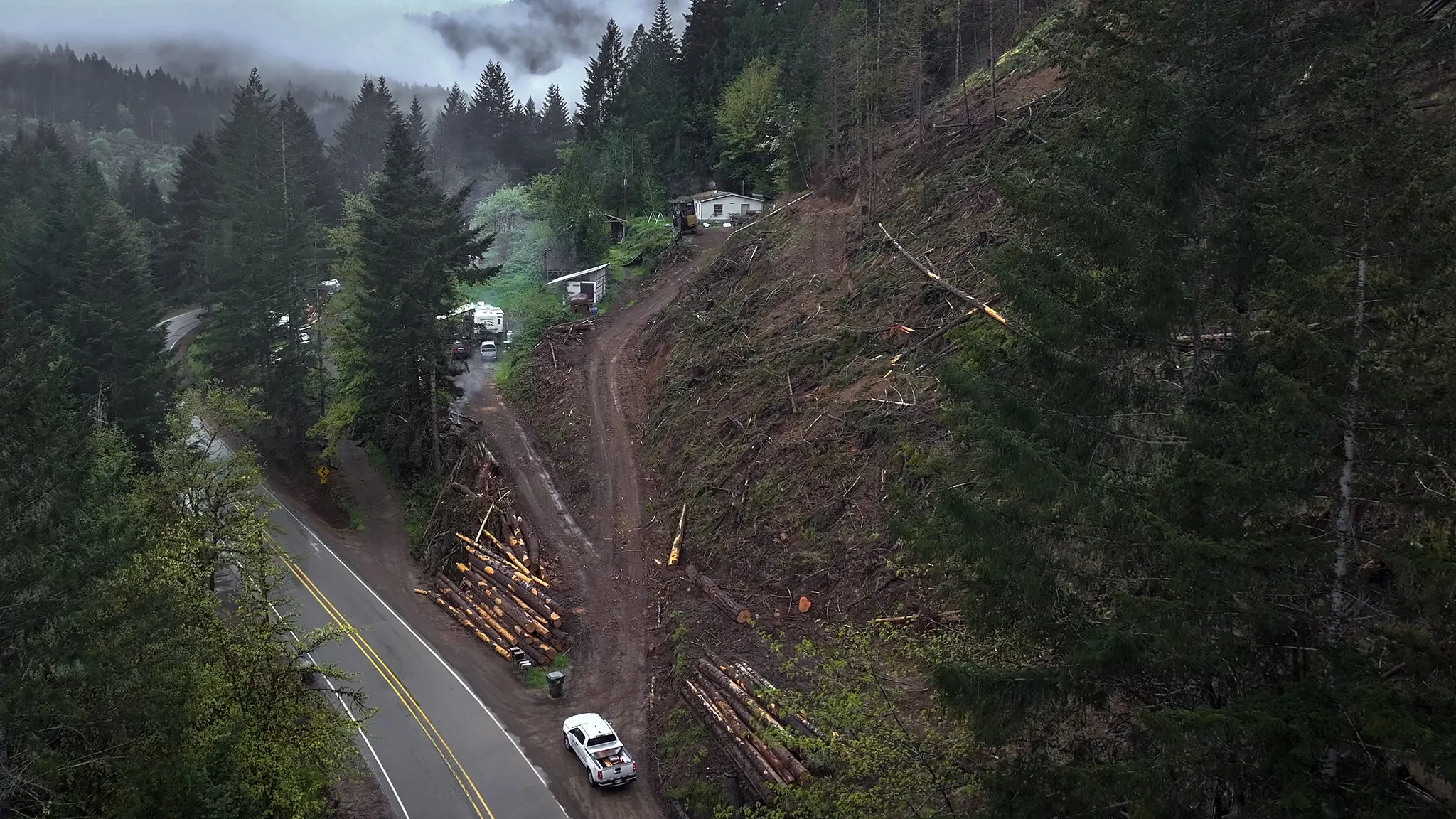
Community Wildfire Defense Grants fill a critical gap for rural communities
High demand for the CWDG program demonstrates the need for wildfire risk reduction support in high-risk, low-income communities.