-
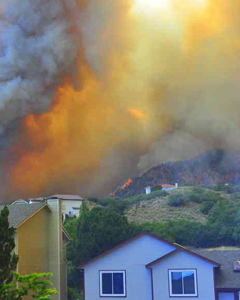
This summary highlights the major research Headwaters Economics has conducted concerning controlling fire suppression costs, state case studies, and the growth of homes in the WUI. Read more
-
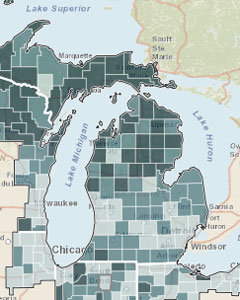
This interactive shows how the social and economic characteristics of the Great Lakes Region are impacted by regionally specific changes in climate. It was developed in partnership with the Great Lakes Adaptation Assessment for Cities at the University of Michigan. Read more
-

A sample of research and free tools available to help communities better understand the potential socioeconomic impacts of climate change. Read more
-
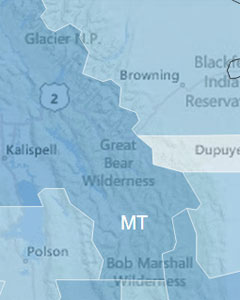
This interactive website was created to help inform conservation goals and actions with knowledge of the geography and people in this unique region. Read more
-
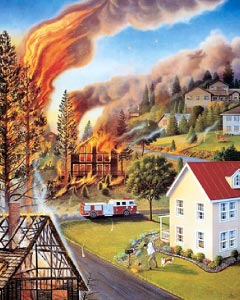
This report describes how the protection of homes in the Wildland-Urban Interface has added to wildfire costs and concludes with a discussion of solutions that may help control escalating risks and expenses. Read more
-
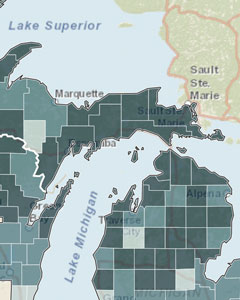
This post summarizes the Climate Adaptation Report which provides a description of key economic sectors at greatest risk from extreme weather or long-term climate shifts and is intended to prepare the region’s forests, water resources, and communities for a less certain future. Read more
-
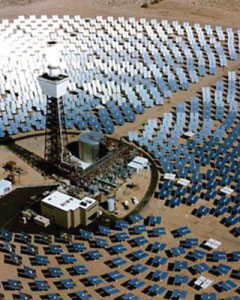
This research summary offers an overview of efforts to quantify the national green economy in terms of job creation from several perspectives. Read more
-
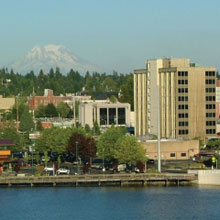
This paper presents ten examples of cities and counties around the country and the key lessons learned in the process of moving from planning to implementation on climate change adaptation. Read more
-

Headwaters Economics analyzed transmission infrastructure issues from the perspective of regional economic development, and other topics most relevant to local and state decision makers. Read more
-
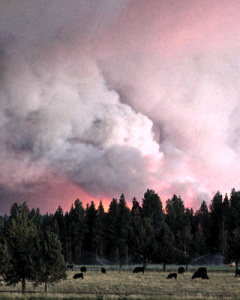
This Headwaters Economics study analyzes the impact of housing and climate on the costs of fighting forest fires in National Forests of Oregon. Read more
-
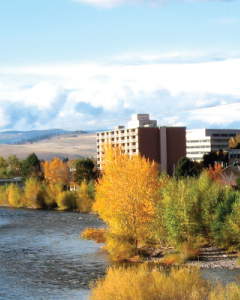
A report on socioeconomic conditions of Missoula County as part of public process of developing a climate change adaptation plan. Read more
-
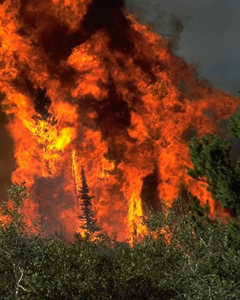
This Headwaters Economics study analyzes the impact of housing and climate on the costs of fighting forest fires in the twelve national forests of the Sierra Nevada. Read more
-
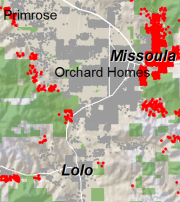
These two slideshows and related information use Missoula County and Western Montana to show how many homes have been built in flood and wildfire hazard areas, which are vulnerable to larger and more frequent floods and fires. Read more
-
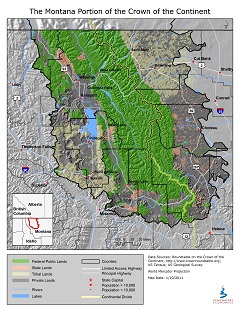
This report studies the possible effects of climate change in the Crown of the Continent on two “snow-pack” dependent sectors of the economy–downhill skiing and recreational fishing. Read more
-
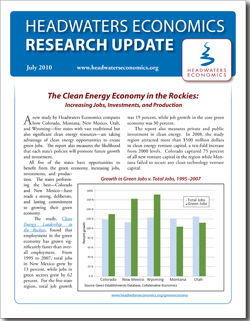
This newsletter summary highlights a study that compares how Colorado, Montana, New Mexico, Utah, and Wyoming—five states with vast traditional but also significant clean energy resources—are taking advantage of clean energy opportunities to create green jobs. Read more
-
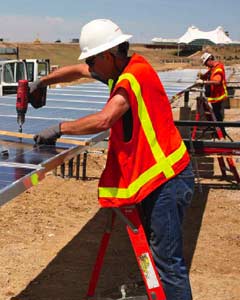
The Clean Energy report compares how Colorado, Montana, New Mexico, Utah and Wyoming are taking advantage of clean energy and energy efficiency opportunities to create green jobs. Read more
-
Study Shows Which States Are Attracting Jobs, Businesses, and Investment; Five Key Steps to Future Growth Read more
-
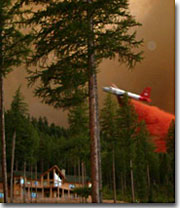
This report examines how residential development adds to the costs of fighting wildfires, using Montana as a case study. Read more
-
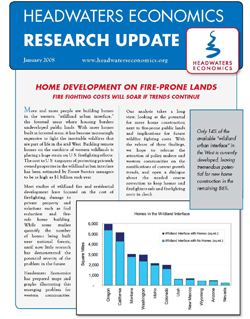
Our newsletter on how more and more people are building homes in the western “wildland urban interface,” the forested areas where housing borders undeveloped public lands. Read more
